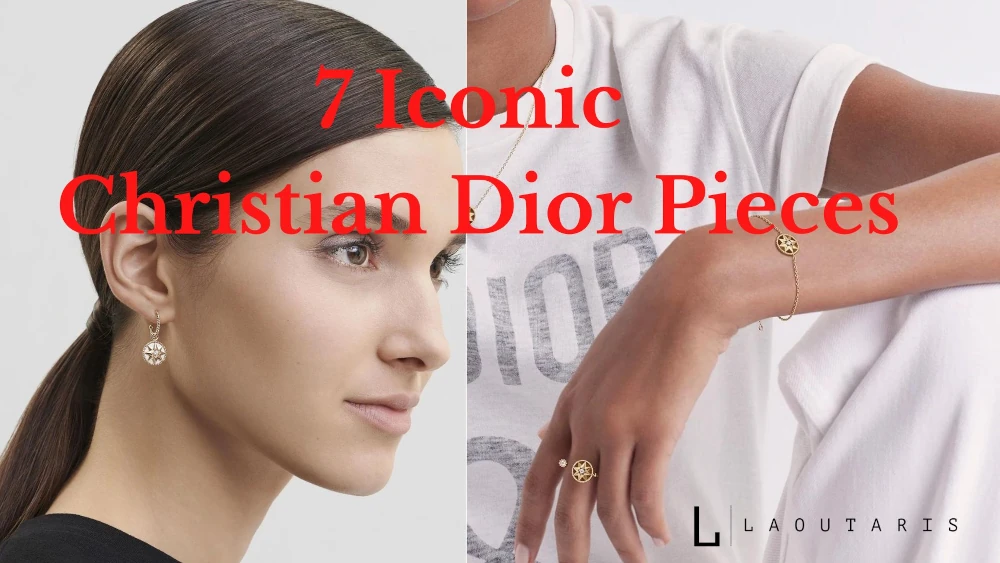
Discover the seven timeless elegance pieces of Christian Dior that redefined fashion and how to incorporate them into your wardrobe.
Table of Contents
The average reading time is 19 minutes. The article was last updated on 29/06/26.
Who is Christian Dior
Christian Dior is one of the most iconic and recognizable names in the history of fashion. Founded in 1946, the House of Dior has become synonymous with Parisian luxury, artisanal craftsmanship, and a distinctly romantic vision of elegance. Over exactly eight decades, the brand has produced some of the most photographed garments, the most coveted handbags, and some of the best-selling fragrances on the planet.
Today, Dior operates as a key subsidiary of LVMH (Louis Vuitton Moët Hennessy), with a global network of boutiques, a thriving beauty division, and a customer base spanning Paris, Seoul, and New York. But what makes Dior truly extraordinary is its ability to remain relevant — season after season, decade after decade — by combining deep reverence for its founder’s vision with a restless appetite for reinvention.
History of Christian Dior
Christian Dior, born in Granville, Normandy, France, on January 21, 1905, was the second of five children born to a wealthy fChristian Dior was born on January 21, 1905, in Granville, Normandy, France, the second of five children in a prosperous family. Art was always his first love: he worked as a gallery owner in Paris during the 1930s before moving into fashion, assisting Robert Piguet and then joining the house of Lucien Lelong during World War II.
When the war ended, Dior launched his own salon at 30 Avenue Montaigne and made history almost immediately. On February 12, 1947, he presented his debut Spring–Summer collection, staging 90 looks on just six models. Carmel Snow, editor-in-chief of Harper’s Bazaar, was so struck by what she saw that she exclaimed, “It’s such a new look!” — and the name entered fashion history.
“Fabric is the sole vehicle of our dreams. Fashion, in sum, comes from a dream, and dreaming is an escape.” — Christian Dior
The New Look introduced a cinched waist, padded hips, and a sweeping full skirt that stood in stark contrast to the boxy wartime silhouette. Joyful, extravagant, and unapologetically feminine, it revived the French fashion industry almost single-handedly. Dior continued designing until his sudden death in 1957, leaving behind a legacy his successors would spend decades interpreting, challenging, and expanding.
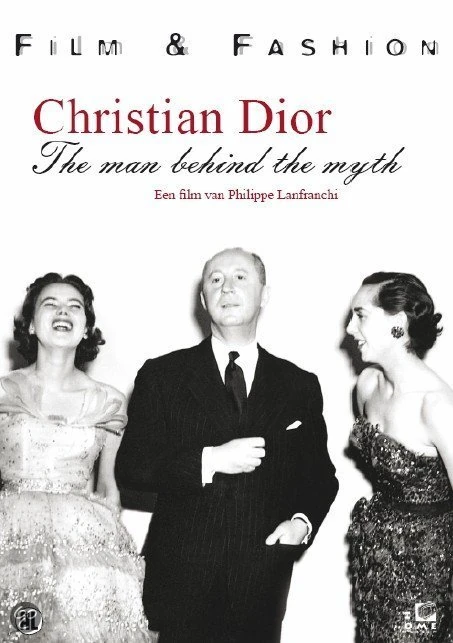
You can check out the documentaries Christian Dior: The Man Behind the Myth and Christian Dior: The Designer of Dreams.
Find more details at imdb.com
The “New Look” success established Dior as a leading designer in the fashion industry. It set the House of Dior as one of the most prominent fashion houses in the world. Dior continued to design for the House of Dior until his untimely death in 1957.
Read more on his life and career at wikipedia.org
The Designers Who Shaped Dior
One of Dior’s greatest strengths has been its succession of visionary creative directors, each of whom brought a radically different perspective while honoring the house’s couture DNA.
Yves Saint Laurent stepped in after Dior’s death at just 21. His 1958 “Trapèze” line — a loose, A-line silhouette that liberated the waist — pointed toward the mod revolution ahead. Though his tenure was brief, his influence has never faded; Maria Grazia Chiuri later drew directly on the Trapèze as inspiration.
Marc Bohan brought quiet refinement and remarkable longevity: 28 years, from 1961 to 1989. His “Slim Look” and elegant ready-to-wear collections widened Dior’s audience without compromising its couture pedigree.
Gianfranco Ferré introduced an architectural Italian precision throughout the late 1980s and early 1990s, adding sharp geometry to the house’s romantic vocabulary.
John Galliano arrived in 1996 and transformed Dior into one of fashion’s grandest theatrical spectacles. His shows were legendary — part circus, part opera, part haute couture — and his creative innovations included the iconic Saddle Bag and some of the most audacious runway sets the industry had ever seen. His tenure ended in 2011 after a serious public scandal, but his imprint on Dior’s mythology is permanent.
Raf Simons brought intellectual austerity and minimalist precision from 2012 to 2015. His first collection — created in just eight weeks — remains widely cited as one of the finest haute couture shows of the 21st century and is still studied in fashion schools around the world.
Maria Grazia Chiuri: A Feminist Decade
When Maria Grazia Chiuri was appointed in 2016, she made history as the first woman ever to lead the creative direction of Dior’s women’s collections in the house’s nearly 70-year history. Her nine-year tenure reshaped Dior in ways that reached far beyond the runway.
Her debut show opened with models in plain white T-shirts printed with Chimamanda Ngozi Adichie’s phrase “We Should All Be Feminists.” It was a provocation, a statement of intent, and an instant phenomenon. The shirts sold out globally; the conversation they sparked lingered for years.
Across nine seasons, Chiuri embedded feminist thinking into every aspect of her work. Her Cruise collections became a form of global cultural anthropology: she traveled to Mexico City to celebrate Frida Kahlo and the women artisans of Oaxaca and Chiapas; to Seville for the women of Andalusia; to Athens to invoke ancient Greek goddesses; to Rome for a final, celebratory homecoming at the Villa Albani Torlonia. She partnered with the Chanakya School of Craft in Mumbai, where over a thousand women benefited from programs that elevated traditional Indian embroidery into haute couture. She collaborated with artists Judy Chicago, Eva Jospin, and Faith Ringgold to ensure women’s artistic voices reached the runway.
The commercial results were striking: Dior’s revenue grew from approximately €2.2 billion in 2017 to nearly €9.5 billion in 2023, proof that purpose-driven design makes powerful business sense. Among her most enduring commercial contributions is the Dior Book Tote, which became one of the most successful new accessories of the past decade.
Her tenure was not without debate. Critics occasionally questioned whether the feminist messaging overshadowed the clothes themselves, and her more directional collections drew mixed responses. But her consistency of vision and her impact on the house’s identity were undeniable. She departed Dior in May 2025 with a standing ovation — and subsequently returned to Fendi as its Chief Creative Officer.
Jonathan Anderson: The New Creative Vision
In 2025, Dior made its most significant creative appointment in decades. Jonathan Anderson — the Northern Irish designer who had spent over a decade transforming Loewe from an obscure Spanish heritage house into one of fashion’s most intellectually distinctive brands — was named sole creative director of Dior’s women’s, men’s, and haute couture collections.
Anderson is the first designer to hold this unified role since Christian Dior himself, overseeing an estimated 18 collections annually. He retained creative control of his own JW Anderson label.
The men’s debut (June 27, 2025) arrived at the Hôtel des Invalides in Paris, staged in a restrained gallery-like space with just two small still-life paintings by 18th-century painter Jean-Baptiste-Siméon Chardin. The collection drew on three key references — Jean-Michel Basquiat, Lee Radziwill, Andy Warhol — to explore the productive collision of underground energy and high society. Tailoring was exquisite and precise; volumes swung between oversized coats and sculpted jackets; dense Victorian twills were shot through with acid hues. It was widely praised as a masterclass in merging Anderson’s craft-driven intuition with Dior’s formal codes.
The women’s debut (Autumn 2025, Spring–Summer 2026) was immediately the season’s most polarizing event. The fashion press broadly celebrated Anderson’s intellectual ambition and deep engagement with the house’s archive, finding references that stretched from Christian Dior’s own work through Galliano and Saint Laurent. Online reactions divided sharply — as they often do when a beloved institution changes hands. The show reinforced that Anderson has genuine creative ambition for Dior, not simply a preservation instinct.
The first haute couture show (January 26, 2026) drew overwhelmingly positive critical reception. Staged in partnership with the Musée Rodin — where a selection of garments were installed for public view alongside archive looks — the collection drew on the organic forms of ceramicist Magdalene Odundo, using pleated tulle, feathers worked into enamel and reptilian-scale effects, and hand-embroidered antique textiles. Anderson described his philosophy plainly: “When you copy nature, you always learn something. Nature offers no fixed conclusions, only systems in motion — evolving, adapting, enduring. Haute couture belongs to this same logic. It is a laboratory of ideas.” Reviews called it a re-energisation of the house.
The A/W 2026 womenswear show (March 3, 2026), staged in the Tuileries Gardens around a lily-pad pond, cemented Anderson’s growing confidence. Conceived from start to finish in under a month, it suggested a designer increasingly free of his predecessor’s shadow: “Dior has this giant past, and I had to start there,” he said. “Now I feel free to release it from that.”
Anderson’s craft-first approach has deep roots. During his decade at Loewe, he inaugurated the Loewe Craft Prize to support global artisans — a philosophy that translates naturally to a house whose ateliers represent some of the most skilled handwork in the world.
Some of the brand’s iconic designs and collections
Christian Dior, the eponymous brand, has produced many iconic designs and collections throughout history. Some of the most notable include:
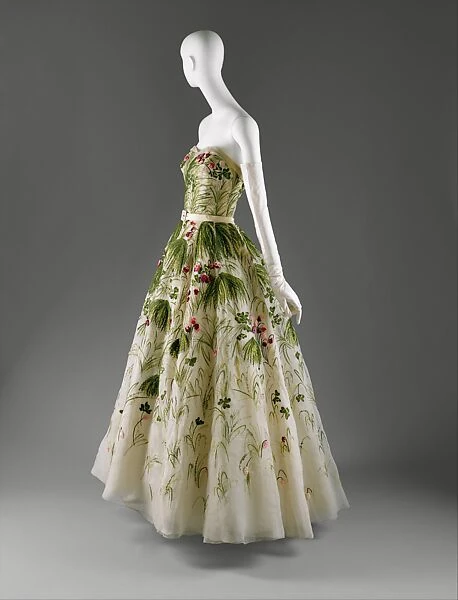
The New Look (1947)
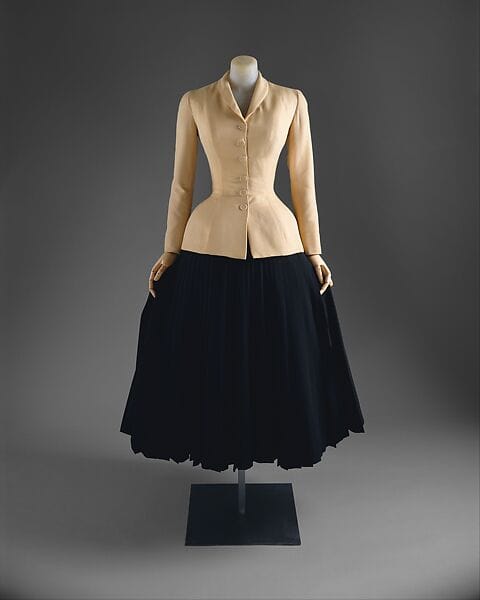
The collection that started it all. Christian Dior’s debut introduced a new ideal: a sharply cinched waist, softly padded hips, and a sweeping full skirt falling well below the knee. Accompanied by white gloves, a structured hat, and heels, the New Look was a sensory provocation in a world still emerging from wartime scarcity. It scandalized some, thrilled many, and revived an entire national industry within weeks of its debut.
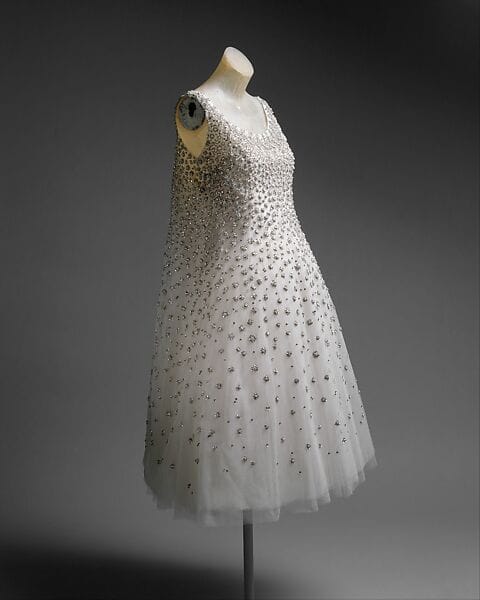
Check out all the “House of Dior” collections at the Metropolitan Museum of Art.
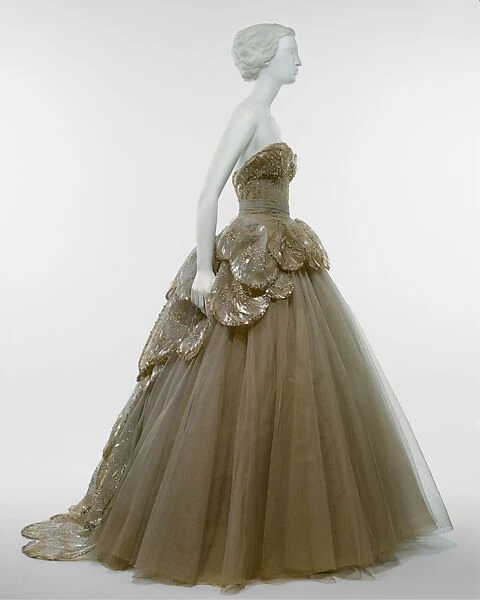
The Bar Suit (1947)
Among Dior’s most enduring single designs, the Bar Suit emerged from that same debut collection. Its ivory shantung silk jacket — nipped at the waist, padded at the hip — worn over a pleated black wool skirt became the definitive emblem of the New Look silhouette. Today the Bar Suit remains a living reference point, reappearing in updated interpretations across successive creative directors’ work, including Anderson’s first couture show.
The A-Line Dress (1955)
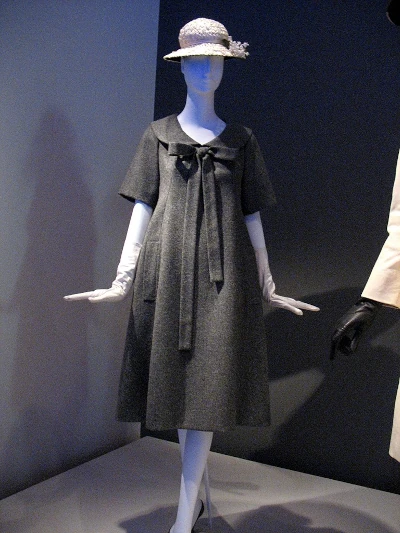
Introduced in Dior’s Spring 1955 collection, the A-line offered a less extreme but equally graceful silhouette: a fitted bodice flaring gently to a wider hem. Audrey Hepburn’s embrace of the cut cemented it as a permanent fixture of the modern wardrobe. The A-line remains one of the most widely reproduced dress shapes in fashion today.
The Trapèze Line (1958)
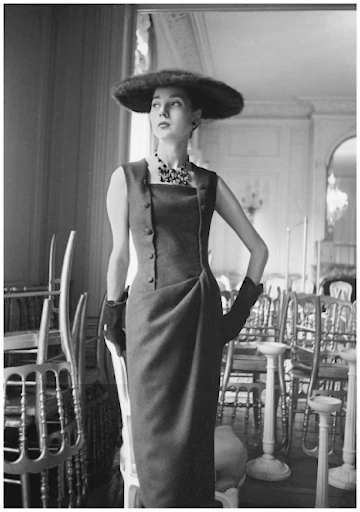
Designed by the 21-year-old Yves Saint Laurent for Dior’s Spring 1958 collection, the Trapèze introduced a liberated silhouette that shifted weight away from the waist entirely. Radical for its moment, it pointed toward the coming mod revolution. Maria Grazia Chiuri later drew directly on this line for her Spring–Summer 2025 haute couture work, underscoring how the house treats its own archive as living material.
The Saddle Bag (1999)
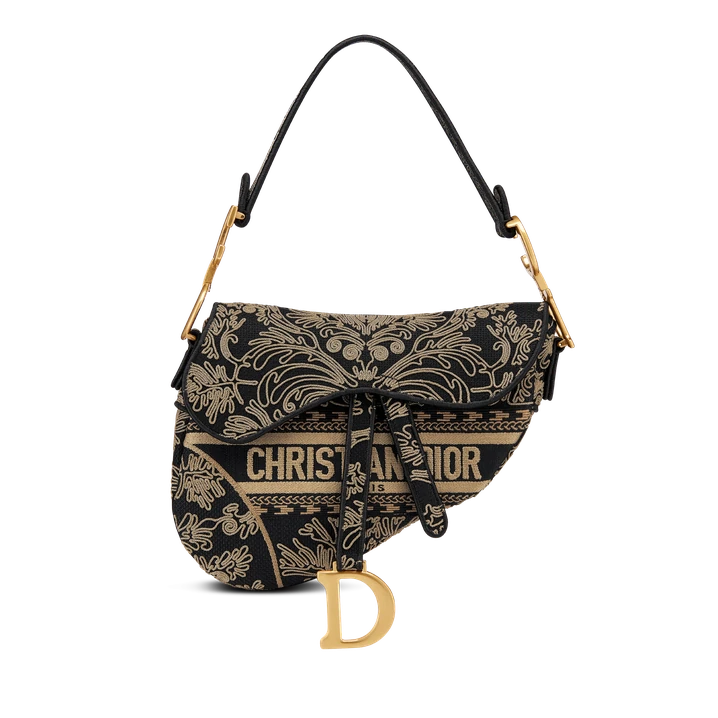
John Galliano’s most commercially durable contribution to the house, the Saddle Bag debuted in 1999 with a distinctive curved asymmetrical shape and a prominent “D” metal fastening. It dominated the early 2000s, disappeared from fashion’s consciousness, and then — thanks to Chiuri’s 2018 reissue — roared back as one of the most successful vintage revivals in recent memory. Under Anderson, it has been reimagined with charms, four-leaf clovers, and floral appliqués for 2026.
Check the reinvented Dior Saddle bags at dior.com
The Bags That Became Cultural Icons
No conversation about Dior’s enduring power can skip its handbags. The house has produced a succession of bags that function as cultural barometers as much as fashion accessories — each one tied to a specific moment, a designer’s vision, or a cultural shift.
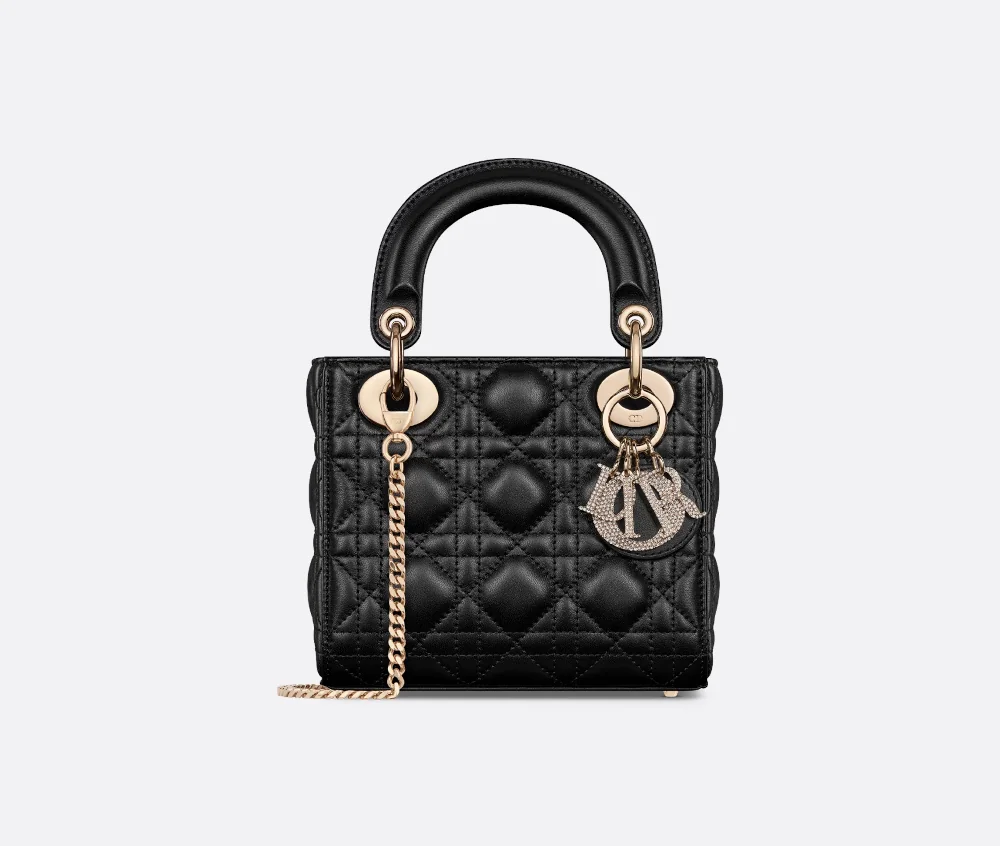
The Lady Dior (1994)
Created in 1994 and famously gifted to Princess Diana by Bernadette Chirac during a visit to Paris, the Lady Dior became one of the world’s most recognizable luxury bags almost overnight. Its distinctive cannage quilting, four charms spelling D-I-O-R, and structured elegance made it a symbol of understated power. Diana carried it so frequently that she requested it be named in her honor. Under Anderson, the bag has been given new life with appliqués, four-leaf clovers, and petal-shaped charms for the Spring–Summer 2026 collection.
The Dior Book Tote (2018)
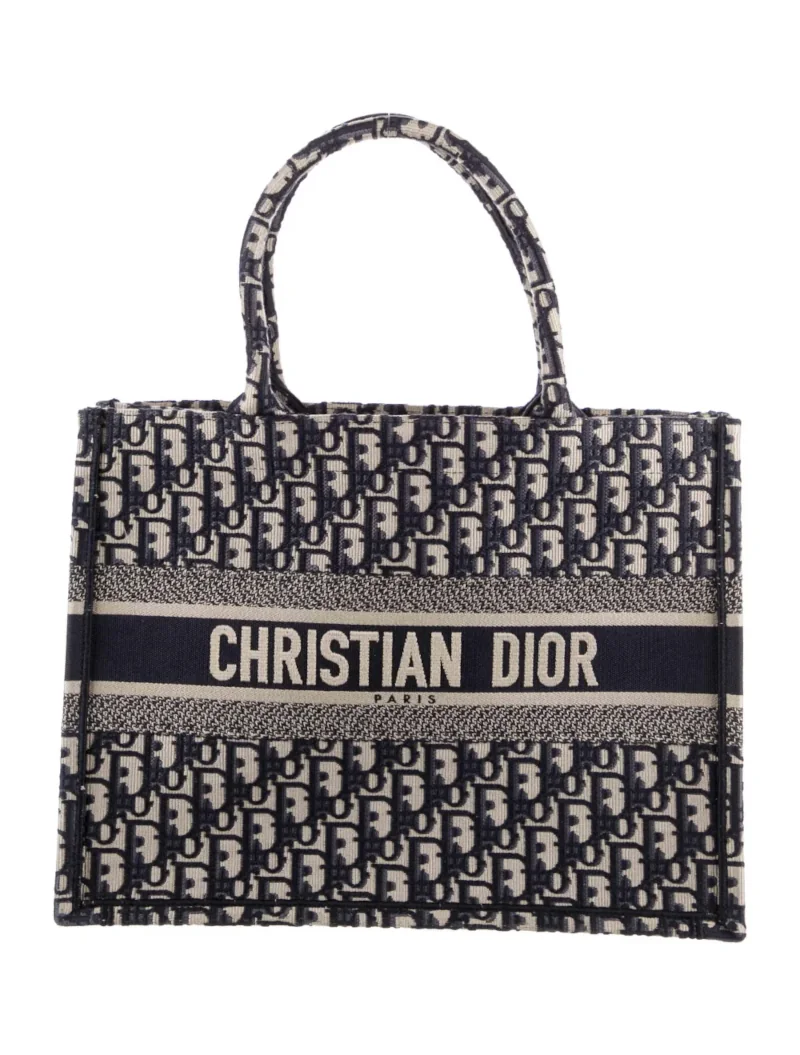
Introduced by Maria Grazia Chiuri, the Book Tote became an instant phenomenon. Generous in size, infinitely customizable in embroidery and colorway, and worn by everyone from Taylor Swift to Bella Hadid to Jennifer Lawrence, it made luxury feel genuinely useful. Its commercial success was extraordinary. Under Anderson, the tote has taken on a literary twist: covers from classic novels — Dracula, Madame Bovary, Les Liaisons Dangereuses, Christian Dior’s own autobiography — are now embroidered onto canvas in pastel and cream tones. Several versions, including the vivid yellow Dracula edition, sold out within days of hitting boutiques in January 2026.
The D-Journey (2024)
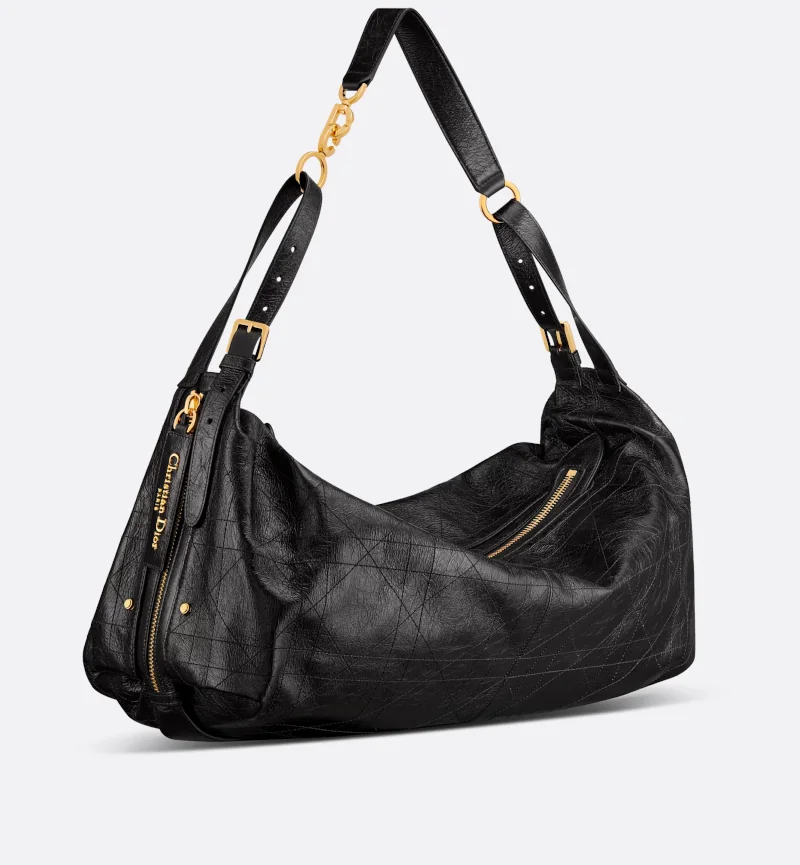
Dior’s newest bag to achieve genuine cultural resonance, the D-Journey, debuted in 2024 with a soft, crescent-shaped silhouette and quickly attracted a devoted following — spotted on Rihanna, Anya Taylor-Joy, and Taylor Swift. It has established itself as a modern classic in record time.
The Bow Bag (2026)
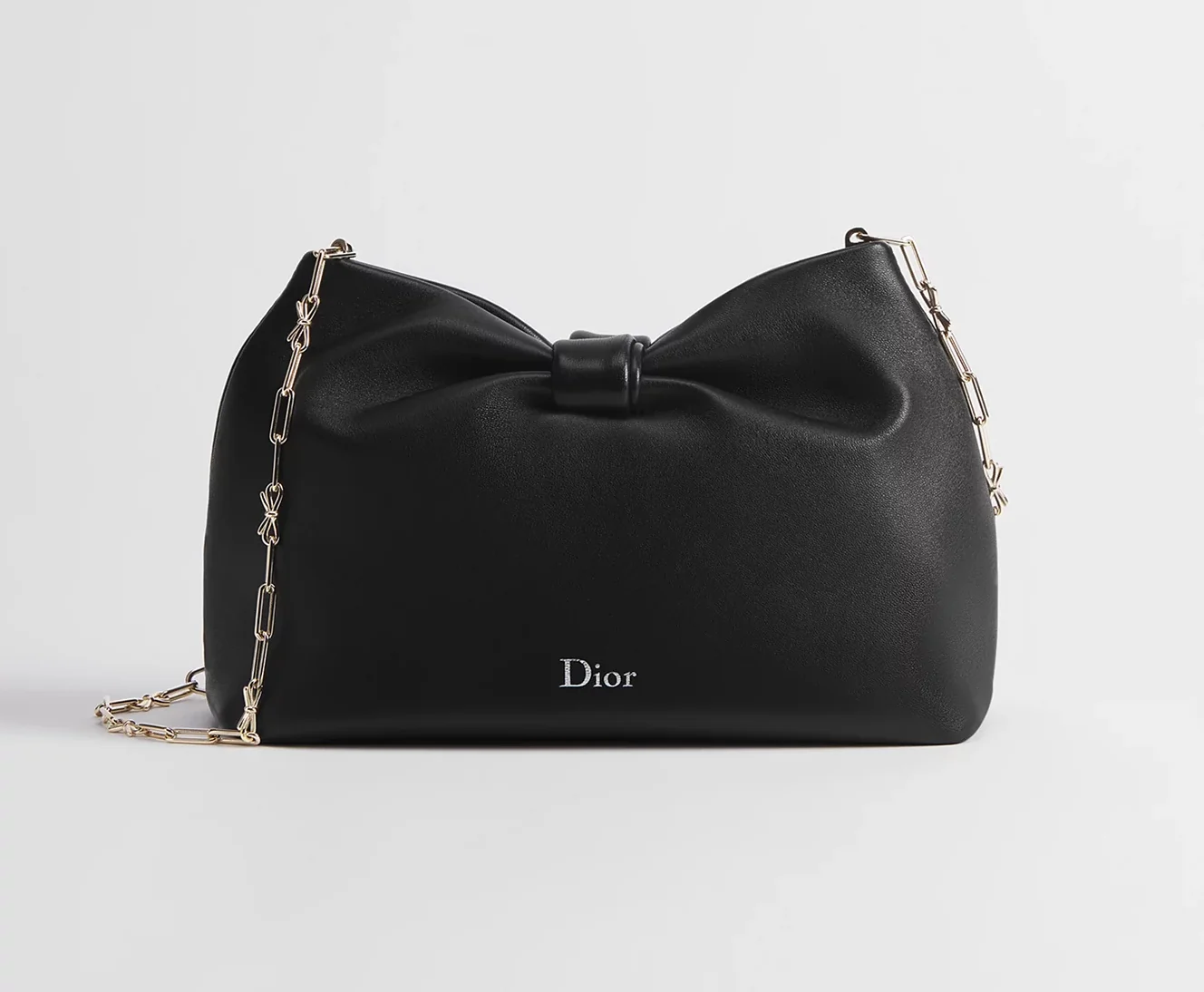
Anderson’s first entirely original bag design for the house, the Bow Bag debuted with his Spring–Summer 2026 women’s collection. Structured yet playful, with oversized bow hardware as its signature, it has already been dubbed the season’s most anticipated new accessory — part coquette aesthetic, part couture wit.
Christian Dior in the present day
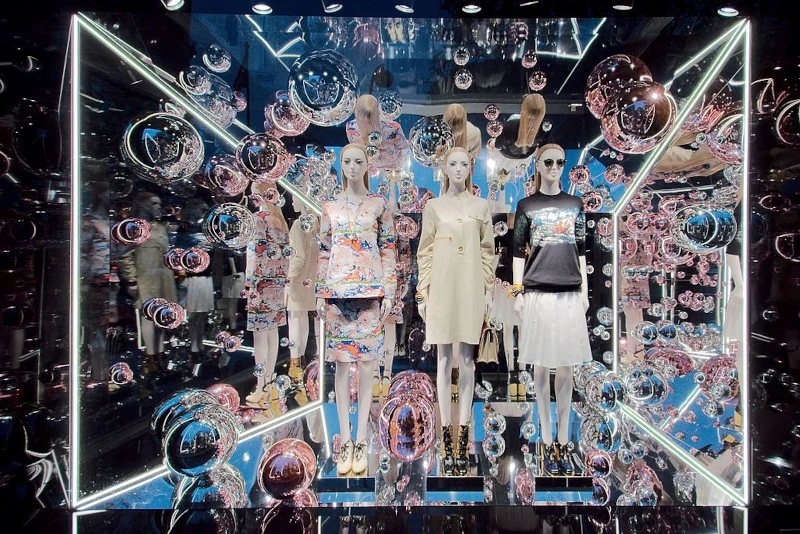
Today, Christian Dior is still a significant player in the fashion world. The brand continues to produce couture collections and ready-to-wear clothing, accessories, and fragrances. In addition, Christian Dior has also expanded into other areas, such as eyewear and home decor. The fashion house is currently under the creative direction of Maria Grazia Chiuri, who has been at the helm since 2016. Kim Jones was appointed the house’s artistic director for men in March 2018.
How to Incorporate Christian Dior into Your Wardrobe
Dior’s enduring genius is that it offers entry points at every level — from the iconic fragrance that sits on millions of shelves worldwide to a bespoke haute couture gown requiring hundreds of hours of atelier work.
Start with a signature accessory. The Lady Dior, Saddle Bag, Book Tote, D-Journey, or the new Bow Bag are all excellent starting points. Dior bags are made to last generations and hold their value exceptionally well on the resale market. The pre-owned market for Dior bags is robust, well-documented, and an excellent option if new-season pieces are out of reach.
Lean into Anderson’s aesthetic. If you want to dress in the spirit of where Dior is heading now, think tailoring with unexpected volume contrasts — a precisely cut jacket worn with deliberately wide-leg trousers — or literary, craft-driven accessories that reference art and culture. Anderson’s vision rewards mixing the precise with the playful.
Invest in a timeless silhouette. A Bar jacket, an A-line dress, or a structured Dior blazer are not seasonal items — they are wardrobe anchors that transcend trends. The house’s classic palette of black, ivory, and navy ages exceptionally well.
Explore Dior beauty. Miss Dior, J’adore, and Sauvage rank among the world’s best-selling fragrances. The Dior make-up and skincare ranges consistently sit at the top of their category. This is one of the most accessible and giftable points of entry into the Dior world.
Draw inspiration from the archive. Even without owning a Dior piece, the house’s design principles — the cinched waist, the full skirt, the uncompromising attention to material and structure — can inform a broader approach to dressing. The lesson of the New Look, that getting dressed is an act of intention and optimism, remains as radical as ever.
Visit the exhibitions. Dior stages major retrospectives at institutions including the Musée des Arts Décoratifs in Paris, the Victoria and Albert Museum in London, and the Brooklyn Museum in New York. The Dior: Designer of Dreams exhibition has been one of the most visited fashion exhibitions in history. Anderson has also positioned his couture work as publicly accessible — his January 2026 debut included an installation at the Musée Rodin for the general public, free to visit alongside the archive.
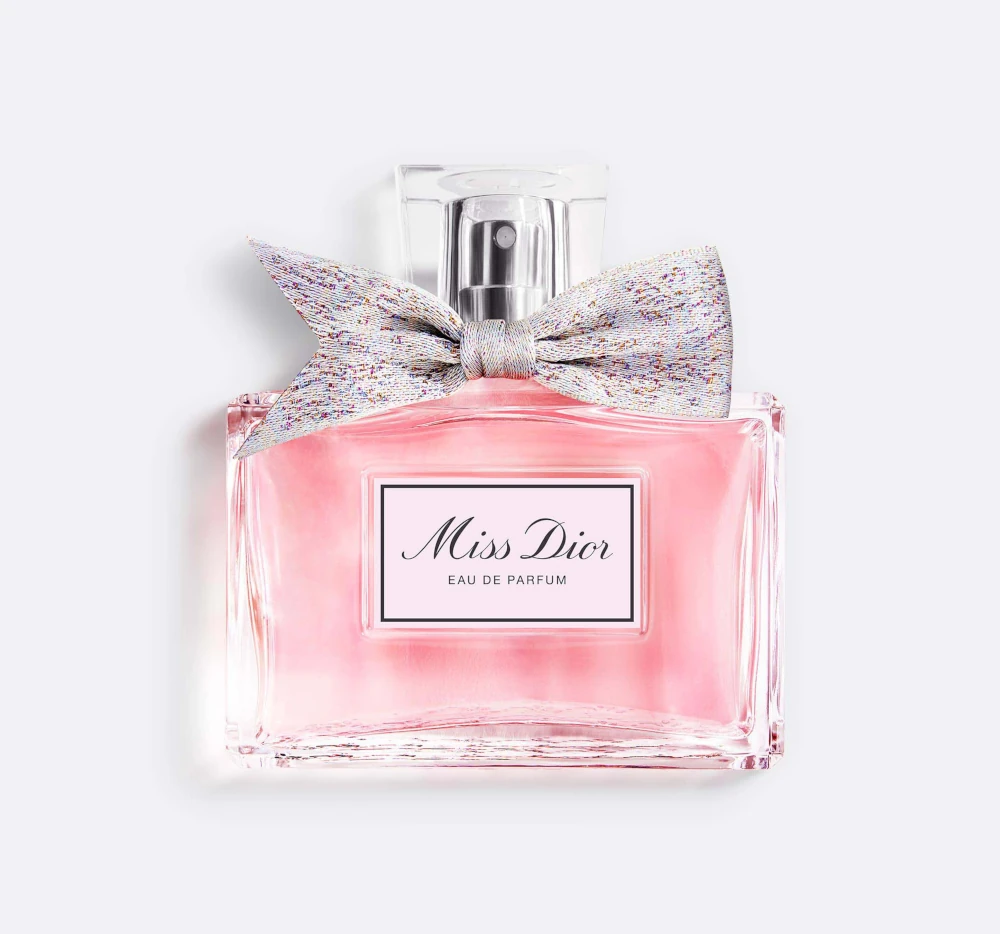
Check out all the current Dior perfumes at dior.com
Frequently Asked Questions
What is the New Look collection?
The New Look, introduced by Christian Dior in 1947, departed dramatically from wartime austerity with its cinched waists, soft rounded shoulders, and full skirts falling well below the knee. It restored a sense of opulence and joy to women’s dressing after years of rationing and masculinized silhouettes, and single-handedly revived the French fashion industry. It remains one of the most influential single collections in fashion history.
Who is currently the creative director of Christian Dior?
Jonathan Anderson has served as Dior’s unified creative director — across women’s, men’s, and haute couture — since 2025. He is the first designer to hold this role since the house’s founder. He succeeded Maria Grazia Chiuri (women’s) and Kim Jones (men’s), both of whom departed in 2025, and he continues to run his own JW Anderson label.
What made Maria Grazia Chiuri’s tenure at Dior significant?
Chiuri was the first woman ever to lead the creative direction of Dior’s women’s collections in the house’s history. From 2016 to 2025, she built a sustained feminist vision — collaborating with women artists and artisans around the world, launching the massively successful Book Tote, and driving the house’s revenue from approximately €2.2 billion to nearly €9.5 billion. Her tenure is widely considered one of the most commercially and culturally impactful in modern luxury fashion.
What are Christian Dior’s most iconic bag designs?
The Lady Dior (1994, made famous by Princess Diana), the Saddle Bag (1999, designed by Galliano), and the Book Tote (2018, introduced by Chiuri) are the house’s most celebrated modern bags. Under Anderson, the Book Tote has been reimagined with literary cover embroideries, and the Bow Bag — his first original bag design — has debuted for Spring 2026.
Does Dior commit to craftsmanship and sustainability?
Craftsmanship has always been central to Dior — every handbag is hand-assembled in the ateliers, and haute couture pieces require hundreds of hours of skilled work. Under Anderson, whose career at Loewe was defined by the Loewe Craft Prize (supporting global artisans) and a deep commitment to materials that age, fray, and evolve, this emphasis is only strengthening. His January 2026 couture debut used hand-embroidered antique 18th-century textiles, reanimated portrait miniatures, and innovative structural techniques that pushed the boundaries of what the ateliers can achieve. Sustainability across the luxury sector remains a broader industry challenge, but Dior’s commitment to craft longevity — making things that last and that carry value across generations — is one of the most meaningful responses a fashion house can make.
How did Christian Dior redefine luxury fashion?
Dior redefined luxury fashion by insisting that clothing could be joyful, artisanal, and emotionally transformative rather than merely practical. His emphasis on couture technique — careful shaping, structured undergarments, handmade embellishments — set the standard for haute couture in the postwar era. Each creative director has reinterpreted that commitment: Galliano through theatrical spectacle, Simons through minimalist precision, Chiuri through feminist engagement, and Anderson through craft-driven intellectual rigor.
Is Christian Dior only for women?
Not at all. While the house built its reputation on women’s couture, Dior now offers extensive men’s collections in ready-to-wear, tailoring, accessories, footwear, jewelry, watches, and fragrance. Anderson’s unified appointment means both men’s and women’s lines now share a single creative vision for the first time since the founder himself.
How has Christian Dior influenced the broader fashion industry?
The New Look single-handedly revived French haute couture after World War II and established Paris as the global center of luxury fashion for decades. Every creative director who has led the house has in turn shaped the broader direction of the industry — Saint Laurent’s shift toward youth culture, Galliano’s theatricality, Simons’ intellectual minimalism, Chiuri’s feminist vision. The house’s ongoing commitment to couture craftsmanship has helped sustain the relevance and prestige of the artisanal fashion system as a whole.
How can I experience Dior’s history in person?
Dior boutiques worldwide showcase current and occasional archive pieces. The house regularly mounts major retrospective exhibitions globally — the Dior: Designer of Dreams exhibition has traveled to institutions across Europe, Asia, and North America. Anderson has also extended couture beyond the runway: his Spring–Summer 2026 debut included a free public installation at the Musée Rodin in Paris, where garments were presented alongside archive looks and the work of artist Magdalene Odundo. The Dior atelier and flagship at 30 Avenue Montaigne in Paris — where it all began in 1947 — remains a pilgrimage site for anyone serious about fashion history.
Where can I explore current Christian Dior collections?
The full current collections, including Jonathan Anderson’s debut pieces that arrived in boutiques from January 2026, are available at dior.com and at Dior boutiques worldwide. The pre-owned luxury market offers access to sought-after pieces across all eras of the house.

Pashalis Laoutaris
I am a professional writer, fashion blogger, and the owner of https://laoutaris.com. I have over 20 years of experience as a salesperson and 10 years of experience as a fashionista. I write daily blog articles about fashion, tools, converters, and everything you need to know about current trends.Laoutaris Recommends