Discover the latest Prada runway collections and learn about her creative process. Get a behind-the-scenes look at the fashion icon’s work.
Table of Contents
The average reading time is 25 minutes. The article was last updated on 03/07/2026.
Few houses in fashion have managed to stay this relevant for this long. Prada has gone from a single Milanese leather goods shop in 1913 to a publicly listed, multi-brand luxury group that just absorbed Versace — while somehow never losing the eccentric, research-driven design sensibility that made it famous in the first place. Below, we walk through 9 runway moments that trace that evolution, unpack Miuccia Prada’s creative process and her partnership with Raf Simons, and look at what comes next for the group.
A brief overview of Miuccia Prada and her impact on the fashion industry
The early history of Prada is a fascinating story of entrepreneurship and visionary thinking. The company was founded in 1913 by Mario Prada, who initially opened a small leather goods store in Milan’s Galleria Vittorio Emanuele II. The store quickly gained a reputation for producing high-quality leather goods, including handbags, trunks, and luggage for Italy’s wealthiest families.
Over time, Mario’s granddaughter, Miuccia, became interested in the family business. She introduced new designs and styles and even began developing her own materials. Her innovative approach helped to modernize the brand and paved the way for the next phase in Prada’s evolution.
Miuccia’s impact on the fashion industry is significant. She is known for her avant-garde designs and ability to push fashion boundaries. Her collections often blend traditional craftsmanship with modern technology and materials, creating unique and innovative designs.
One of her most significant contributions to the fashion industry is the use of unconventional materials in her designs, such as nylon and plastic, which have become synonymous with the Prada brand. She also popularized the “ugly chic” aesthetic, which features unconventional and unexpected elements in a fashion that challenges traditional beauty standards.
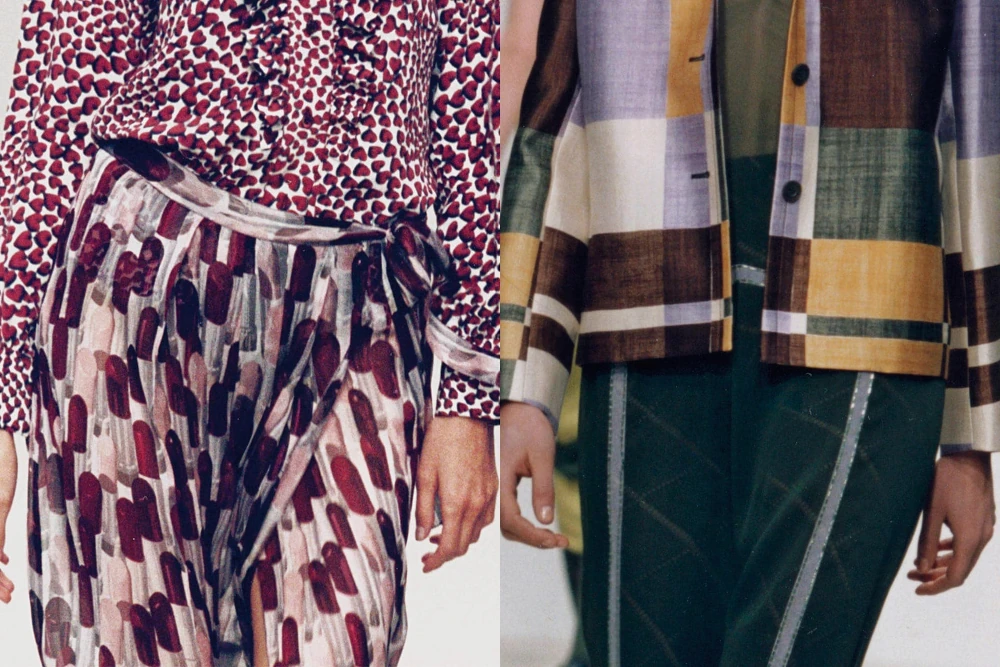
Miuccia is also known for her collaborations with artists, photographers, and filmmakers, which have helped to solidify the brand’s reputation for being at the forefront of contemporary culture. She often combines fashion and art, creating collections that are not only beautiful but also thought-provoking.
In addition to her contributions to fashion, she is known for her commitment to sustainability and corporate social responsibility. She has implemented sustainable practices within the company and supports various charitable causes and cultural initiatives.
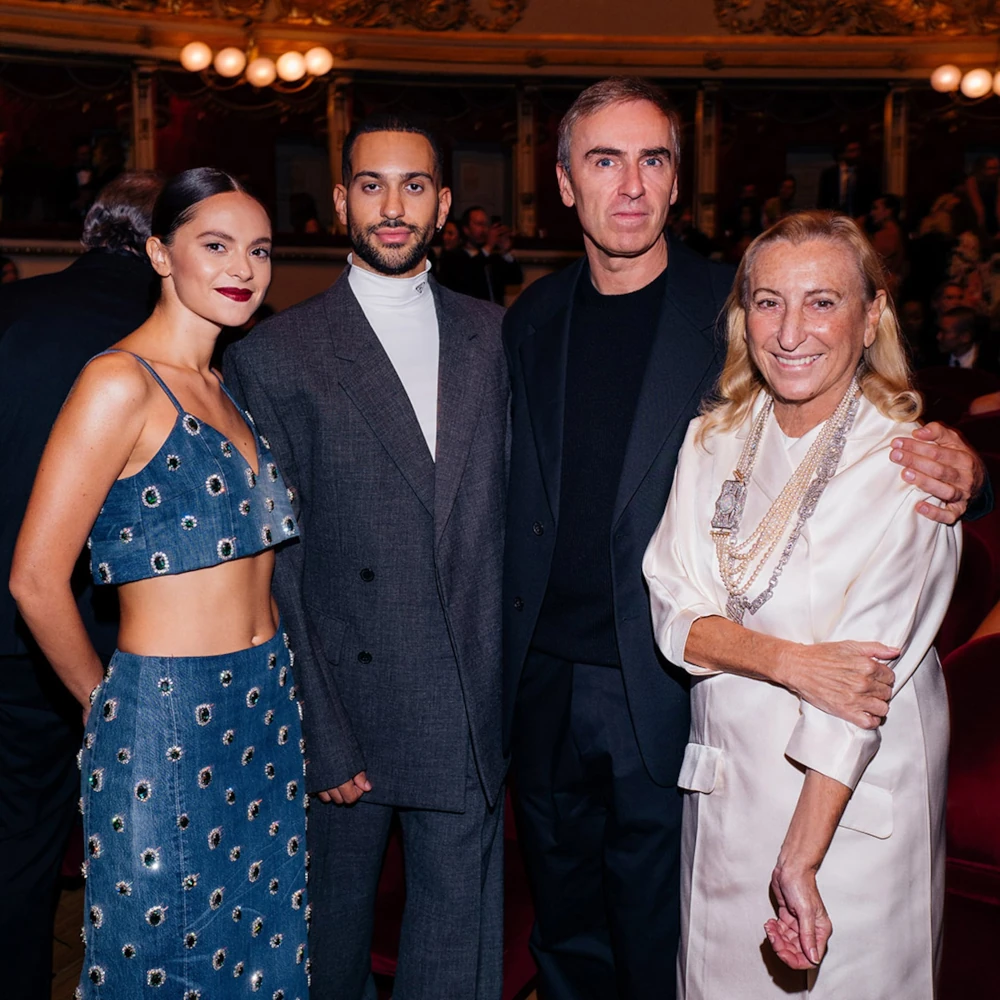
Below is a quick-reference snapshot of Miuccia Prada herself, for readers who want the essentials at a glance:
| Fact | Detail |
|---|---|
| Full name | Maria Miuccia Prada |
| Born | 10 May 1949, Milan, Italy |
| Education | Ph.D. in political science, University of Milan (1973); trained as a mime at Piccolo Teatro di Milano |
| Joined the family business | 1970s |
| Founded Miu Miu | 1993 |
| Current roles | Head designer and co-CEO, Prada Group; co-creative director of the Prada brand alongside Raf Simons |
| Spouse | Patrizio Bertelli, Prada Group Chairman and Executive Director |
| Notable honors | CFDA International Award, Council of Fashion Designers of America; Neiman Marcus Award; multiple honorary degrees |
In conclusion, Miuccia is one of the most influential fashion designers of our time; her work and impact on the fashion industry continue to be felt today. Her unique design approach, unconventional materials, and commitment to sustainability and social responsibility have made her a leader in the industry and a true icon of Italian fashion.
The Evolution of Prada
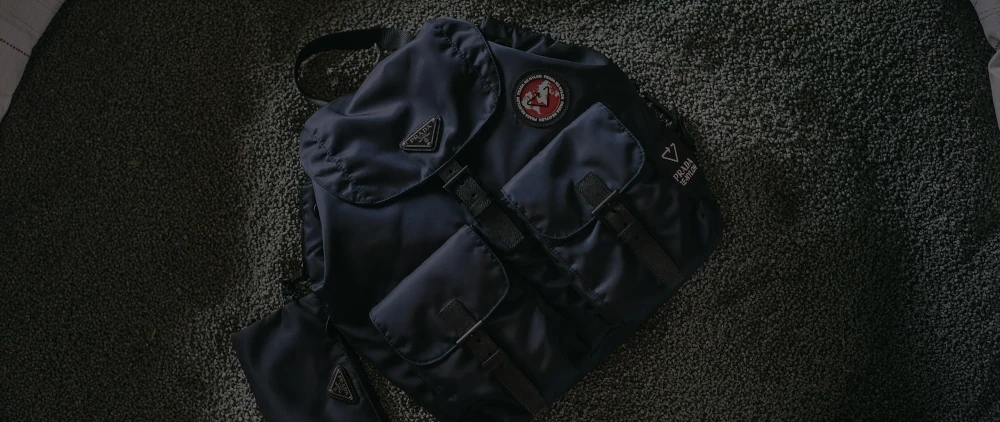
One of the defining moments in Prada’s evolution was the introduction of the nylon backpack in the 1980s. This new One of the defining moments in Prada’s evolution was the introduction of the nylon backpack in the 1980s. This new design was a departure from the traditional leather products the brand had been known for, and it proved to be a huge success. The nylon backpack became an instant icon, and it helped establish Prada as a brand willing to take risks and experiment with new materials.
In addition to its innovative designs, Prada is also known for its bold marketing campaigns. The brand has always been willing to push the boundaries of what is expected in the fashion industry, and its campaigns have been both provocative and thought-provoking. This approach has helped to cement Prada’s reputation as a trendsetter and a cultural icon.
What you wear is how you present yourself to the world, especially today, when human contacts are so quick. Fashion is instant language.
Miuccia Prada
Over the decades, Prada has expanded its reach by acquiring, launching, and licensing other brands. The table below traces the major milestones in the company’s history, from its founding to its most recent corporate moves:
| Year | Milestone |
|---|---|
| 1913 | Mario Prada opens Fratelli Prada, a leather goods shop in Milan |
| 1978 | Miuccia Prada takes creative control of the company |
| 1979 | Debut of the iconic black nylon “Pocone” bag |
| 1988 | First Prada womenswear ready-to-wear runway show |
| 1993 | Miu Miu is founded as Prada’s youth-focused sister label |
| 1997 | Prada acquires a majority stake in Jil Sander and Helmut Lang |
| 1999 | Prada acquires British shoemaker Church’s |
| 2011 | Prada S.p.A. lists on the Hong Kong Stock Exchange (1913.HK) |
| 2013 | Fondazione Prada reopens as a permanent contemporary art venue in Milan |
| 2019 | Prada becomes the first Italian luxury brand to sign the Fashion Pact on sustainability |
| 2020 | Raf Simons joins as co-creative director, sharing equal creative responsibility with Miuccia Prada |
| 2023 | Launch of Re-Nylon collection expansion and the “Prada Frames” sustainability symposium |
| 2025 | Prada Group announces and completes the acquisition of Versace from Capri Holdings |
| 2026 | Pieter Mulier appointed Chief Creative Officer of Versace; group reports its 20th consecutive quarter of growth |
What you wear is how you present yourself to the world, especially today, when human contacts are so quick. Fashion is instant language.
Miuccia Prada
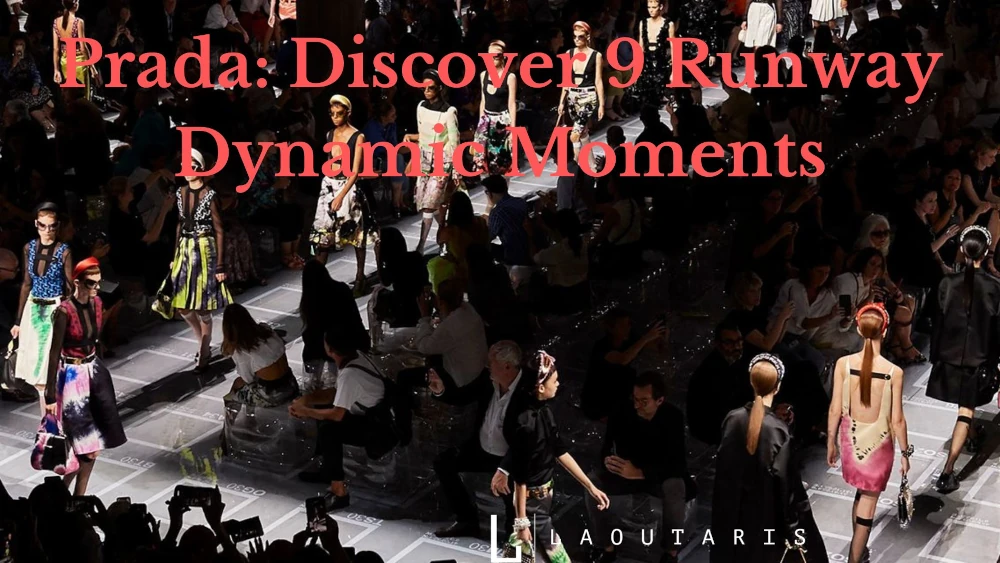
9 Dynamic Prada Runway Moments
Prada’s runway history is really a history of controlled risk-taking. The nine moments below span nearly five decades and trace how the house moved from a family leather-goods business to one of the most talked-about names on the Milan schedule.
| # | Moment | Why it mattered |
|---|---|---|
| 1 | The Pocone nylon bag (1979) | Introduced humble, industrial nylon into luxury leather goods for the first time, laying the groundwork for Prada’s “ugly chic” identity |
| 2 | First womenswear runway show (1988) | Moved Prada from an accessories house into full ready-to-wear, formally launching Miuccia’s design authorship |
| 3 | The “ugly chic” collections (mid-1990s) | Deliberately unglamorous colors, fabrics, and silhouettes upended conventional ideas of beauty and influenced a generation of designers |
| 4 | Founding of Miu Miu (1993) | Gave Miuccia Prada a second, more experimental runway platform under her own first name, aimed at a younger customer |
| 5 | Prada Linea Rossa’s runway crossover | Brought technical sportswear detailing onto the main runway years before “gorpcore” and logo sportswear became a wider trend |
| 6 | The first Miuccia Prada x Raf Simons show, SS2021 (September 2020) | Marked the debut of fashion’s most closely watched co-creative-direction experiment, shown in Milan under pandemic conditions |
| 7 | Fall/Winter 2025-2026 Menswear, “Resistance and Romanticism” | Backstage, Miuccia Prada described the collection as a response to a difficult political and social moment, framing fashion as a form of quiet resistance |
| 8 | Spring/Summer 2026 Womenswear, “Body of Composition” | Logo-free, military-inspired “Prada uniforms” reflected on adaptability and freedom, staged against the label’s signature orange lacquer set |
| 9 | Fall/Winter 2026 Womenswear, “Inside Prada” | Bella Hadid anchored a 60-look show built around live layering, walking the runway multiple times while progressively stripping back her outfit in front of the audience |
A closer look at the three most recent entries on this list — the ones defining Prada’s current creative chapter:
7. Fall/Winter 2025-2026 Menswear. Presented at the Fondazione Prada’s Deposito venue, the collection was framed as a response to contemporary societal challenges, aiming to convey warmth, humanity, and optimism amid adversity. Backstage, Miuccia Prada told the press, “This is somewhat of a response to the current state of affairs. We must resist with our instincts, our humanity, our passion, and our romanticism.” The space itself underscored the theme: Art Nouveau carpeting met an elevated metal scaffolding runway, a physical contrast between decoration and function.
8. Spring/Summer 2026 Womenswear, “Body of Composition.” Miuccia Prada and Raf Simons presented adaptable, largely logo-free pieces designed to shift and change with the wearer. Bold, military-style “Prada uniforms” opened the runway, paired with pleated trousers, skirts, and elbow-length gloves, and were shown against the label’s signature orange lacquer set. In her show notes, Miuccia Prada wrote that the collection was “about reacting to the uncertain — clothes that can shift, change, adapt,” giving the wearer “a choice and a freedom, authority, and agency.” Raf Simons added that even a uniform can make a woman “feel as amazing, free, chic, and luxurious” as a dress.
9. Fall/Winter 2026 Womenswear, “Inside Prada.” Staged inside the Deposito, the show explored the “inherent pluralities” of women’s lives through layered tailoring and archival references. The runway format itself became the concept: 60 looks were worn by just 15 models, each modeling four outfits and shedding one layer with every pass down the catwalk. Supermodel Bella Hadid anchored the presentation, progressively stripping down her look in a live demonstration of the season’s central idea. The set combined tapestries, paintings, and furnishings spanning five centuries — 16th- and 17th-century artworks alongside 18th-century Venetian mirrors and 20th-century furniture — blending eras of design history into a single environment.
The recurring venue, the Deposito at Fondazione Prada, has become something of a signature: an industrial exhibition space that Miuccia and Raf Simons reimagine each season with immersive sets, from scaffolding structures to archival art installations.
Prada Group at a Glance
Prada is no longer just a fashion house; it is a diversified luxury conglomerate. As of the most recent full-year results, the Prada Group posted annual revenue of €5.718 billion in 2025, up from €5.43 billion in 2024. It’s worth clarifying which “growth rate” is being cited, since coverage of the results has used a few different figures: revenue was up roughly 5% in reported euro terms, up 9% at constant exchange rates (i.e., stripping out currency swings), and up 8% on an organic basis (excluding the two-and-a-half-week contribution from the newly acquired Versace).
This marked the 20th consecutive quarter of growth for the group, a notable achievement given that rivals such as LVMH and Kering’s Gucci have faced setbacks amid an ongoing luxury slowdown.
Here is a snapshot of the group’s key financial and operational figures:
| Metric (FY 2025) | Figure |
|---|---|
| Net revenues | €5.718 billion, up 9% year-on-year |
| Retail sales | €5.102 billion, up 9.3% at constant exchange rates |
| Adjusted EBIT | €1.3 billion, with a margin of 23.2% |
| Net income | €852 million, up 2% year-on-year |
| Miu Miu retail sales growth | Up 35%, continuing to outperform the group |
| Prada brand retail sales | Down 1% year-on-year, though improving through the second half |
| Store network | 843 directly operated stores, including 220 added through the Versace acquisition |
| Employees worldwide | 17,901 |
| Manufacturing plants | 25 |
| Proposed dividend | €0.166 per share |
Regionally, the group’s growth was broad-based. Retail net sales grew by double digits in the Americas (+17.7%), the Middle East (+15.5%), and Asia Pacific (+10.9%), with Europe (+4.7%) and Japan (+3.1%) also posting gains.
The Raf Simons Era: Co-Creative Direction
Moment #6 on the list above — the debut Miuccia Prada x Raf Simons show — is really the hinge point of everything that followed. A defining chapter of modern Prada is the creative partnership between Miuccia Prada and Belgian designer Raf Simons. From 2 April 2020, Raf Simons joined the Prada brand as co-creative director, working in partnership with Miuccia Prada with equal responsibilities for creative input and decision-making. Their first jointly designed collection was the Spring/Summer 2021 womenswear show, presented in Milan in September 2020.
Before joining Prada, Simons built an influential career across some of fashion’s most storied houses:
- Jil Sander — creative director from 2005 to 2012
- Christian Dior — creative director from 2012 to 2015
- Calvin Klein — chief creative officer from 2016 to 2018
- His own label — launched in 1995, still active
The Prada Group has described the arrangement as a new approach to the very definition of creative direction for a fashion brand — a challenge to the idea of singularity of creative authorship, and a reinforcement of the power of creativity in a shifting cultural landscape. Since 2020, the duo has co-designed every Prada womenswear and menswear collection, presenting their work inside the Deposito of the Fondazione Prada in Milan.
That collaborative ethos extends beyond the two designers to how Prada casts and staffs its shows. Recent seasons have featured visibly diverse casting across age, body type, and background, and the group’s Valuable 500 commitment (covered in more detail below) has pushed disability inclusion into both the workplace and the brand’s public messaging.
Miuccia Creative Process
Miuccia’s creative process is known for its unique approach and attention to detail. She is known for blending traditional craftsmanship with modern technology and materials, creating innovative and avant-garde designs — a philosophy that now unfolds in dialogue with Raf Simons.
Prada begins her creative process by researching and gathering inspiration from various sources such as art, literature, film, and everyday life. She is particularly interested in the relationship between fashion and culture, often drawing inspiration from historical and social contexts. She also uses this research process to explore new materials, fabrics, and techniques.

Once she has a clear idea of her inspiration and direction, Miuccia develops her designs together with Simons and their shared team of designers, pattern-makers, and technicians, creating prototypes and experimenting with different textures and silhouettes. She is known for her attention to detail and her ability to perfect a design until it meets her exacting standards.
The two designers have talked openly about how they navigate a genuinely shared creative process rather than a hierarchy. Reflecting on the Spring/Summer 2026 collection, Raf Simons told WWD that the goal was clothing that still makes you “think about getting dressed,” even inside something as utilitarian as a uniform.
“One of the things that we found very challenging is that the world is so hardcore now, but there is still so much beauty,” he said. “And you have to deal with this one way or another.” Miuccia, in her show notes for the same collection, framed the clothes as tools for “a choice and a freedom, authority, and agency for the woman wearing them” — a line that captures how the pair now talk about design as much in emotional and political terms as aesthetic ones.
Throughout the design process, Miuccia is involved in every aspect, from the selection of fabrics to the final fitting of each garment. She is also known for her ability to anticipate and respond to changes in trends and consumer preferences, constantly pushing the boundaries of fashion. Key hallmarks of her process include:
- Research-first mindset: deep dives into art history, film, and social movements before a single sketch is made
- Material experimentation: ongoing exploration of technical fabrics alongside luxury textiles
- Collaborative authorship: shared decision-making with Raf Simons rather than a single top-down vision
- Iterative fittings: multiple rounds of prototyping and adjustment before a design is finalized
- Cultural dialogue: frequent partnerships with artists, architects, and filmmakers through Fondazione Prada
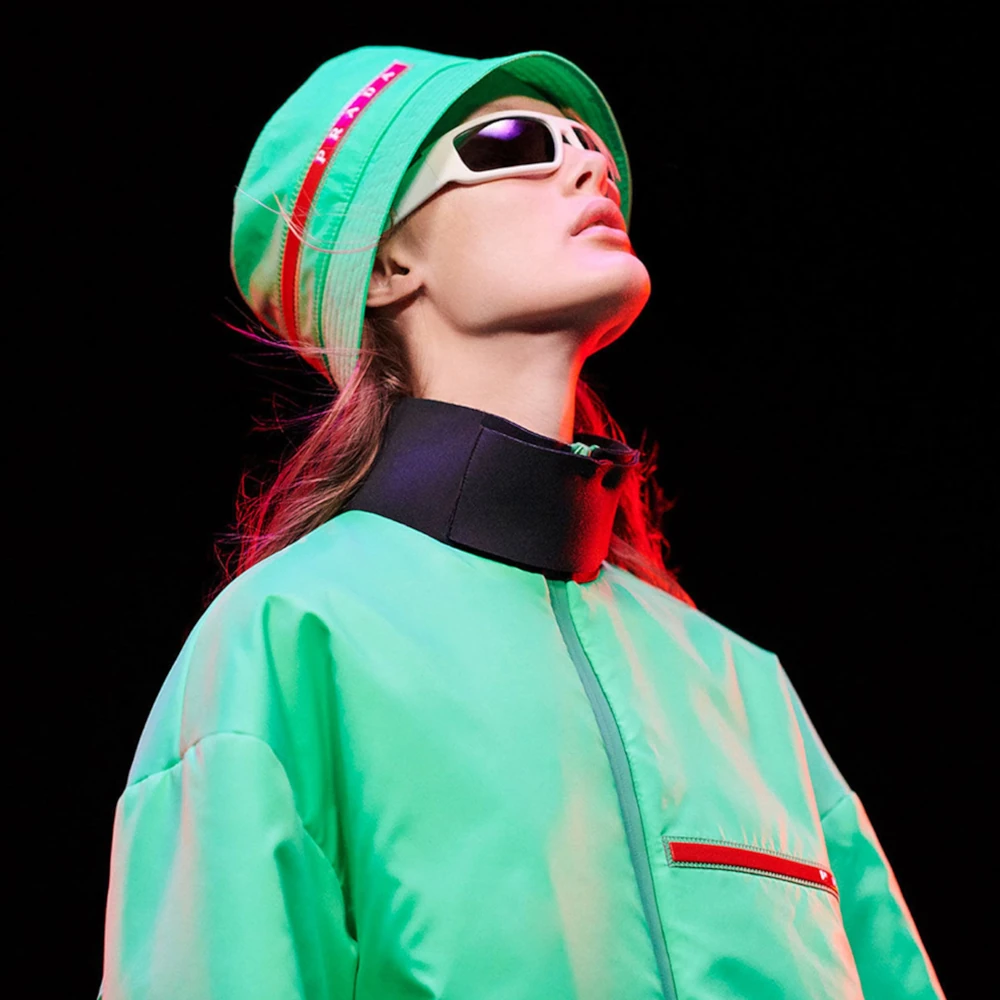
Miuccia’s creative process is also characterized by her willingness to experiment and take risks. She is unafraid to challenge traditional beauty standards and often incorporates unconventional elements into her designs. This approach has helped to solidify the brand’s reputation for being at the forefront of contemporary culture.
A detailed description of the atmosphere and experience of a runway show
A Prada runway show is an experience unlike any other. Known for avant-garde and innovative design, the house creates a captivating and thought-provoking atmosphere season after season.
A combination of elegance and minimalism characterizes the atmosphere of a Prada runway show. The shows are usually held in an ample, industrial-style space, such as the Deposito at Fondazione Prada, with a simple runway and immersive but restrained decor. The focus stays on the clothing and the models rather than the setting.
The sensory details matter as much as the clothes. Guests are typically seated on hard stadium-style tiers rather than plush chairs, reinforcing the show’s utilitarian, almost architectural mood. A custom score — often minimal, sometimes industrial — builds tension before the first model appears, while lighting stays intentionally stark rather than theatrical, letting fabric and texture read clearly rather than being flattered by mood lighting. Editors in the front row can be heard murmuring or tapping out notes on their phones mid-show, and a hush usually falls in the final minutes before Miuccia Prada and Raf Simons take their joint bow.
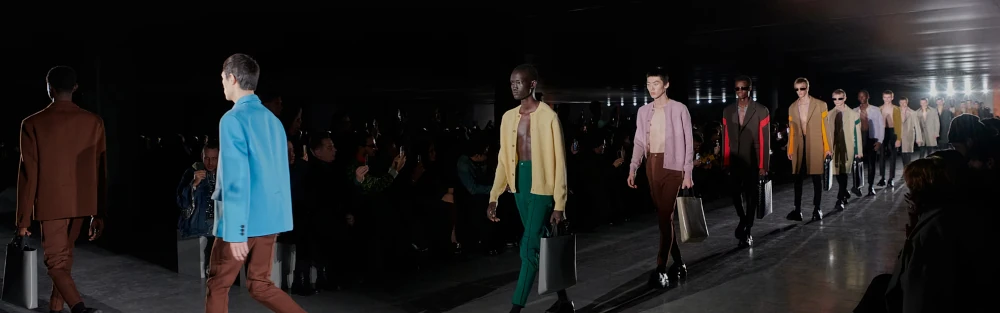
The clothing is the show’s star, with each garment carefully crafted and presented to the audience. The designs are often unconventional and unexpected, challenging traditional beauty standards and pushing the boundaries of what is possible in fashion. The models wear the clothes with a unique and confident attitude, adding to the show’s overall atmosphere.
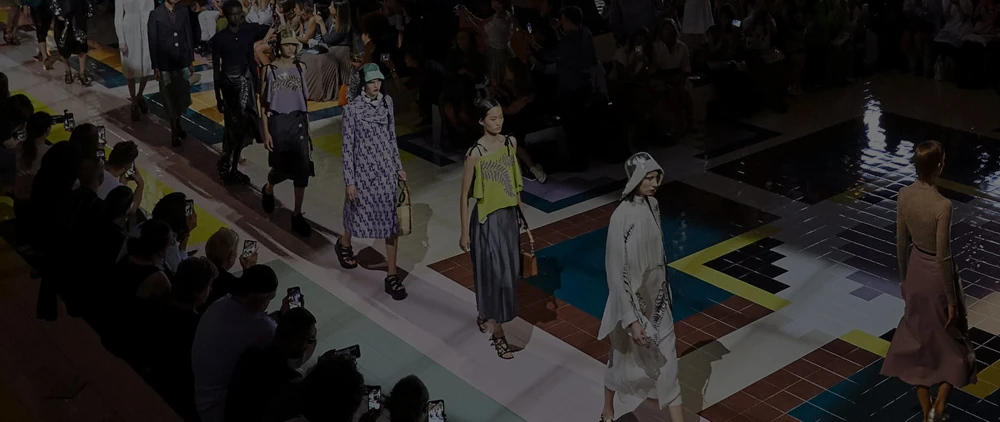
The audience at a Prada runway show is a diverse group of fashion insiders, celebrities, and influencers. The front row is usually filled with the most important names in fashion, art, and culture, adding to the atmosphere of exclusivity and luxury. A typical Prada show follows a recognizable rhythm:
| Stage | What happens |
|---|---|
| Arrival | Guests are seated according to industry status; front row reserved for top editors, buyers, and celebrities |
| Set reveal | The immersive set — often built inside the Deposito — is unveiled as lights dim |
| Opening looks | The collection’s core silhouette or “uniform” is introduced in the first exits |
| Escalation | Layers, textures, and embellishments build in complexity through the middle of the show |
| Finale | Miuccia Prada and Raf Simons take a joint bow at the end of the runway |
| Aftermath | Guests move to an after-event or dinner, while the show is dissected online within minutes.tes |
Behind the Scenes of the Runway
Behind the scenes of a runway show is a world of hard work, creativity, and attention to detail. Preparing for a runway show is a long and complex process involving many different people and stages.
The process begins with the design and development of the collection. Miuccia Prada and Raf Simons work closely with their designers, pattern-makers, and technicians to create prototypes, experimenting with different fabrics, textures, and silhouettes. This stage can take several months before the final designs are chosen, with many rounds of fittings and adjustments.
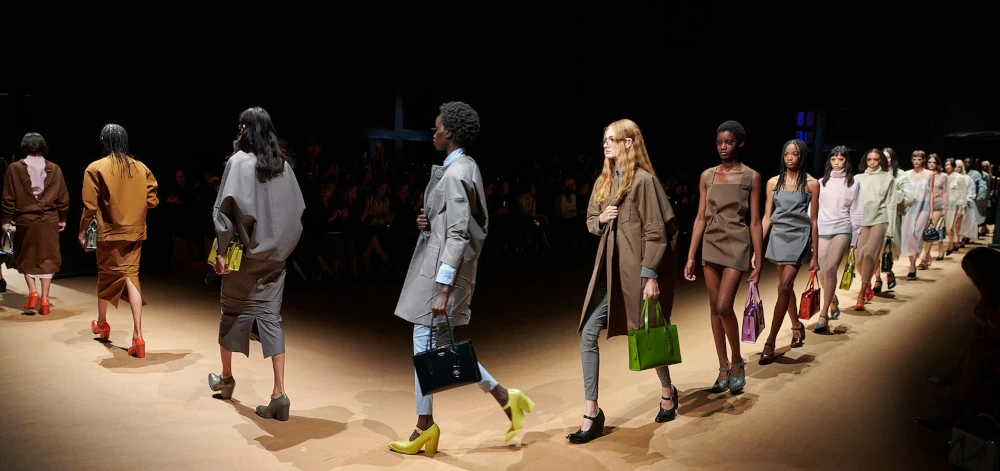
Once the designs are finalized, the team begins work on the production of the garments. This includes sourcing fabrics, cutting patterns, and constructing garments. The clothing is fitted on models, and any final adjustments are made.
The next stage is the casting of the models. The Prada team works with a casting director to select the models who best represent the season’s designs. The models are then fitted, and rehearsals begin. The choreography of the models, the lighting, the music, and the overall flow of the show are all carefully planned and rehearsed in the weeks leading up to the event.

On the day of the show, the atmosphere is electric, with a sense of excitement and anticipation. The models are getting their hair and makeup done, final adjustments are being made to the clothing, and the set is being assembled. The audience arrives, and the front row is filled with the most important names in fashion, art, and culture.
Once the show begins, all the hard work, creativity, and attention to detail come to life. The models take to the runway, presenting the clothing to the audience. The show is usually followed by an exclusive after-party, where guests can mingle and celebrate the show’s success. A typical production timeline looks something like this:
Show day: last-minute fittings, run-throughs, live presentation, after-party
Months 6-4 before the show: concept development, research, and material sourcing
Months 4-2 before the show: prototyping, pattern-making, and initial fittings
Weeks 6-2 before the show: casting, final garment production, and set construction
Final week: dress rehearsals, hair and makeup tests, seating charts finalized
Sustainability and Corporate Responsibility
Sustainability has become a core pillar of Prada Group’s public identity. Some of the initiatives the group has pursued in recent years include:
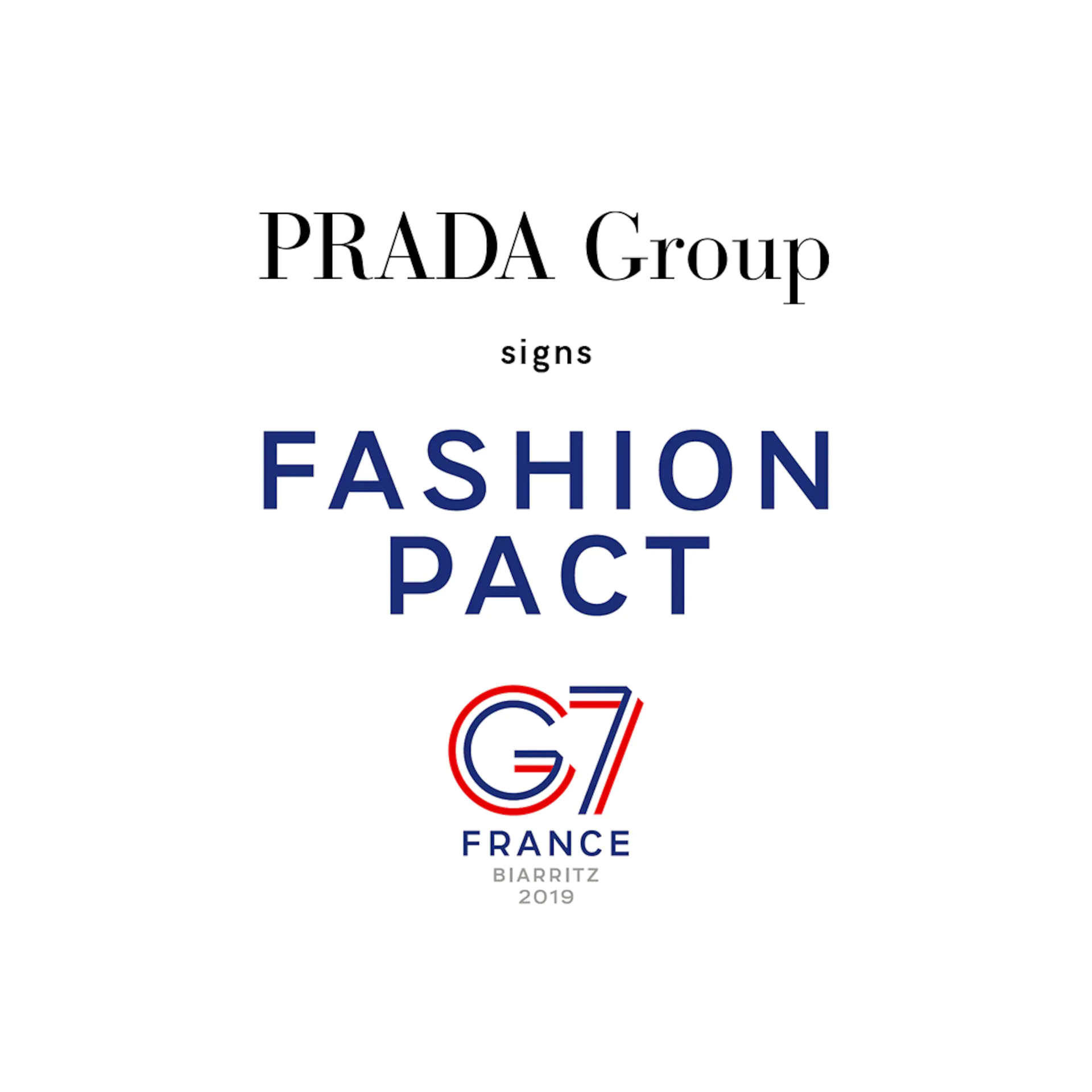
- The Fashion Pact: Prada was among the founding signatories, committing to environmental targets across climate, biodiversity, and ocean protection.
- Re-Nylon: a line built from regenerated nylon yarn (ECONYL), made by recycling fishing nets, industrial plastic waste, carpet fiber, and fabric scraps collected from around the world. According to Aquafil, the yarn producer behind ECONYL, every 10,000 tons of the material produced saves roughly 70,000 barrels of petroleum and avoids about 57,100 tons of CO2-equivalent emissions compared with virgin nylon — cutting the material’s global-warming impact by up to 80–90%. Prada’s original goal was to convert all of its virgin nylon into ECONYL by the end of 2021.
- SEA BEYOND: an ocean-literacy education program for schools, expanded with the opening of the first Ocean Literacy Centre in Venice and the launch of the SEA BEYOND Multi-Partner Trust Fund for Connecting People and Ocean.
- Prada Rong Zhai: the group’s restored historic building in Shanghai, which hosted an educational exhibition as part of the group’s sustainability outreach.
- Community partnerships: renewed collaborations with Forestami, which promotes urban greenery, and with Fondazione Gianni Bonadonna, which supports cancer research.
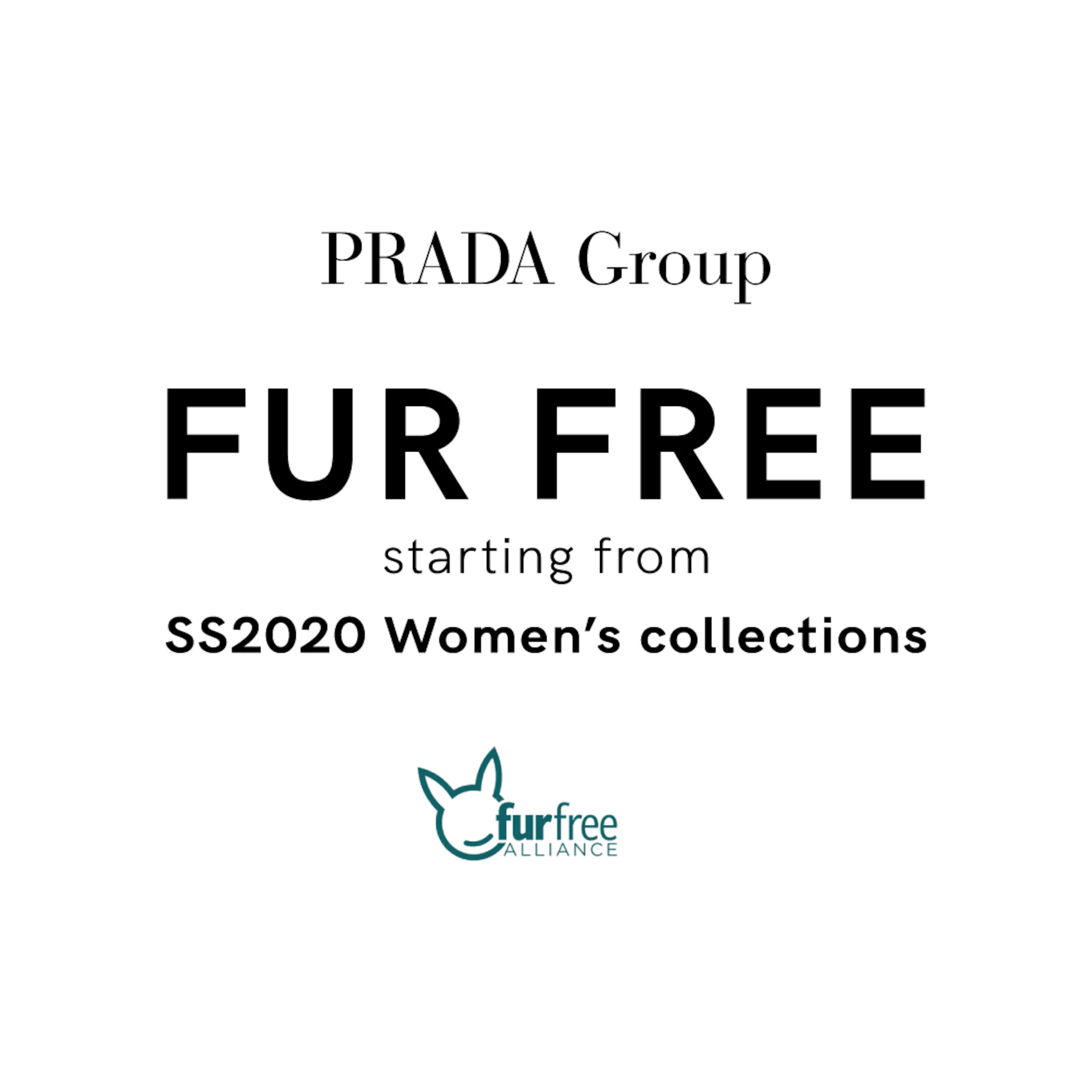
- Fur-free policy: Prada Group eliminated fur from all of its collections, part of a broader animal-welfare commitment.
- The Valuable 500: a commitment to disability inclusion and workplace accessibility.
The Versace Acquisition
One of the biggest corporate developments in Prada’s history took place in 2025, when the group moved beyond organic growth and acquisitions of complementary, smaller labels to take on one of Italian fashion’s most recognizable names: Versace.
| Detail | Fact |
|---|---|
| Deal announced | 10 April 2025 |
| Seller | Capri Holdings (NYSE: CPRI) |
| Deal value | An enterprise value of approximately $1.4 billion in cash |
| Financing | A syndicated facilities agreement totalling €1.5 billion, including a €1 billion five-year term loan, a €500 million bridge facility, and a €200 million seven-year bilateral loan |
| Deal completed | 2 December 2025 |
| Stores added | 220 Versace stores added to Prada Group’s retail network |
| Versace 2025 revenue | €684 million |
| Executive Chairman of Versace | Lorenzo Bertelli |
| Versace CEO | Emmanuel Gintzburger |
| Versace Chief Creative Officer | Pieter Mulier, effective 1 July |
The acquisition followed a turbulent stretch for Versace under its previous owner. Capri Holdings had originally acquired Versace in 2018 for $2.1 billion, but the brand’s value fell amid tariff-driven market pressure, and an earlier attempt to sell it for over $3 billion had stalled after creative director Donatella Versace announced her departure.
Prada Group has been candid that the integration will take time. The group expects the Versace consolidation to have a dilutive effect on group EBIT margin in FY-26, with the intention of resuming margin progression from FY-27, once Pieter Mulier’s first collection, rooted in the brand’s original spirit and DNA, is introduced. In the meantime, Versace is expected to continue incurring operating losses of a similar magnitude to 2025 while the group takes decisive action on operating expenses and reinvests resulting savings in strategic areas.
Strategically, the move reflects Prada Group’s ambitions to compete more directly with the giant French luxury conglomerates. Analysts have noted that the deal:
- Diversifies Prada Group’s portfolio into Versace’s bolder, more overtly glamorous aesthetic, distinct from Prada’s minimalism and Miu Miu’s playful maximalism
- Expands the group’s footprint in the Americas and Asia-Pacific, where Versace already had an established retail presence
- Positions the group as Italy’s leading luxury conglomerate in a landscape historically dominated by LVMH and Kering
- Adds meaningful licensing categories (fragrance, home goods) that complement Prada’s existing eyewear and beauty licenses
The cultural gap between the two houses is arguably the deal’s biggest asset and its biggest risk. Where Prada trades on restraint, intellectualism, and quiet uniform-like tailoring, Versace has built its identity on maximalist prints, body-conscious silhouettes, and unapologetic glamour rooted in the Donatella Versace era.

Rather than smoothing that contrast away, Prada Group’s early public statements suggest an intention to keep Versace distinct: a separate executive structure (Lorenzo Bertelli as Executive Chairman, Emmanuel Gintzburger as CEO) and a new chief creative officer in Pieter Mulier, whose own aesthetic — honed at Bottega Veneta and Alaïa — is quite different from either Miuccia Prada’s or Donatella Versace’s. That is also where the near-term risk sits: creative transitions are historically the most fragile period for a fashion house, commercially and reputationally, and Prada Group has been explicit that it expects Versace’s sales to contract further and its losses to continue before any turnaround materializes.
How to Attend a Prada Runway Show
Attending a Prada runway show is a coveted experience for many fashion enthusiasts. Here are some tips on how to improve your odds of securing a seat:
- Build relationships with fashion industry insiders: Attend other fashion events, such as trade shows and parties, and connect with industry insiders, such as stylists, editors, and buyers. These connections may help secure a spot on the front row or even an invitation to the show.
- Follow Prada on social media: Prada often announces upcoming shows and events on its social media platforms, so follow along on Instagram, Twitter/X, and Facebook to stay up-to-date on the latest information. Instagram, Facebook.
- Keep an eye on the fashion calendar: The official calendar of fashion weeks, such as Milan and Paris, is released a few months in advance. Keep an eye on the calendar, mark the dates of the Prada show, and sign up for accreditation of the event if eligible.
- Attend events hosted by Prada: The brand often hosts private dinners, parties, and exhibitions in the lead-up to a show, frequently tied to Fondazione Prada. Attending these events can help you make connections with Prada representatives and other industry insiders.
- Purchase a VIP package: Some fashion retailers and luxury travel companies offer VIP packages that include front-row seats at runway shows and other exclusive experiences and perks.
- Be persistent: Even if you don’t have an industry connection or a VIP package, it’s still worth trying to attend a show. Show up early to the venue and ask around to see if there are any last-minute openings or cancellations.
Final thoughts and conclusion
From a 1979 nylon bag to a 2026 runway where a supermodel undressed live in front of the industry’s most powerful editors, the nine moments above trace a house that has never stopped taking risks — first under Miuccia alone, and for the last several years in genuine creative partnership with Raf Simons. That research-driven, argument-first approach to design, paired with a willingness to experiment with unlikely materials and an increasingly serious sustainability program, is what keeps Prada’s shows must-see twice a year rather than just another stop on the Milan calendar.
The bigger story right now, though, is happening off the runway. With Miu Miu’s sales still surging, the group’s 20th consecutive quarter of growth in the books, and Versace now folded into the portfolio under Pieter Mulier’s new creative direction, Prada Group is making a clear bid to become Italy’s answer to LVMH and Kering. Whether that bet pays off will depend largely on what happens next: if Mulier can do for Versace what Raf Simons has done for Prada, the group’s next chapter could be its most ambitious yet. If not, 2026 and 2027 will be a real test of how much discipline this leadership team can bring to a much messier turnaround than anything they’ve attempted before.
Either way, for now, watching Miuccia Prada and Raf Simons work through that tension on their own runway — twice a year, inside the Deposito, in front of five centuries of art — remains one of the most reliably interesting fixtures on the fashion calendar.
Images sourced from official Prada campaign and press materials, via prada.com and pradagroup.com. Rights belong to Prada S.p.A.
Pashalis Laoutaris
I am a professional writer, fashion blogger, and the owner of https://laoutaris.com. I have over 20 years of experience as a salesperson and 10 years of experience as a fashionista. I write daily blog articles about fashion, tools, converters, and everything you need to know about current trends.Laoutaris Recommends