Are you looking for the best backpacks for women? You’ve come to the right place! We’ll show you the best options for stylish and functional bags that suit any woman’s needs.
Table of Contents
The average reading time is 16 minutes. The article was last updated on 30/06/2026.
Why Women Need a Backpack Designed for Them
Women need backpacks for a few reasons. First, women carry a lot more than men do. On average, women weigh about A backpack designed for women isn’t just marketing — the differences are anatomical and ergonomic. Women’s backpacks typically feature:
- Shorter torso length to match a woman’s average back proportions
- Narrower shoulder straps, set closer together to prevent slipping off the shoulders
- Curved hip belts that sit comfortably on wider hips and transfer weight effectively
- Lighter base weight, since women’s average carry loads differ from men’s
These design details add up to a noticeably better fit and less fatigue over a long day — whether you’re commuting, hiking, or travelling. That said, many women comfortably wear unisex packs too; the key is always proper fit over gender labelling.
If you want to know how to choose the right handbag according to your body shape, click here.
2026 Women’s Backpack Trends to Know
The global backpack market was valued at $12.97 billion in 2025 and is projected to reach $19.28 billion by 2033, driven largely by demand from women consumers. Search interest for “women’s backpacks” consistently outpaces men’s throughout the year. Here are the trends shaping the category right now:
| Trend | What It Means for Buyers |
|---|---|
| Sustainable materials | Recycled polyester (RPET), organic cotton, and bio-based fabrics are mainstream — 65% of consumers now prioritize eco-friendly options |
| Smart tech integration | USB charging ports, RFID-blocking panels, GPS trackers, and anti-theft locks are increasingly standard |
| Modular designs | Detachable pouches and adjustable compartments let one bag serve multiple purposes |
| Minimalist aesthetics | Clean lines, neutral palettes, and streamlined silhouettes dominate 2026 fashion. |
| Convertible styles | Packs that shift between backpack, tote, and crossbody in seconds are surging in popularity |
| Vegan leather alternatives | Recycled PET, “Freedom Fiber,” and plant-based materials now rival real leather in look and longevity |
| Advanced lightweight composites | Dyneema and new air-cell strap systems significantly reduce shoulder load, especially for petite women.n |
| Gender-neutral options | Unisex and inclusive sizing — including extended hip belt ranges — is becoming a selling point |
How to Choose the Right Backpacks for Women
Before spending money, answer these three questions:
1. What will you use it for most?
Your primary use case — commuting, travel, hiking, or school — determines the right style and size.
2. How much do you need to carry?
Match volume to your typical load:
| Use Case | Recommended Capacity |
|---|---|
| Daily commute/school | 15–20 L |
| Day hikes / short city trips | 20–30 L |
| Weekend travel | 30–40 L |
| Extended travel or multi-day hiking | 40–65 L |
3. What is your body type and torso length?
Fit matters more than brand or price. See the guide below before you buy.
How to Measure Your Torso
Getting your torso measurement takes two minutes and makes a huge difference in comfort.
Step-by-step:
- Stand upright and tilt your head forward slightly.
- Find your C7 vertebra — the prominent bony bump at the base of your neck.
- Place a flexible measuring tape at C7 and run it down your spine to the top of your hip bones (the iliac crest). This is the point where your hands naturally rest when you put them on your hips.
- That measurement in inches or centimetres is your torso length.
Torso length to pack size guide:
| Torso Length | Pack Size to Look For |
|---|---|
| Under 16″ (40 cm) | XS or women’s-specific short torso |
| 16″–18″ (40–46 cm) | S / Women’s Small |
| 18″–20″ (46–51 cm) | M / Women’s Medium (most common) |
| Over 20″ (51 cm) | L or adjustable-torso packs |
Pro tip: Many Osprey, Gregory, and Deuter packs include an adjustable torso slider — ideal if you fall between sizes or are unsure.
Fit Tips by Body Type
Petite women (5’4″ and under):
Look for packs with a short or XS torso setting, close-set shoulder straps, and a narrower hip belt. The Osprey Fairview 40L’s adjustable torso system and the Osprey Tempest 22L are particularly well-suited. Avoid tall, high-volume packs that will extend above your head and throw off your centre of gravity.
Tall women (5’9″ and over):
Prioritise packs with a long torso option or a wide adjustable range (4″+ of adjustment). The Osprey Eja 58 adjusts up to 4 inches and is praised by taller testers. Look for longer hip belt straps to ensure the belt actually sits on your hip bones rather than your waist.
Curvy / plus-size women:
Focus on hip belt extension range — some packs top out at a 42–44″ hip circumference, which isn’t inclusive. Osprey and Gregory both offer extended hip belt kits. Look for wide, padded hip belts that curve rather than sit flat.
The best backpacks for women
When buying a backpack for women, you must consider a few factors.
- First, the bag should be big enough to fit all women’s gear but not so big that it becomes cumbersome.
- Second, the backpack should have straps that are comfortable to wear for hours on end.
- Third, the bag should have a variety of compartments and pockets to organize everything.
- Finally, the backpack should be stylish and flattering so the woman can look her best while carrying it around.
Here are the best backpacks for women with a laptop
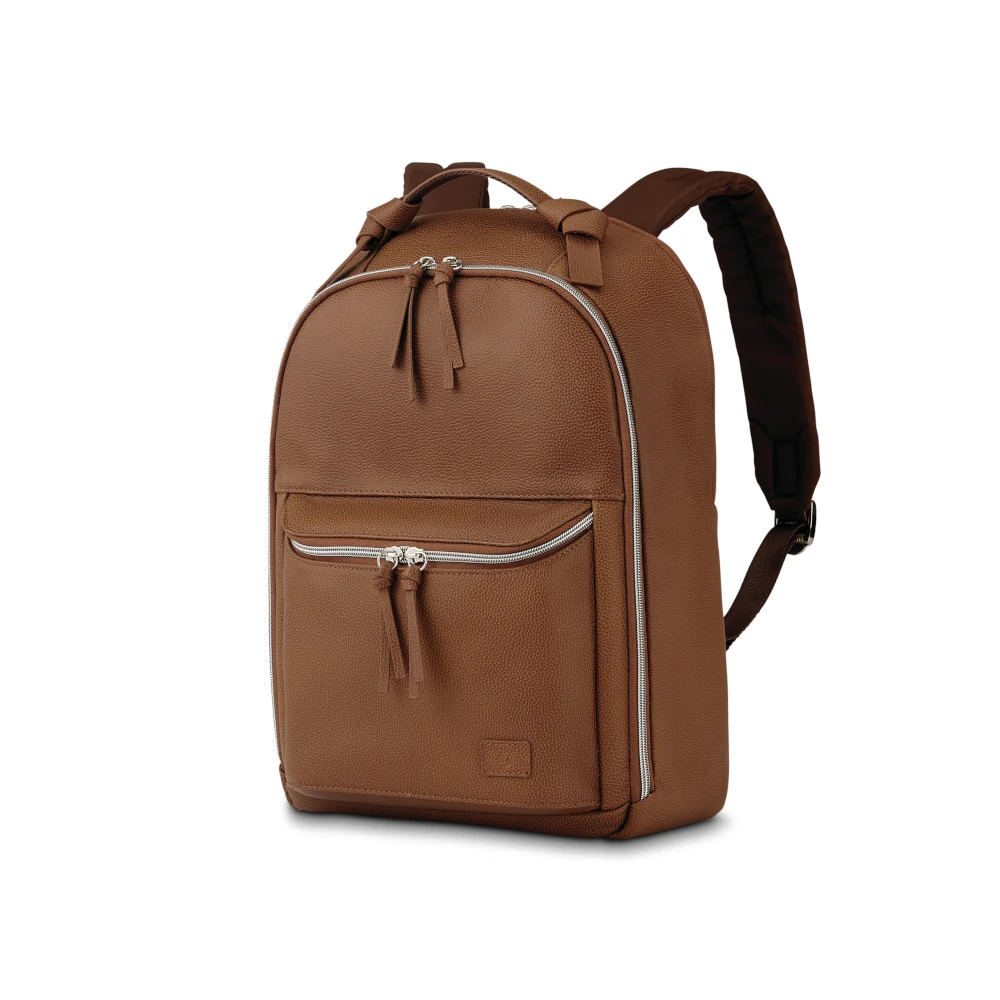
1. Samsonite Women’s Everyday Leather Backpack — Best for polished office style
A sophisticated everyday companion that balances professionalism with practicality.
Pros:
- Genuine pebbled leather construction
- Multiple interior and front pockets for organisation
- Dedicated padded compartment for tablets/laptops up to 14.1″
- Limited 3-year global warranty
- Available in cognac and black
Cons:
- Does not fit 15″ laptops — a notable limitation for many professionals
- Leather requires periodic conditioning and is heavier than nylon alternatives
- No water resistance — avoid in heavy rain
Price: ~$200–$250 | Weight: ~1.1 kg
Check it out at shop.samsonite.com
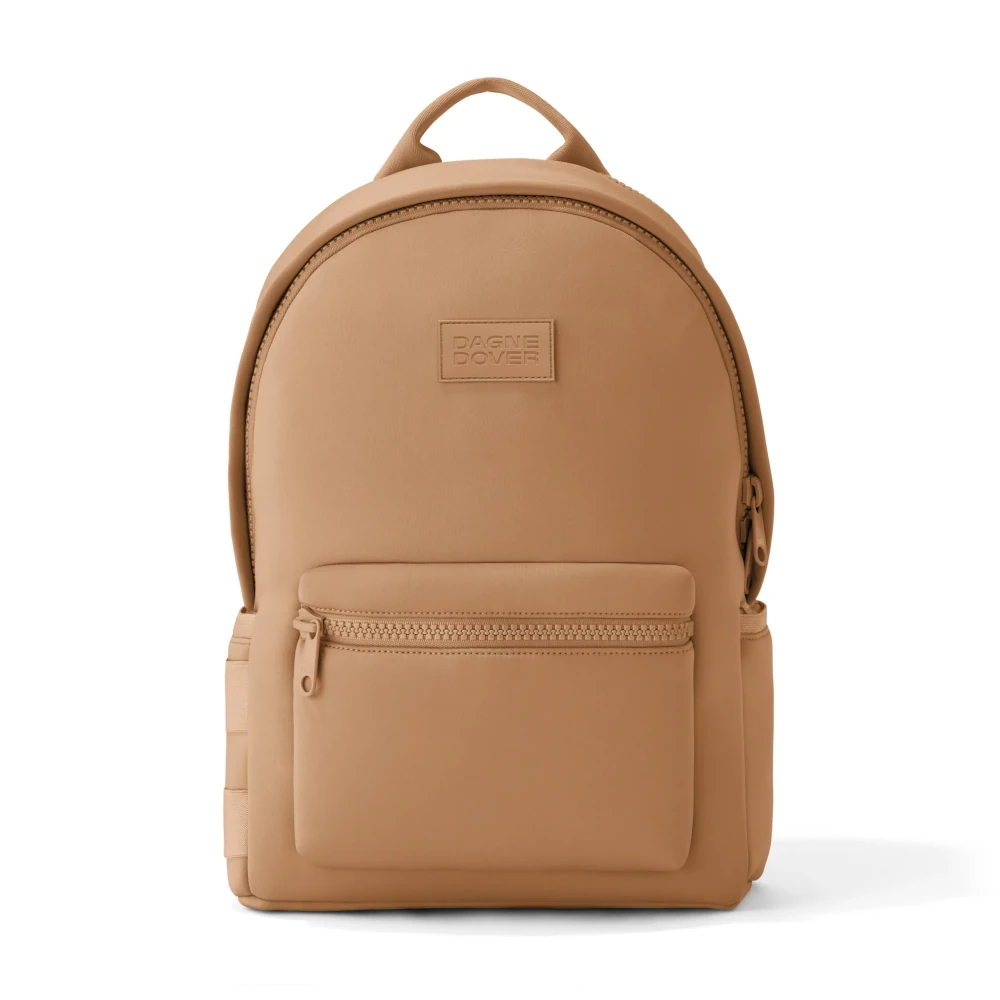
2. Dagne Dover Dakota Backpack — Best for everyday style and organisation
Consistently one of the most-loved women’s backpacks available, with an exceptional organisation system and washable neoprene construction.
Pros:
- Neoprene is water-resistant, flexible, and hand-washable
- Available in 6 colours and Small, Medium, and Large
- Large model fits laptops up to 16″
- Average 4.8/5 stars across thousands of verified reviews
Cons:
- Priced over $200 — a stretch for budget shoppers
- Neoprene can stretch slightly over time with heavy loads
- Limited exterior pockets compared to technical packs
Price: ~$215–$275 | Weight: ~0.65 kg (Medium)
Check it out at dagnedover.com
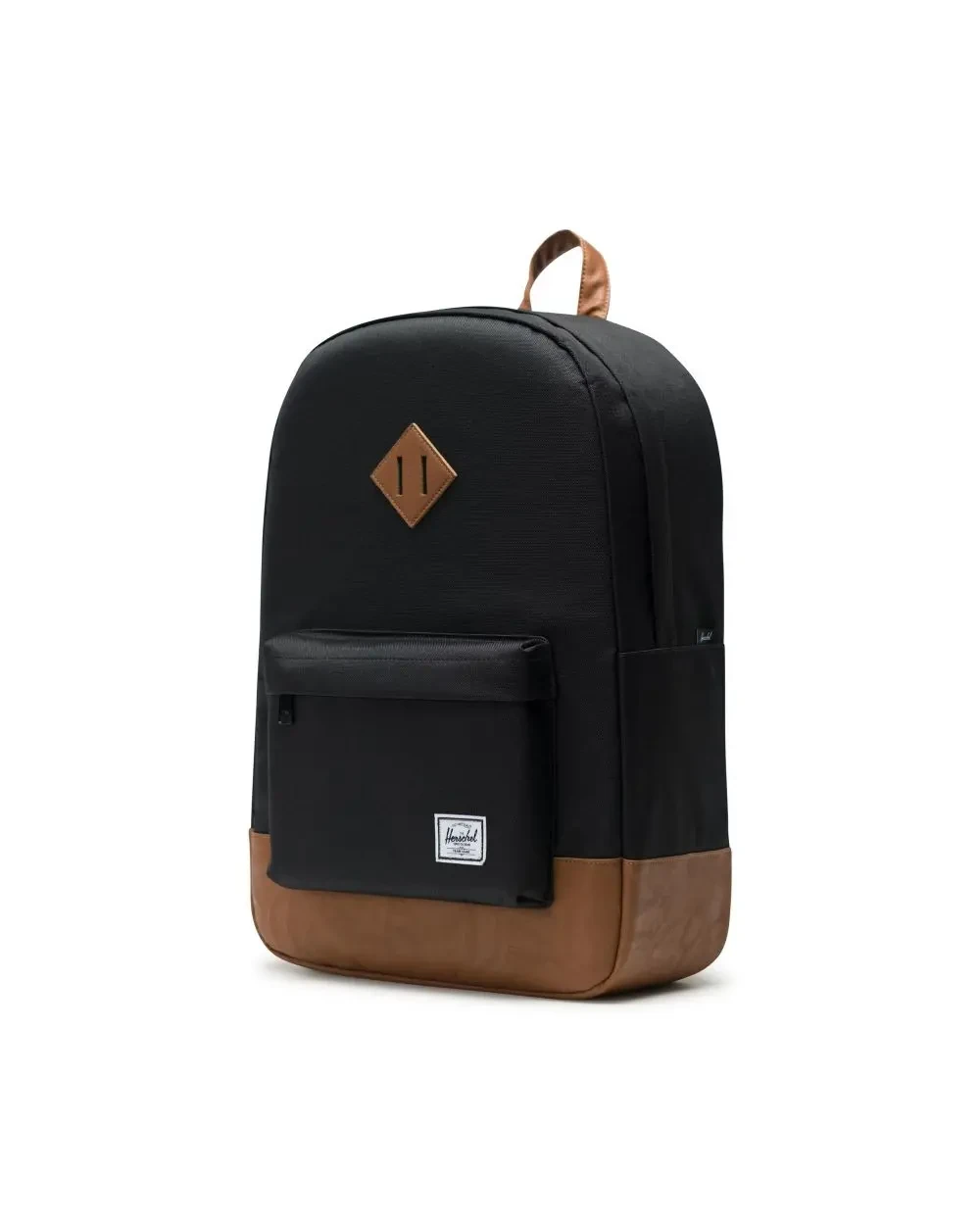
3. Herschel Heritage Backpack — Best budget-friendly classic
A pop-culture icon that remains a go-to for students and casual users.
Pros:
- 24 colour and design options — unmatched variety.
- 15″ laptop sleeve.
- Limited lifetime warranty.
- Compact 21.5L — easy to carry without overpacking.
Cons:
- Some buyers have reported inconsistent stitching quality in recent production runs — inspect seams and zippers before committing.
- Minimal padding on shoulder straps for heavy loads.
- No hip belt or sternum strap.
Price: ~$65–$80 | Weight: ~0.45 kg
The best backpacks for women on the market
There are a lot of great backpacks for women on the market these days. Some are designed specifically for women, while either gender can use others. Regardless of the design, all bags are versatile and can be used for various purposes.
Here are some of the best backpacks for women on the market:
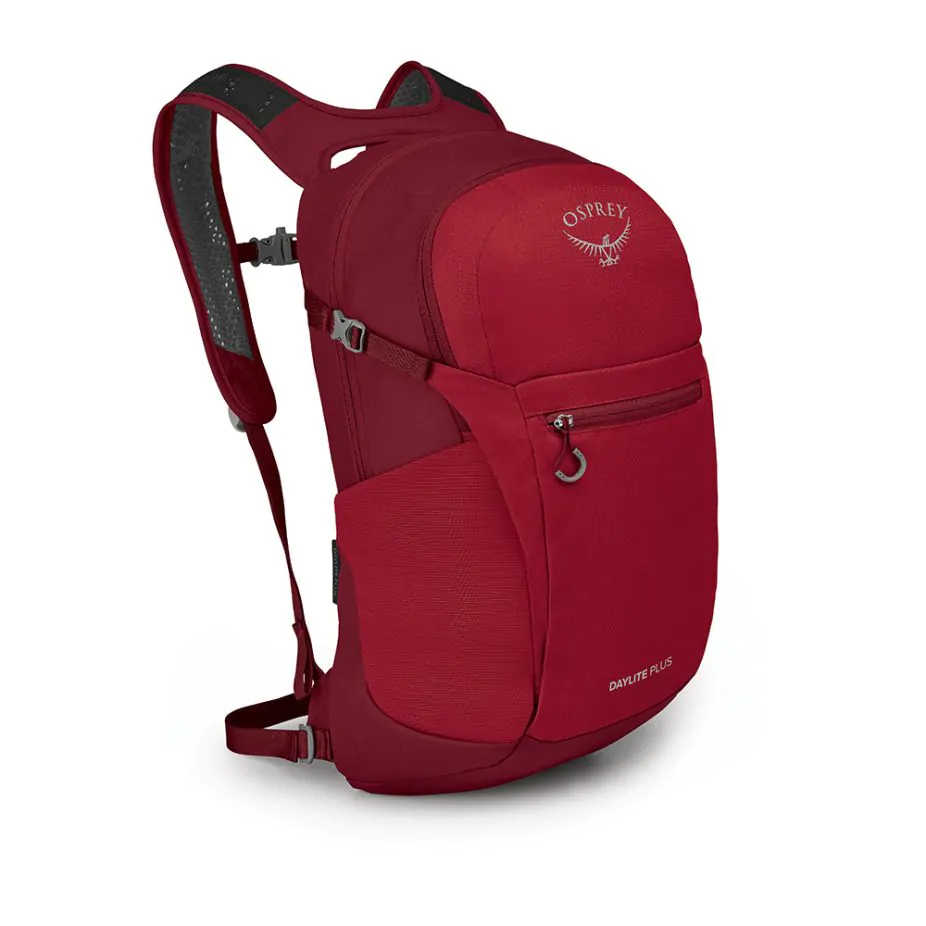
4. Osprey Fairview 40L — Best overall women’s travel backpack
The consistently top-rated women’s carry-on travel pack. Its adjustable torso system and women-specific harness have made it a staple recommendation from Pack Hacker, The Broke Backpacker, and Outdoor Gear Lab alike.
Pros:
- Adjustable torso (women’s-specific harness and hip belt)
- 40L meets most airline carry-on size restrictions
- Fits a 16″ laptop
- Stowaway harness converts seamlessly to luggage-style carry
- Compatible with the Osprey Fairview Daypack add-on for extended trips
- Front-loading clamshell opening — pack and unpack like a suitcase
Cons:
- Bulkier profile — petite women (under 5’2″) may find the torso fits awkwardly at minimum setting
- Above-average price for a fabric pack
- Hip belt does not stow fully flush on all body types
Price: ~$200–$230 | Weight: ~1.42 kg | Available in: 3 colours
Check it out at osprey.com
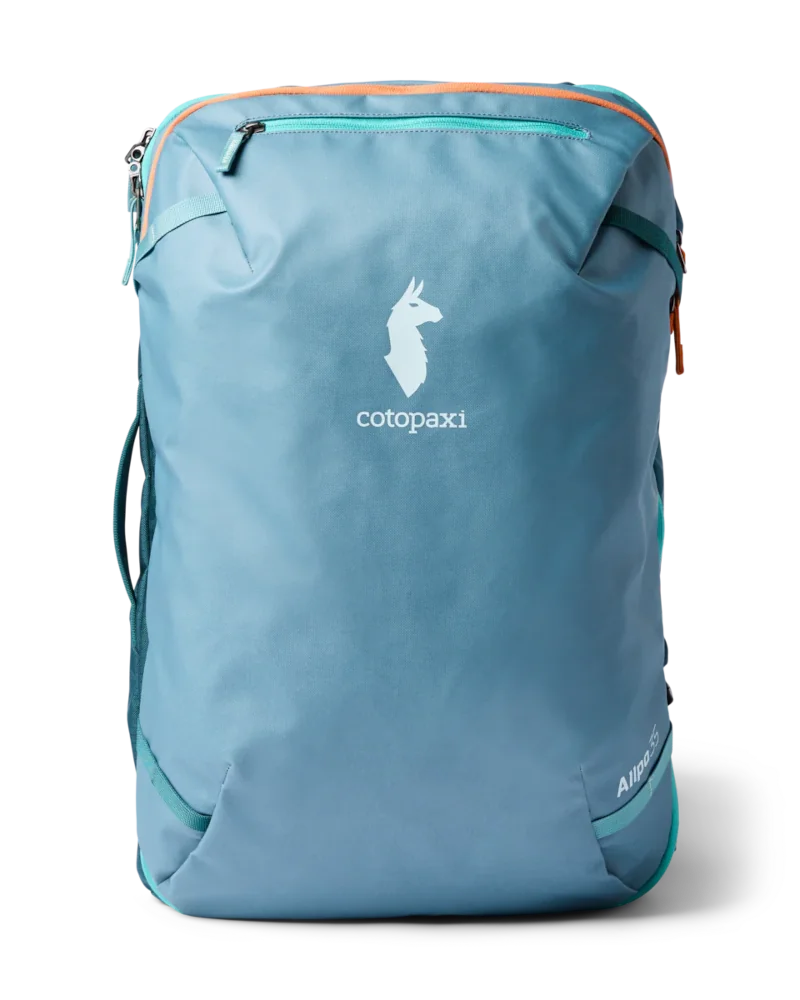
5. Cotopaxi Allpa 35L — Best stylish travel backpack
A standout choice in 2026 for women who want carry-on functionality without sacrificing personality. Cotopaxi’s signature Del Día colourways (each bag is genuinely unique) have made it a social-media favourite, and the construction backs up the looks.
Pros:
- 35L fits most carry-on overhead bins
- TPU-coated 1000D polyester — exceptionally durable and weather-resistant
- Clamshell main compartment with internal pockets and compression straps
- Laptop sleeve plus separate tablet sleeve
- Comfortable harness system with sternum strap and padded hip belt
- Colourful, unique designs — no two are exactly alike
Cons:
- ~$300 — one of the pricier options in this guide
- The hip belt is sold separately for maximum customisation
- Some users find the straps need re-adjusting mid-trip when fully packed
Price: ~$280–$310 | Weight: ~1.5 kg
6. Patagonia Black Hole 32L — Best eco-conscious travel pick
A 2026 favourite praised by Live for the Outdoors and Be My Travel Muse for its durability, versatile sizing, and genuine sustainability credentials.
Pros:
- Made entirely from rugged recycled polyester with a water-resistant finish
- Ethically produced in a Fair Trade Certified factory
- 32L is the sweet spot for weekend trips and short city breaks
- Simple, durable construction that holds up to years of use
Cons:
- Limited internal organisation — no dedicated laptop sleeve on all models, best paired with packing cubes
- Lacks a proper hip belt, so heavier loads (20L+) can strain shoulders
- Not the most ergonomic for all-day carry when fully packed
Price: ~$150–$180 | Weight: ~0.65 kg
7. Osprey Eja 58 — Best overall women’s hiking backpack
Independently rated the top women’s hiking pack by Outdoor Gear Lab testers in 2026, after head-to-head testing of 12 packs on multi-mile trails.
Pros:
- Breathable back panel adjusts up to 4″ for a dialled-in fit
- Lightweight for its capacity class
- Removable top lid with generous accessible storage
- External compression straps keep load stable on variable terrain
- Thoughtful details suited to both overnighters and multi-day trips
Cons:
- Premium price point
- Top lid adds weight if removed regularly — no dedicated stuff pocket underneath on all models.
- Taller women may want the Osprey Eja 65 for more volume
Price: ~$270–$300 | Weight: ~1.2 kg (Medium)
Source: Outdoor Gear Lab, updated May 2026
8. Gregory Maven — Best for long-distance backpacking
Awarded Best Overall Hiking Backpack for Women by Outdoors Magic in 2026, with particular praise for its innovative back system and adjustability.
Pros:
- Innovative hipbelt and back system praised for superior weight transfer
- Side-loading access zipper for easy mid-hike gear retrieval
- Excellent adjustability across torso and hip sizes
- Multiple storage options including top lid, side pockets, and hip belt pockets
Cons:
- ~£190 / ~$240 — a significant investment
- At 1.59 kg, heavier than ultralight alternatives
- Learning curve to dial in the fit correctly
Price: ~$230–$260 | Weight: 1.59 kg
Source: Outdoors Magic, 2026
9. REI Co-op Flash 55 — Best budget hiking backpack for women
An excellent value option that punches well above its price point for beginner and intermediate hikers.
Pros:
- 55L capacity handles multi-day trips comfortably
- Women’s-specific fit with adjustable torso and hip belt
- Ultralight frame stays and removable top lid
- Made partially from recycled materials
- Significantly more affordable than Osprey or Gregory equivalents
Cons:
- Slightly less refined suspension than premium brands
- Fewer premium features (no back ventilation panel)
- REI membership recommended for best pricing
Price: ~$150–$179 | Weight: ~1.1 kg
10. Osprey Tempest 22L — Best women’s hiking daypack
The top choice for day hikers seeking a comprehensive feature set in a compact pack.
Pros:
- Adjustable mesh back panel for custom torso fit
- Bike helmet attachment, trekking pole loops, and ice axe fixture
- 8 pockets beyond the main compartment — excellent organisation
- Generous side bottle pockets
- Robust, trail-tested build quality
Cons:
- Niche technical features that casual walkers may never use
- 22L limits gear on longer day hikes — consider the 30L for full-day adventures
Price: ~$160–$185 | Weight: ~0.9 kg
Best Work Backpacks for Women
11. Everlane ReNew Transit Backpack — Best work backpack for women under $100
A sustainably made, polished commuter pack that doesn’t ask you to choose between ethics and style.
Pros:
- Slim, professional silhouette suitable for office environments
- Water-resistant ReNew recycled fabric exterior
- Padded laptop sleeve (fits up to 15″)
- Multiple internal organisation pockets
- Clean, minimal aesthetic pairs with work or casual dress
Cons:
- Minimal exterior branding may feel too plain for some
- No hip belt — not ideal if you carry heavy tech gear long distances
- Limited colour range compared to competitors
Price: ~$78–$98 | Weight: ~0.5 kg
12. Troubadour Momentum Backpack — Best premium work backpack
A polished, design-forward work pack that’s become a go-to recommendation among professionals who want both form and function. Tested and highlighted by Backpackies in their 2026 work backpack guide.
Pros:
- Sleek, structured silhouette with a genuinely professional appearance
- Padded 15″ laptop sleeve and dedicated tech organisation pockets
- Water-resistant exterior
- Comfortable, well-padded shoulder straps
Cons:
- Premium price point — a real investment piece
- Structured design means less flexibility for irregular or bulky items
- Limited colour options
Price: ~$250–$295 | Weight: ~0.9 kg
13. Deuter Infinity 23L — Best eco-friendly work backpack
A stylish workhorse with serious sustainability credentials and excellent ergonomics.
Pros:
- Made from 100% recycled materials
- Ergonomically padded shoulder straps
- 23L — roomy without being bulky for a workday
- Two side pockets for bottles or umbrellas
- Deuter contributes 1% of revenue to environmental causes via 1% for the Planet
Cons:
- Colour palette runs vivid — may not suit conservative office settings
- No dedicated laptop sleeve on base model
- Less widely stocked than Osprey or Herschel
Price: ~$110–$140 | Weight: ~0.78 kg
Check it out at deuter.comnorthface.com
Honorable Mentions
These packs didn’t make our main list but are worth considering depending on your specific needs:
| Pack | Why It’s Worth Considering | Price Range |
|---|---|---|
| Kelty Redwing 36 Women’s | Hiking comfort at a budget-friendly price; great for beginners | ~$100–$130 |
| Peak Design 30L | Ultra-polished, expandable, indestructible — for those who want the best regardless of cost | ~$350 |
| Fjällräven Re-Kånken | Made from recycled Vinylon F; iconic Swedish design; great for students | ~$90–$110 |
| Pixie Mood Zoe | Vegan recycled-PET leather; converts to shoulder bag; ideal for stylish professionals | ~$99–$140 |
| Nordace Siena | Smart pack with USB charging, anti-theft back zipper, and organiser — great for digital nomads | ~$90–$120 |
| Osprey Renn 65 | Best budget option for serious hikers — outperforms packs twice its price in Outdoor Gear Lab testing | ~$200–$230 |
Quick Comparison Table
| Backpack | Best For | Capacity | Laptop | Weight | Eco-Friendly | Price |
|---|---|---|---|---|---|---|
| Samsonite Everyday Leather | Office / Daily | Medium | 14.1″ | ~1.1 kg | No | $$$ |
| Dagne Dover Dakota | Everyday / Work | S / M / L | 16″ | ~0.65 kg | No | $$$ |
| Herschel Heritage | School / Casual | 21.5L | 15″ | ~0.45 kg | Partially | $$ |
| Osprey Fairview 40L | Travel (carry-on) | 40L | 16″ | ~1.42 kg | No | $$$ |
| Cotopaxi Allpa 35L | Stylish Travel | 35L | 16″ | ~1.5 kg | ✅ Partly | $$$$ |
| Patagonia Black Hole 32L | Eco Travel | 32L | 15″ | ~0.65 kg | ✅ Yes | $$$ |
| Osprey Eja 58 | Hiking (multi-day) | 58L | — | ~1.2 kg | No | $$$$ |
| Gregory Maven | Hiking (long distance) | Various | — | 1.59 kg | No | $$$$ |
| REI Co-op Flash 55 | Hiking (budget) | 55L | — | ~1.1 kg | ✅ Partly | $$$ |
| Osprey Tempest 22L | Day Hiking | 22L | — | ~0.9 kg | No | $$$ |
| Everlane ReNew Transit | Work / Commute | Medium | 15″ | ~0.5 kg | ✅ Yes | $$ |
| Troubadour Momentum | Premium Work | Medium | 15″ | ~0.9 kg | No | $$$$ |
| Deuter Infinity 23L | Eco Work | 23L | — | ~0.78 kg | ✅ Yes | $$ |
Price guide: $$ = $75–$150 | $$$ = $150–$250 | $$$$ = $250+
Key Features to Look For
When shopping for a women’s backpack in 2026, these are the features that matter most:
Fit & Comfort
- Adjustable torso length (not just strap length)
- Padded, contoured shoulder straps with sternum strap
- Hip belt or waist strap for loads over 10 lbs
- Breathable back panel (mesh or ventilated air channel)
Organisation
- Dedicated padded laptop sleeve (look for “suspended” to protect against drops)
- Quick-access exterior pocket for phone, keys, or transit card
- Water bottle side pockets (ideally stretchy or with a top bungee)
- Interior dividers or packing cubes compatibility
Durability & Weather Resistance
- Water-resistant fabrics (Cordura nylon, recycled polyester, neoprene, TPU-coated options)
- YKK or equivalent quality zippers
- Reinforced base and strap attachment points
- Reputation for quality control — check recent buyer reviews, not just overall star ratings
Sustainability
- Recycled materials (RPET, recycled nylon) are now widely available at all price points.
- Fair trade or certified ethical manufacturing
- Repair programmes or long-term warranty coverage
Smart Features (2026 additions)
- USB pass-through charging port with internal cable routing
- RFID-blocking pocket for contactless cards and passport
- Luggage pass-through sleeve for layering over a rolling suitcase
- GPS tracker pocket or anti-theft locking zip panels
How to Pack a Backpack for Women
Packing well makes a measurable difference in how comfortable your pack feels over a full day.
Step-by-step packing guide:
- Start with a list. Write down everything you need — then cut it by 20%.
- Heavy items closest to your back. Laptops, water bottles, and dense gear should sit against your spine in the centre of the pack. This keeps your centre of gravity stable.
- Medium-weight items fill the middle around the heavy core — clothing, shoes, toiletries.
- Light, frequently needed items go on top or in exterior pockets — snacks, sunglasses, phone, keys.
- Use packing cubes for travel packs to compress clothing, separate categories, and stay organised without digging.
- Don’t overload. A day pack shouldn’t exceed 10–15% of your body weight. For hiking, up to 20% is manageable with a proper-fitting pack.
Eco-Friendly Backpack Options
Sustainability is no longer niche — it’s a mainstream expectation. The backpack for women industry is responding fast, with bio-based fabrics (including materials derived from corn, mushrooms, and pineapple husks) entering the market alongside familiar recycled synthetics. Here are the certifications and materials to look for:
| Label / Material | What It Means | Example Brands |
|---|---|---|
| RPET / Recycled Polyester | Made from recycled plastic bottles; reduces landfill waste | Patagonia, Deuter, REI |
| Bluesign® Certified | Fabric produced with minimal environmental and health impact | Osprey, Arc’teryx |
| Fair Trade Certified | Workers paid fairly in safe conditions | Patagonia |
| GOTS Certified | Organic textile standard for natural fibres | Fjällräven |
| B Corp Certified | Company meets rigorous social and environmental standards | Cotopaxi, Everlane |
| 1% for the Planet | Brand donates 1% of revenue to environmental causes | Deuter, Patagonia |
| PFC-free DWR coating | Water-repellency without harmful fluorocarbon chemicals | Increasingly standard across brands |
Best eco picks at a glance:
- Best eco travel pack: Patagonia Black Hole 32L (recycled polyester, Fair Trade certified)
- Best eco work pack: Deuter Infinity 23L (100% recycled, 1% for the Planet)
- Best eco everyday pack: Fjällräven Re-Kånken (recycled Vinylon F, iconic design)
- Best vegan leather option: Pixie Mood Zoe (recycled PET lining, converts to shoulder bag)
Frequently Asked Questions
What makes a backpack suitable for women?
Match capacity to purpose. For daily use, 15–20L is usually enough. A 30–40L pack suits most one-week trips. Hiking packs of 40–65L are needed for overnight and multi-day adventures. When in doubt, go slightly smaller — overpacking is usually the issue, not insufficient capacity.
What are the different types of backpacks for women?
There are various types, including daypacks, hiking backpacks, travel backpacks, fashion backpacks, laptop backpacks, and specialized backpacks for activities like cycling, skiing, or yoga.
How do I choose the right size backpack for women?
Consider the purpose and duration of use. For day-to-day use, a smaller 15-20 liter backpack might suffice. For travel, a 30-40 liter backpack is often adequate. For hiking or camping, a 40+ liter backpack is recommended.
What materials should I look for in a durable backpack for women?
Look for Cordura nylon, 420D+ polyester, or recycled RPET fabrics. For outdoor use, water-resistant coatings (DWR) or TPU lamination add crucial weather protection. Avoid thin nylon if you carry heavy loads regularly. In 2026, advanced lightweight composites like Dyneema are available at the premium end and offer exceptional strength-to-weight ratios.
How do I ensure a backpack fits appropriately?
Measure your torso length and compare it to the pack’s stated range. Once on, the hip belt should sit on your hip bones (not your waist), the shoulder straps should curve around your shoulders without gaps, and the sternum strap should sit 1–2 inches below your collarbone. The pack should feel like it’s hugging your back, not pulling away from it.
Are there specific features to look for in a women’s backpack?
Look for backpacks with contoured shoulder straps, a shorter torso length, and an adjustable hip belt. Additional features like multiple compartments, water bottle pockets, and laptop sleeves can be beneficial.
Are there eco-friendly backpacks for women?
Yes — and the range has expanded dramatically. Look for packs made with RPET, organic cotton, or hemp, and check for certifications like Bluesign, GOTS, or Fair Trade. Top eco-friendly brands: Patagonia, Fjällräven, Deuter, Cotopaxi (B Corp), Pixie Mood, and Everlane. See the full eco table above for a breakdown by certification type.
Can I personalise my women’s backpack?
Many brands offer colour customisation, monogramming, and patch attachment points. Convertible styles allow you to adapt the same bag for different occasions. Brands like Cotopaxi take this further — their Del Día bags are each genuinely one-of-a-kind.
What’s the average lifespan of a women’s backpack?
A high-quality pack lasts 5–10 years with proper care. Many premium brands (Osprey, Gregory, Patagonia) offer lifetime or limited lifetime warranties. Cheaper options in the $30–$60 range typically need replacing within 1–2 years of regular use.
What’s the best backpack for petite women?
Petite women (5’4″ and under) should prioritise packs with a short torso option, close-set straps, and a narrower hip belt. Top picks: Osprey Tempest 22L (adjustable mesh panel), Osprey Fairview 40L (adjustable torso), and Dagne Dover Dakota Small. Avoid tall, high-volume packs — they rise above your head and throw off your balance.
What’s the difference between budget and premium backpacks for women?
Budget packs ($30–$100) work well for light use and short trips but typically have thinner fabrics, less ergonomic padding, and shorter lifespans. Premium packs ($150–$350+) use better materials, superior suspension systems, and often carry lifetime warranties. Per unit cost over time, a $250 pack that lasts 10 years is often better value than a $60 pack replaced every 18 months.
Top 3 Picks by Use Case
Not sure where to start? Here’s the short version:
| Use Case | Top Pick | Runner-Up | Budget Option |
|---|---|---|---|
| Everyday / Work | Dagne Dover Dakota | Troubadour Momentum | Herschel Heritage |
| Travel (carry-on) | Osprey Fairview 40L | Cotopaxi Allpa 35L | Kelty Redwing 36 |
| Hiking (day) | Osprey Tempest 22L | Gregory Maven | REI Co-op Flash 55 |
| Hiking (multi-day) | Osprey Eja 58 | Gregory Maven | REI Co-op Flash 55 |
| Eco-conscious | Patagonia Black Hole 32L | Deuter Infinity 23L | Fjällräven Re-Kånken |
| Petite women | Osprey Tempest 22L | Osprey Fairview 40L | Dagne Dover Dakota S |
Conclusion
There’s no single best backpack for every woman — it comes down to your body type, lifestyle, and how you’ll actually use it day to day. A few principles hold across every budget:
- Fit matters more than brand. A well-fitted $100 pack will outperform a $300 pack that doesn’t suit your frame.
- Buy for longevity. Spending a little more on quality materials saves money and reduces waste in the long run.
- Sustainability is worth considering. In 2026, the best brands are making durable, eco-conscious packs without sacrificing style or function.
- Try before you buy where possible. Even a 5-minute fit test in-store reveals more than any spec sheet.
If you’re still unsure, use the Top 3 by Use Case table above as your starting point — or drop your questions in the comments and we’ll help you narrow it down.
Have a favourite women’s backpack we missed? Share your pick in the comments below.
If you want to know how to choose the right handbag according to your body shape, click here.

Pashalis Laoutaris
Fashion Blogger
I am a professional writer, fashion blogger, and owner of the site https://laoutaris.com. As a salesperson for more than 20 years, I have experience of 10 years in the fashion industry. I consider myself a true fashionista. I am writing daily blog articles about fashion, tools and converters, and everything you need to know about the current fashion trends.
Laoutaris Recommends