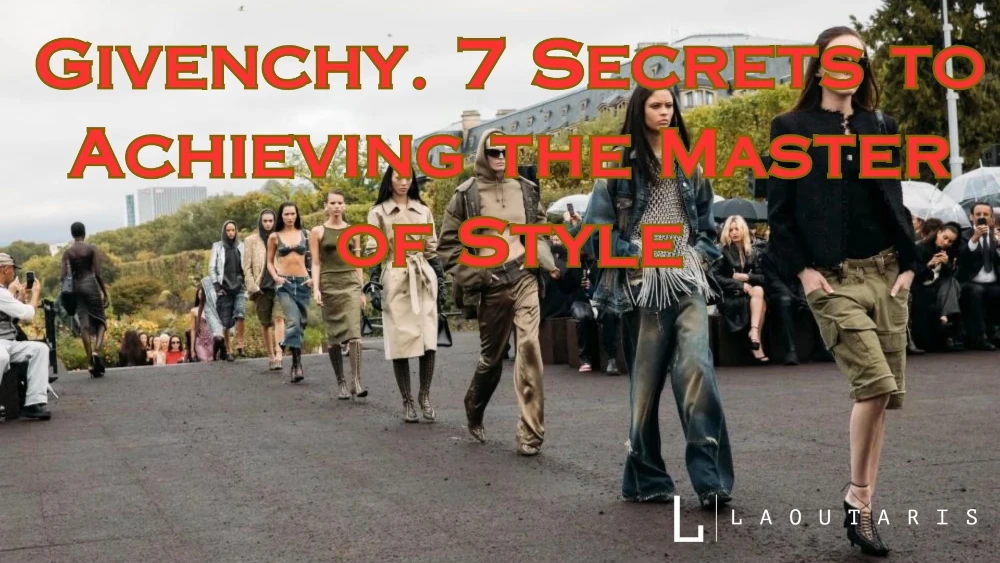
Explore the world of Haute Couture through the eyes of legendary designer Hubert de Givenchy — and see how the house he founded in 1952 is being reinvented today under Creative Director Sarah Burton.
Table of Contents
The average reading time is 14 minutes. The article was last updated on 04/07/2026.
Quick Facts
| Fact | Detail |
|---|---|
| Full name | Hubert James Marcel Taffin de Givenchy |
| Born | February 20, 1927, in Beauvais, France (Britannica) |
| Died | March 10, 2018, near Paris, aged 91 (Britannica) |
| House founded | 1952, at 8 Rue Alfred de Vigny, Paris (System Magazine) |
| Signature muse | Audrey Hepburn (Wikipedia) |
| Owner since | LVMH, acquired in 1988 (Astro-Databank) |
| Current Creative Director | Sarah Burton, appointed September 2024 (LVMH) |
| Parent division | LVMH Fashion & Leather Goods, €37.8 billion in 2025 revenue (WorldFootwear) |
The Beginnings of Hubert de Givenchy’s Career
Hubert de Givenchy was born on February 20, 1927, in Beauvais, France, into an aristocratic family; his father died when Hubert was only two years old, and he was raised largely by his mother and his maternal grandmother, who ran the historic Beauvais tapestry works (Britannica; Wikipedia). At 17, he moved to Paris to study at the École des Beaux-Arts and quickly abandoned an early interest in law for fashion, apprenticing with Jacques Fath and later working for Robert Piguet, Lucien Lelong, and the surrealist provocateur Elsa Schiaparelli, for whom he directed the boutique line (System Magazine).
In 1952, at 25, he opened his own house on Rue Alfred de Vigny. His debut collection, nicknamed “Les Séparables,” consisted of interchangeable cotton skirts and blouses — a radical, youthful departure from the era’s stiff formality — and was praised immediately by Vogue (Wikipedia). The collection introduced the Bettina blouse, a high-collared cotton shirt named after the era’s top model, Bettina Graziani, which became one of the decade’s most copied garments (Wikipedia).
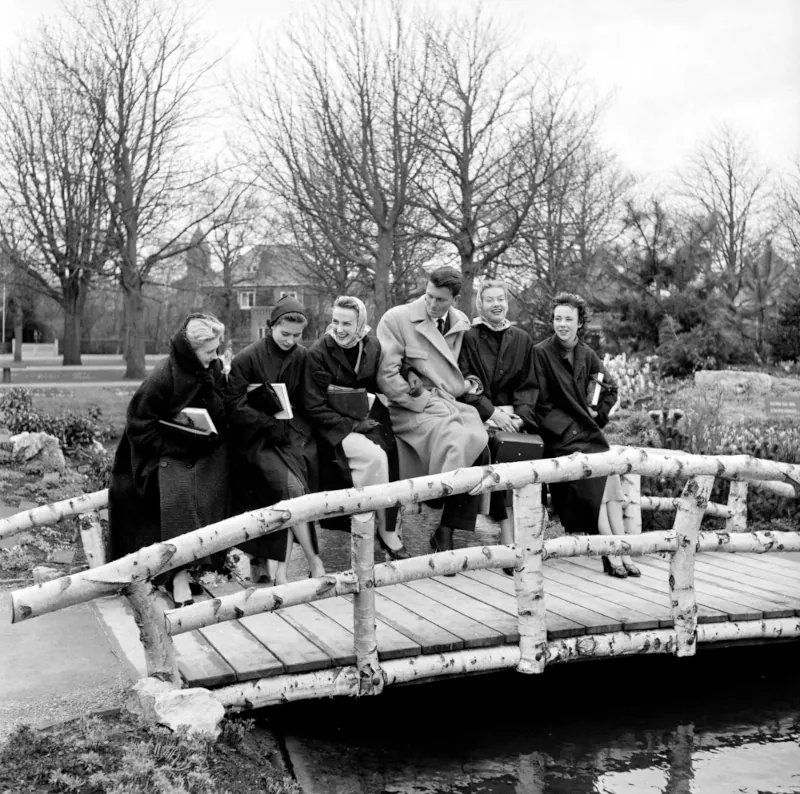
Two years later, in 1954, Givenchy became the first couturier to launch a genuine luxury ready-to-wear line, Givenchy Université, produced in Paris on American-imported machinery for a growing, style-hungry middle class (Wikipedia). That same year he also introduced fashion’s first shirt dress, a precursor to the waistless “sack” silhouette he would help popularize a few seasons later.
His first meeting with Audrey Hepburn, arranged for what he believed would be a fitting with Katharine Hepburn, took place in 1953 ahead of Sabrina (1954); the case of mistaken identity became one of fashion’s most famous origin stories and the start of a 40-year collaboration (Wikipedia). Givenchy would go on to dress Hepburn both on- and off-screen, in films including Funny Face (1957), Love in the Afternoon (1957), Breakfast at Tiffany’s (1961), Charade (1963), Paris When It Sizzles (1964), and How to Steal a Million (1966).
His early career was defined by simple, refined design, impeccable craftsmanship, and close attention to what his clients actually needed to wear — principles that guided the house long after his own tenure ended.
The Rise of Hubert de Givenchy in the Haute Couture World
His ascent through haute couture was swift. Where contemporaries like Christian Dior leaned into dramatic, structured silhouettes, He’s early work stood out for restraint: clean lines, luxurious but understated fabrics, and a focus on the wearer rather than the spectacle.

As his daywear reputation grew, he expanded into evening wear, and his gowns became fixtures of high society and, eventually, the red carpet. Grace Kelly, Jacqueline Kennedy, and above all Audrey Hepburn helped cement his standing as a designer of choice for the era’s most photographed women.
In 1953, he met the Spanish couturier Cristóbal Balenciaga, who became a mentor and close friend; the two designers showed collections together in New York in 1956 as a charity gala for the American Hospital of Paris, and their design languages influenced each other for decades (System Magazine; A Couture House).

Masterpieces of Hubert de Givenchy
Across four decades, he produced a run of designs that are still studied and referenced today. The table below walks through the most significant, with a fact-check on dates and details.
| Design | Year | Details |
|---|---|---|
| Bettina blouse | 1952 | A high-collared, long-sleeved cotton blouse from his debut collection, named for model Bettina Graziani; instantly one of the decade’s most-copied pieces (Wikipedia). |
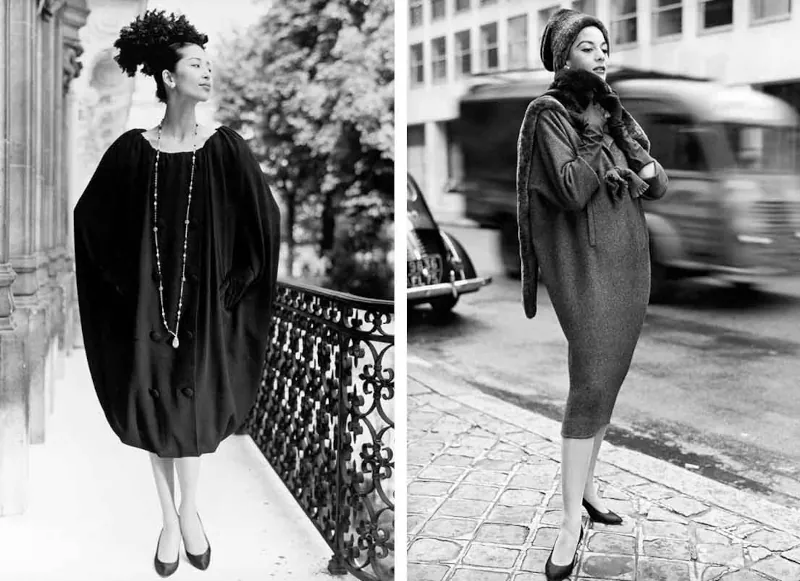
| Shirt dress / “sack” silhouette | 1954–1957 | Givenchy debuted the first shirt dress in 1954; by 1957 he and Balenciaga had jointly popularized the loose, waistless “sack” silhouette, a sharp break from the hourglass shapes of the early 1950s (Britannica). |
| L’Interdit | 1957 | A floral aldehyde perfume created for Audrey Hepburn’s personal use and later released commercially — one of the first celebrity-fronted fragrances (System Magazine). |
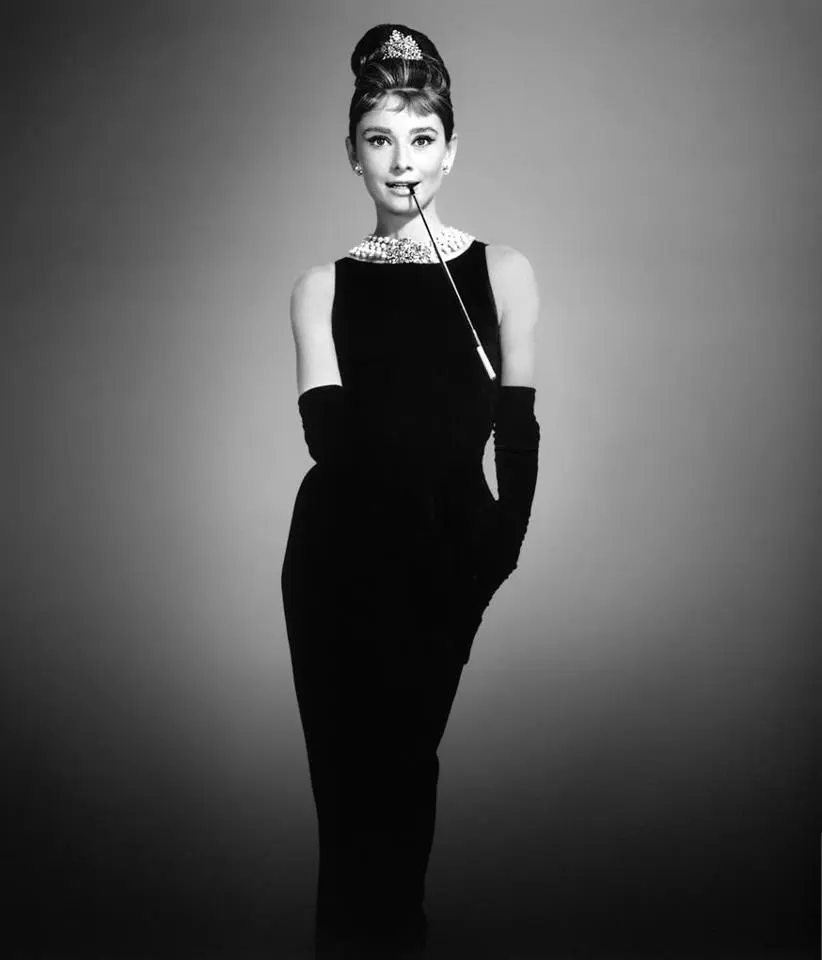
| The “little black dress” | 1961 | The sleeveless black satin gown worn by Audrey Hepburn in the opening scene of Breakfast at Tiffany’s. Note: this is a separate design from the 1957 “sack dress” — the two are often mixed up, but Christie’s auction records and costume historians confirm the LBD was a fitted, floor-length sheath with a cut-out back, not a waistless shift (Wikipedia). A surviving copy sold at Christie’s in 2006 for £467,200 (about $923,000), with proceeds going to a children’s charity in Kolkata (Wikipedia). |
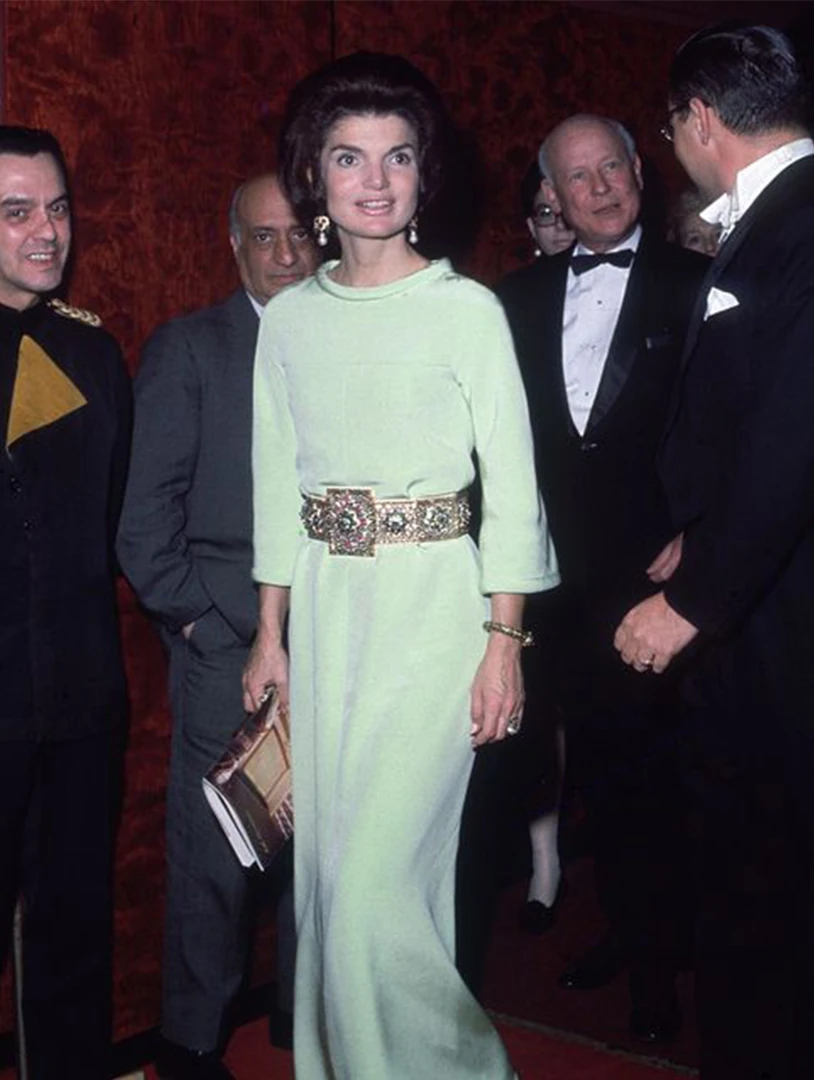
| Versailles gown for Jacqueline Kennedy | 1961 | A floral-embroidered gown worn by the First Lady on an official visit to the Palace of Versailles (Biography.com). |
| Gentleman Givenchy | 1969 | His menswear line, opened as a dedicated boutique on Avenue George V (Wikipedia). |
7 Secrets to Achieving the Master of Style
His influence on fashion is still cited by working designers today. Here are seven principles drawn from his career that any aspiring designer — or simply anyone building a personal style — can take from him:
- Treat fashion as an art form, not just a product.
- Trust your own point of view, even when it runs against the trends of the moment.
- Collaborate with other creatives — Givenchy’s closest partnerships, with Balenciaga and with Hepburn, shaped his best work.
- Develop a recognizable, personal style rather than chasing every trend.
- Design for longevity. Many of his pieces are still referenced 70 years later.
- Design for the wearer, not just the runway — flattering the woman in the garment was always his stated goal.
- Be willing to break with convention, as he did with the sack silhouette and luxury ready-to-wear.
The End of an Era: Retirement and Death
He retired from fashion design in 1995, presenting his final couture show that July (Wikipedia). He had already sold his house to LVMH in 1988 but continued designing for seven more years afterward. In retirement, he lived at the Château du Jonchet and devoted himself to collecting 17th- and 18th-century sculpture, occasionally resurfacing for retrospectives and interviews (Wikipedia).
He died on March 10, 2018, at his home near Paris, at age 91 (Britannica). He was survived by his longtime partner, fellow designer Philippe Venet (IMDb).
The Legacy of Hubert de Givenchy
His designs are remembered for their elegance, restraint, and craftsmanship — qualities that stood in deliberate contrast to the more theatrical work of some contemporaries. He was also a genuine industry pioneer: he was among the first couturiers to build a real luxury ready-to-wear business, helping to make high fashion more accessible without abandoning haute couture (Wikipedia).

Perhaps his most lasting structural legacy is one that’s easy to overlook: he proved a fashion house could keep functioning, and keep its identity, after its founder stepped away. Every major fashion house’s succession model — a rotating cast of creative directors under one enduring name — descends in part from what happened at Givenchy after 1995.
Givenchy After Givenchy: Every Creative Director
Since Hubert de Givenchy’s 1995 retirement, the house has had one of the most closely watched creative-director rosters in fashion. Here’s the full lineage, fact-checked against Britannica, Wikipedia, and trade press:
| Creative Director | Tenure | Notable moment |
|---|---|---|
| Hubert de Givenchy (founder) | 1952–1995 | Founded the house; retired after his final couture show in July 1995 (Wikipedia). |
| John Galliano | 1995–1996 | First Englishman since Charles Frederick Worth to design Paris haute couture (SHOWstudio). |
| Alexander McQueen | 1996–2001 | Brought his signature drama to the house before launching his own label full-time (Britannica). |
| Julien MacDonald | 2001–2005 | Known for glamorous, body-conscious eveningwear (Britannica). |
| Riccardo Tisci | 2005–2017 | His 12-year tenure redefined Givenchy with gothic-romantic codes and dressed Beyoncé for multiple Met Galas (Wikipedia). |
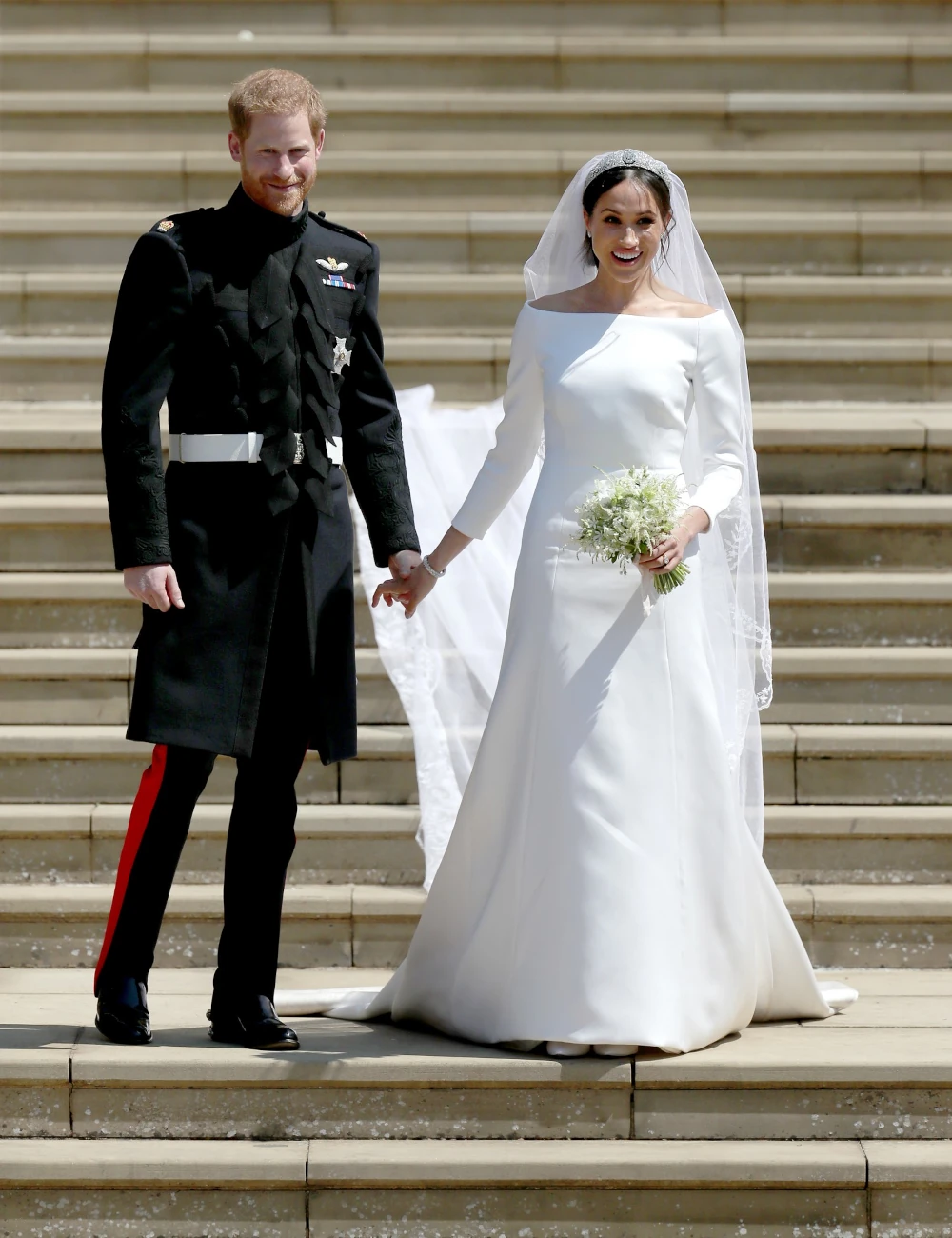
| Clare Waight Keller | 2017–2020 | First woman to lead the house; designed Meghan Markle’s wedding gown for her 2018 marriage to Prince Harry (SHOWstudio). |
| Matthew M. Williams | 2020–2024 | Co-founder of streetwear label 1017 ALYX 9SM; brought a stripped-back, hardware-driven aesthetic (Britannica). |
| Sarah Burton | September 2024–present | Former Alexander McQueen creative director (2010–2023); presented her debut Givenchy collection in March 2025 (LVMH). |
A menswear-specific note: from 2003–2007, Ozwald Boateng led Givenchy Homme before Riccardo Tisci took over menswear alongside womenswear (SHOWstudio).
Givenchy Today: The Sarah Burton Era
The house’s most significant recent change is the arrival of Sarah Burton, announced by LVMH in September 2024 as Givenchy’s fourth creative director in ten years (Business of Fashion). Burton spent 13 years as creative director of Alexander McQueen, where she designed Catherine, Princess of Wales’s wedding dress in 2011 and was awarded an OBE in 2012 for services to British fashion (Flaunt).
Her debut Givenchy collection, shown in Paris in March 2025 after a year and a half without a permanent designer at the house, drew a standing ovation. The starting point was almost accidental: during renovation work at Givenchy’s original Paris atelier, workers discovered a hidden cache of the founder’s own calico patterns from his 1952 debut collection, and Burton built her first show around that discovery, returning to simplified, 1950s-inspired tailoring rather than heavy embellishment (Business of Fashion; WWD).
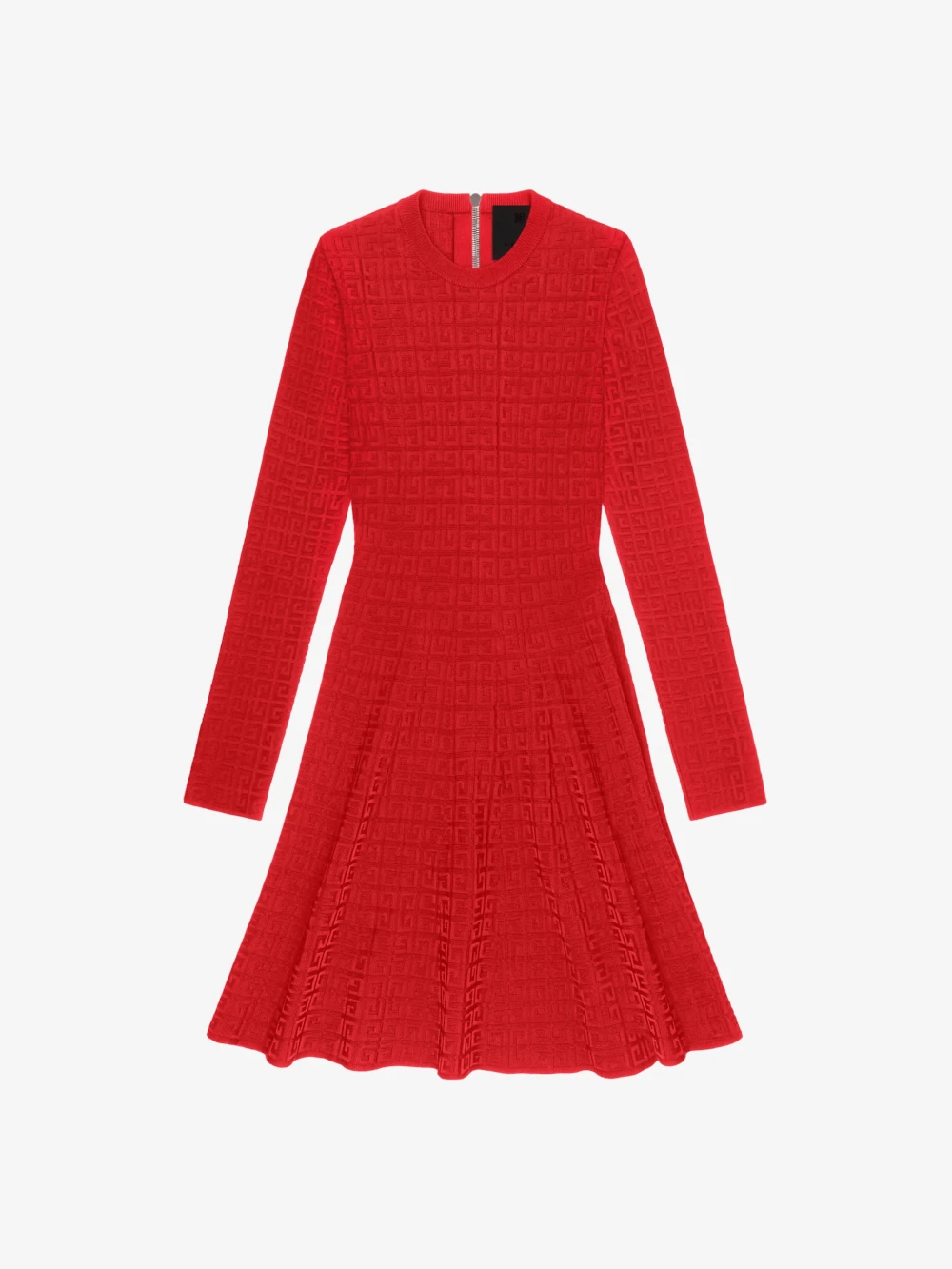
Actress Elle Fanning wore the first custom Burton-for-Givenchy couture piece — a white lace-and-tulle gown inspired by one of the rediscovered 1952 sketches — to the 97th Academy Awards in March 2025, just before the runway debut (Who What Wear). Since then, Burton has shown two further womenswear collections and a resort/menswear presentation, with critics noting her tailoring — sculptural, sensual, spiraled seams — as her clearest signature so far. Her Fall 2026 show, staged in a purpose-built structure at Les Invalides in Paris, drew on Old Master painting for its palette of black, ultramarine, garnet, and gold (W Magazine).
Recent Events and Milestones (2024–2026)
| Date | Event |
|---|---|
| September 2024 | LVMH announces Sarah Burton as Givenchy’s new Creative Director, succeeding Matthew M. Williams (LVMH). |
| March 2025 | Elle Fanning wears Burton’s first custom Givenchy couture gown to the 97th Academy Awards (Who What Wear). |
| March 7, 2025 | Sarah Burton presents her debut Givenchy collection (Fall/Winter 2025) in Paris, inspired by newly discovered 1952 archive patterns (The Glass Magazine). |
| August 2025 | Givenchy releases its first advertising campaign under Burton, shot by Collier Schorr with creative direction by Ferdinando Verderi (Fashion Times). |
| November 2025 | Rooney Mara and Paul Simonon front the Givenchy Resort 2026 campaign, offering the first look at Burton’s menswear direction (WWD). |
| February 2026 | Photographer Annie Leibovitz appears on both sides of the camera in Givenchy’s Summer 2026 campaign, “The Portrait Series III” (FashionNetwork). |
| March 2026 | Burton shows Givenchy Fall/Winter 2026 at Les Invalides, Paris, drawing on Old Master painting for its palette (W Magazine). |
| May 2026 | At the Met Gala, Beyoncé — who has worn Givenchy to five of her seven Met Gala appearances — returns to the red carpet after a ten-year absence; Bee Carrozzini also wears custom Givenchy by Sarah Burton (Marie Claire; WWD). |
Givenchy Inside LVMH: A Business Snapshot
Givenchy fashion and Parfums Givenchy both sit inside LVMH, the world’s largest luxury group, which acquired the fashion house in 1988. LVMH does not break out Givenchy’s individual revenue, but the wider divisions it belongs to give a sense of the environment the brand is operating in:
| Metric | 2025 figure | Source |
|---|---|---|
| LVMH total group revenue | €80.8 billion (down 5% reported, −1% organic) | WorldFootwear |
| Fashion & Leather Goods division revenue (Givenchy, Dior, Louis Vuitton, Fendi, Loewe, etc.) | €37.8 billion (down 8% reported) | Drapers |
| Fashion & Leather Goods operating profit | €13.2 billion (down 13%) | Drapers |
| Perfumes & Cosmetics division (includes Parfums Givenchy) | Broadly stable organically, boosted in part by a refreshed L’Interdit and Prisme Libre makeup | LVMH |
| Group net profit | €10.9 billion (down 13%) | Cosmetics Business |
2025 was a soft year across LVMH’s fashion houses as the luxury sector cooled from its post-pandemic highs, but LVMH’s leadership described the year as one of resilience, and management struck a cautiously confident tone heading into 2026 (Cosmetics Business).
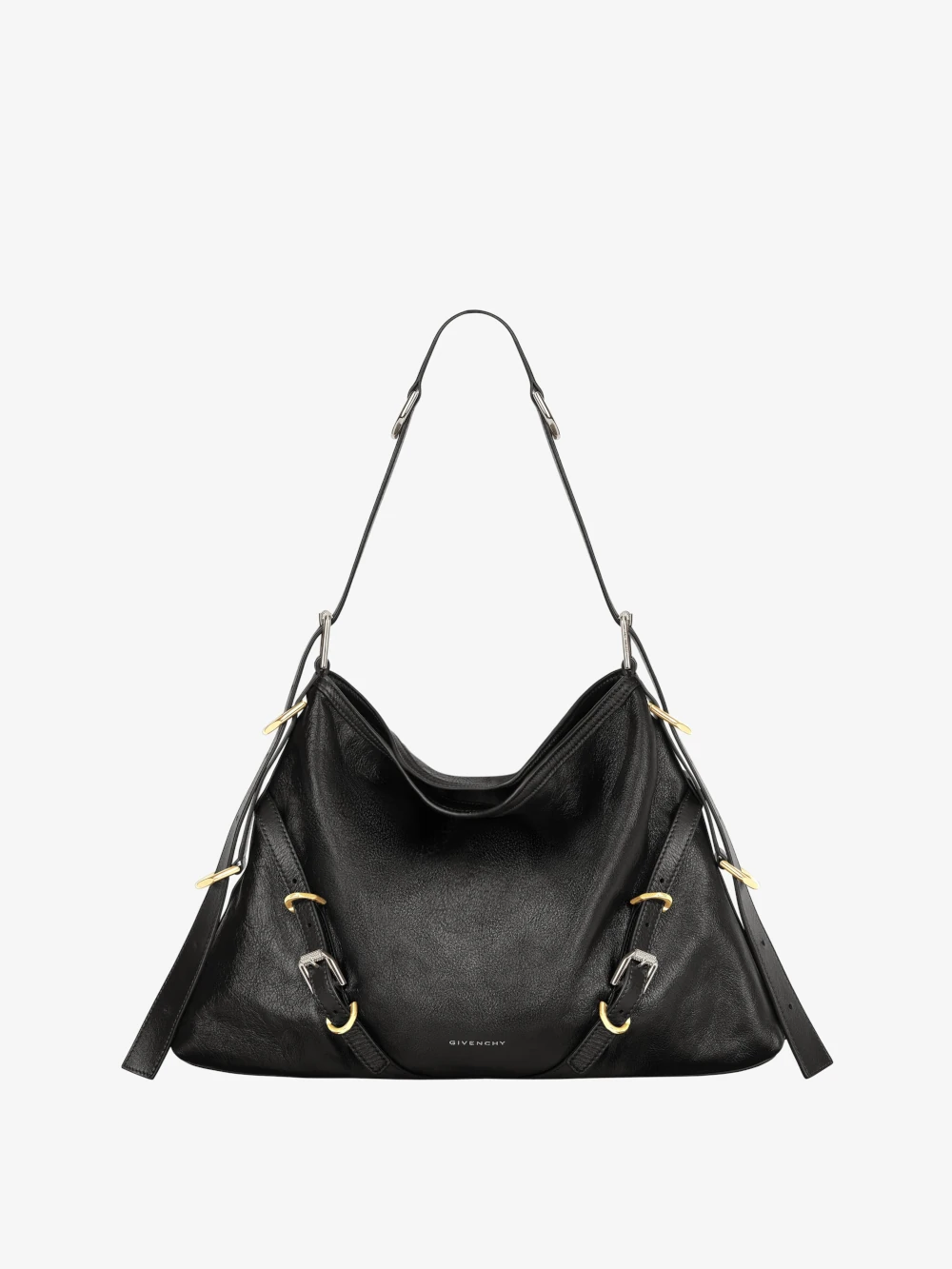
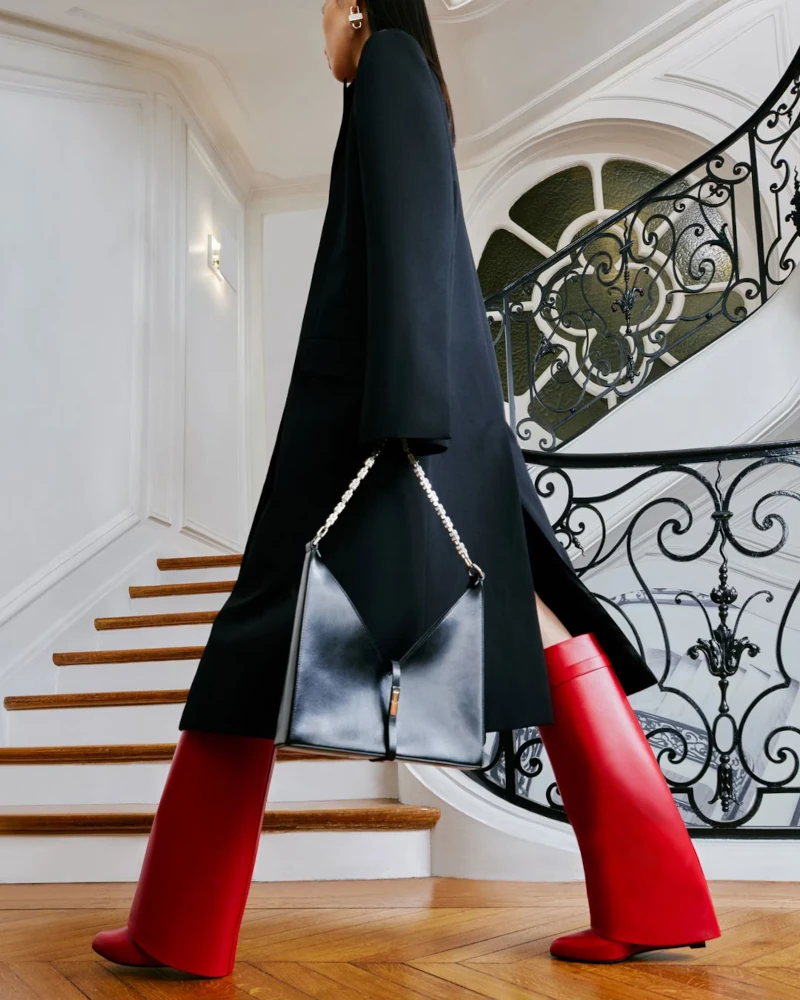
You can browse current handbags, including the Voyou line, directly at givenchy.com.
Designs for Legendary Women of Style
His client list reads like a mid-century who’s-who, and the house’s connection to iconic women has only continued under later creative directors. A short list of his most famous clients:
- Audrey Hepburn — muse and collaborator for four decades
- Jacqueline Kennedy Onassis — dressed for state occasions, including a visit to Versailles
- Grace Kelly, Princess of Monaco
- Wallis Simpson, Duchess of Windsor
- Marlene Dietrich, Greta Garbo, Lauren Bacall, and Sophia Loren
- Contemporary ambassadors of the house’s later eras, including Beyoncé and Meghan Markle (Wikipedia)
Audrey Hepburn: Givenchy’s Muse and Collaborator
Audrey Hepburn was Givenchy’s most enduring muse. The two met by accident in 1953, when he expected to be dressing Katharine Hepburn for Sabrina and instead met the then-unknown Audrey (Wikipedia). Their working relationship outlasted his active design career: he dressed her both for film roles and for her personal wardrobe until she died in 1993, and she described him as her closest friend, while he called her his sister (Vintage News).
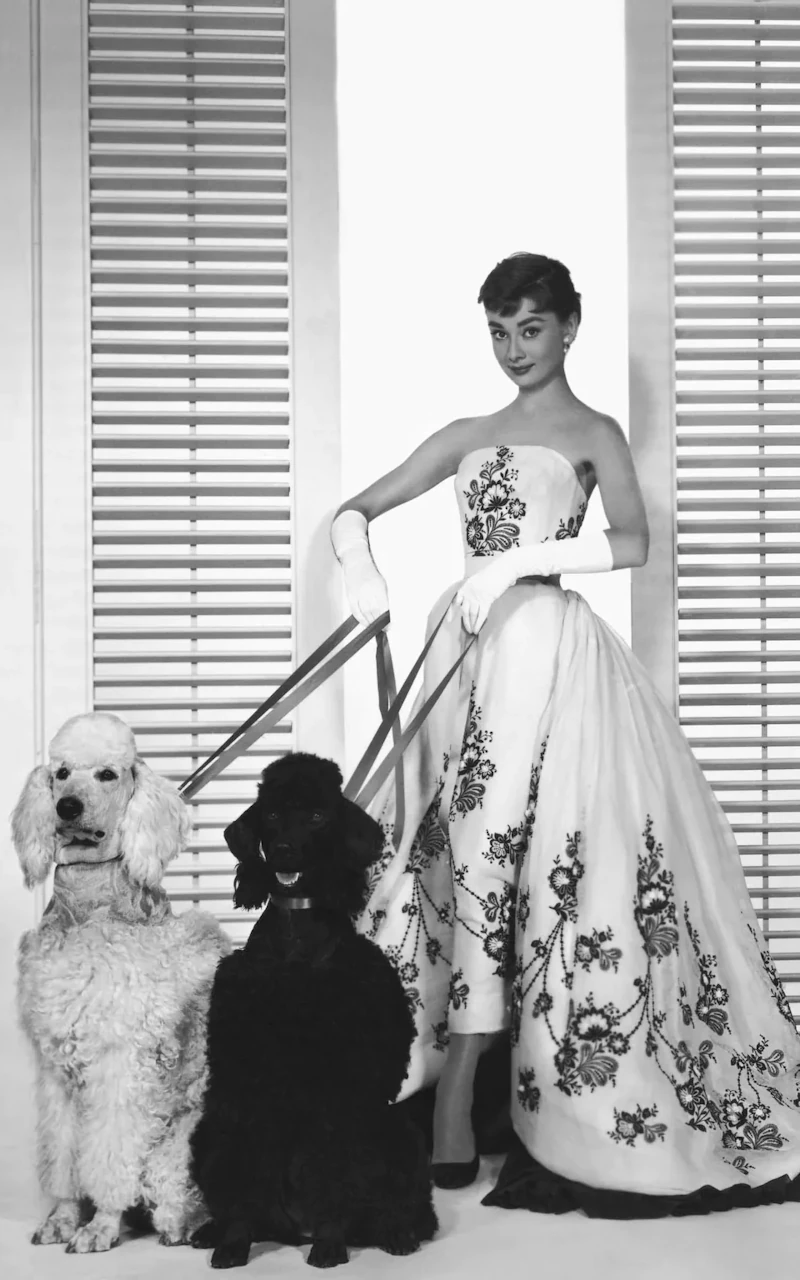
Their most famous collaboration, the little black dress from Breakfast at Tiffany’s, is now considered one of the most influential costumes in film history; a surviving copy remains in his private archive, and museum collections and auction houses continue to track pieces from their partnership (Wikipedia).
Jacqueline Kennedy: Givenchy’s Other Famous Client
As U.S. First Lady, Jacqueline Kennedy wore Givenchy for some of her most photographed public appearances, including the 1961 state visit to the Palace of Versailles (Biography.com).
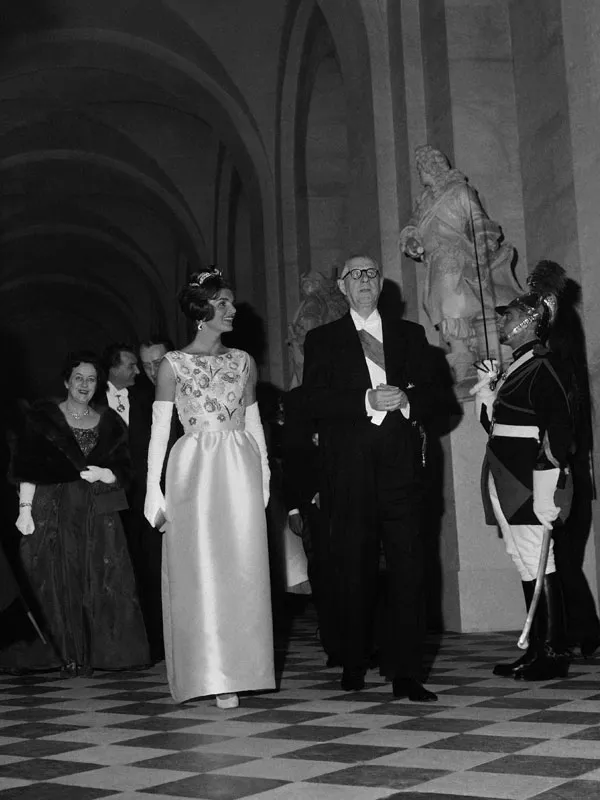
Her patronage, alongside Hepburn’s and Kelly’s, helped establish Givenchy internationally as a house that dressed powerful, independent women rather than simply following the runway trends of the day.
Beyoncé and a New Generation of Givenchy Women
The house’s connection to headline-making women didn’t end with Givenchy’s retirement. Beyoncé has worn Givenchy to five of her seven Met Gala appearances, including a latex, nude-toned “naked dress” that predated the current trend by years (Marie Claire). In 2018, Meghan Markle wore a Clare Waight Keller-designed Givenchy gown for her wedding to Prince Harry, reintroducing the house to a global television audience (SHOWstudio). Most recently, at the 2026 Met Gala, Beyoncé returned to the red carpet after a decade away, while Bee Carrozzini wore a custom Sarah Burton-designed Givenchy look on the same night (WWD).
Conclusion
Hubert de Givenchy’s contribution to fashion was significant and enduring. Over four decades, he built a reputation for elegant, restrained, impeccably crafted clothing, at a moment when many of his peers were chasing spectacle. He was among the first designers to build a genuine luxury ready-to-wear business, helping widen access to high fashion, and his decades-long partnership with Audrey Hepburn produced some of the most referenced costumes in film history.
Just as importantly, his house proved something structural: that a fashion label could keep its identity and its business running long after its founder stepped back. Eight creative directors — from John Galliano and Alexander McQueen to Riccardo Tisci, Clare Waight Keller, Matthew M. Williams, and now Sarah Burton — have each reinterpreted the codes Givenchy established in the 1950s, while the house has weathered ownership changes, shifting consumer tastes, and, in 2025, a broader slowdown across the luxury sector.
Under Sarah Burton, Givenchy is now in the early chapters of its next era — one that, fittingly, began by returning to patterns Hubert de Givenchy himself cut in 1952.
Check out the official Givenchy website here.

Pashalis Laoutaris
I am a professional writer, fashion blogger, and the owner of https://laoutaris.com. I have over 20 years of experience as a salesperson and 10 years of experience as a fashionista. I write daily blog articles about fashion, tools, converters, and everything you need to know about current trends.Laoutaris recommends