
With the help of our incredibly detailed hat size calculator, you can guarantee the ideal fit for any piece of headwear.
Effortlessly convert international sizing metrics for a flawless, customized fit on your head. The days of suffering through uncomfortably tight or awkwardly loose hats are officially over, and ultimate headwear happiness has finally arrived!
Table of Contents
Last update: 07/07/2026
Finding the proper fit for your head is crucial because hats come in various styles and dimensions. Finding the appropriate hat size can be difficult, especially when purchasing anything online when you cannot try it on ahead of time.
Introduction to Ultimate Hat Sizing
Finding the right hat fit is crucial because hats come in a vast array of styles, sizes, and shapes. This diverse world of headwear can feel overwhelming, as Wikipedia’s comprehensive overview of headwear history notes that hats have served important functional and cultural roles for millennia.
Determining the correct hat size is especially difficult when shopping online, where you cannot try items on beforehand. Forbes on e-commerce consumer behavior confirms that sizing uncertainty is the leading cause of abandoned accessory purchases.
solve this frustration, we created this ultimate guide to explain every aspect of hat sizing—from traditional measurements to digital conversions. GQ Magazine’s accessory styling department consistently emphasizes that precise measurements are the best way to build a functional, sophisticated wardrobe.
Why Finding Your Perfect Hat Size is Essential
Wearing an ill-fitting hat is more than a fashion mistake—it can cause real physical discomfort and health issues. A too-tight hat constricts blood vessels on the scalp and puts excessive pressure on the forehead and temples. According to the Mayo Clinic, external compression from tight headwear is a documented cause of severe tension headaches.
Prolonged wear of tight hats can also damage hair follicles through constant friction and pulling from the brim or sweatband. Healthline regarding traction alopecia shows that reducing unnecessary scalp tension is essential for preserving hair thickness.

Conversely, an oversized hat creates its own practical problems. It slips down over your eyes, obstructing vision and requiring constant adjustments. Meteorologists and safety experts at The Weather Channel note that even a light wind can send a loose hat flying, creating a hazard.
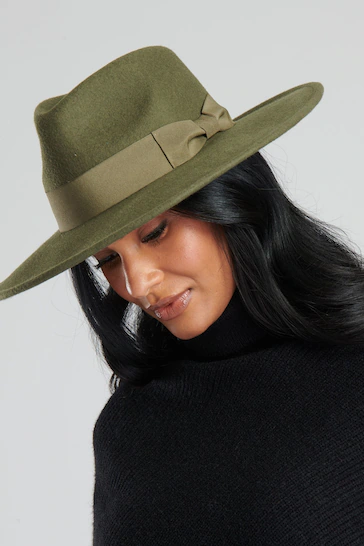
From a style perspective, the correct hat size ensures the accessory harmonizes with your facial features and body proportions. A well-fitted hat sits about half an inch above the ears and flush across the mid-forehead, projecting refined elegance. Editors at Vogue Magazine emphasize that precise accessory sizing is what elevates an outfit from ordinary to exceptional.
Finally, accurate sizing significantly improves the hat’s longevity and structural integrity. Forcing a too-small hat stretches the materials and distorts its shape. Garment care professionals at The Spruce highlight that proper fit prevents fabric strain, protecting your investment so the hat lasts for years.
Understanding the Anatomy of a Hat
To understand proper hat fit, you first need to know the key terminology used by professional haberdashers and milliners. The foundational elements of hat construction are well explained by the experts at the Village Hat Shop, who note that each part plays a specific role in how the hat interacts with your head.
The Crown is the main vertical body that covers the top of your head. Crowns vary in height and shape (such as teardrop or center-dent). A Wikipedia entry on hat crowns explains these features determine how deeply the hat sits on your skull and how much space remains above your hair.

The Brim is the horizontal projecting edge circling the bottom of the crown. Its width and curve affect both style and protection. The Skin Cancer Foundation emphasizes that the brim’s design is crucial for shielding your eyes and neck from harmful UV radiation.
Inside the base of the crown lies the Sweatband, typically made of leather or moisture-wicking fabric. This internal ring makes direct contact with your forehead and temples, serving as the primary anchor for fit. REI’s expert gear guides highlight that high-performance brands use advanced wicking materials here to prevent slippage and chafing.

Many hats include a Pinch or crease at the front and sides of the crown, designed for easy on-and-off wear. The Gentleman’s Gazette notes this is an important element of classical sartorial etiquette.
Encircling the base of the crown is the Hatband—a decorative ribbon, leather strap, or cord that conceals the stitching between crown and brim. Professional millinery techniques for securing these bands are covered in courses like those on MasterClass.

Finally, premium hats often have an interior Liner made of silk, satin, or breathable cotton for added comfort against the scalp. Textile Exchange specialists explain that the quality and breathability of this lining greatly affect heat retention and overall comfort.
Step-by-Step Guide: How to Measure Your Head Properly
Hat sizes are fundamentally based on exact head circumference, so capturing this geometric measurement accurately is the most critical step in your purchasing journey. To begin, you must absolutely secure a flexible, non-stretch fiberglass or tailor’s measuring tape, which is heavily recommended by WikiHow’s extensive guides on taking accurate bodily measurements.
If you do not currently possess a professional flexible measuring tape, a piece of durable, non-elastic string or thick sewing thread can serve as an excellent temporary substitute. You can meticulously wrap the string around your head to capture the circumference and then lay it completely flat against a standard metal carpenter’s ruler, a clever workaround frequently suggested by the DIY crafting experts at eHow.
Once you have your measuring tool ready, meticulously find the part that protrudes the absolute most at the back of your head, known anatomically as the occipital bone. Connect this specific rear point to the most outwardly protruding part of your front forehead using the measuring tape, a critical anatomical landmark highlighted in Stetson’s official master sizing guide.
As you carefully wrap the tape around your cranium, ensure that you are deliberately leaving a small spatial gap of approximately 0.4 to 0.8 inches (1 to 2 centimeters) directly above your ears. This exact positioning perfectly mimics where the internal sweatband of a high-quality, professionally tailored hat will naturally rest, according to the bespoke styling rules of Esquire Magazine.
When you complete the circumference and the two ends of the tape meet, make sure that the tape is sitting comfortably snug but not pulled painfully tight against the skin. You should easily be able to slip the tip of your pinky finger underneath the tape measure to ensure adequate breathing room, a classic tailor’s trick heavily endorsed by Hats.com’s measurement tutorials.

Finally, carefully write down the exact resulting numerical measurement in both imperial inches and metric centimeters to avoid any confusing mathematical conversion errors later. Because human error is incredibly common in self-measurement, ScienceDirect’s engineering resources on measurement error strongly suggest repeating the entire wrapping process at least three times to mathematically calculate a perfectly accurate average.
Comprehensive Adult Hat Size Chart
Once you have meticulously recorded your exact head circumference, it is time to cross-reference your personal data with standard global sizing benchmarks. The meticulously compiled table below acts as a universal Rosetta Stone for headwear, a concept deeply inspired by the comprehensive standardization tables hosted by the National Institute of Standards and Technology (NIST).
Be highly cautious and vigilant when shopping across international borders, as American hat sizes mathematically calculate to slightly greater numerical values than traditional British fractional sizes. This historical divergence in manufacturing mathematics is thoroughly chronicled by the historians at the British Hat Works Museum, highlighting the need for reliable conversion charts.
| Head Circumference | International Size | US Size | UK Size |
|---|---|---|---|
| 20.5 in / 52 cm | XS | 6 1/2 | 6 3/8 |
| 20.9 in / 53 cm | XS | 6 5/8 | 6 1/2 |
| 21.3 in / 54 cm | S | 6 3/4 | 6 5/8 |
| 21.7 in / 55 cm | S | 6 7/8 | 6 3/4 |
| 22.0 in / 56 cm | M | 7 | 6 7/8 |
| 22.4 in / 57 cm | M | 7 1/8 | 7 |
| 22.8 in / 58 cm | L | 7 1/4 | 7 1/8 |
| 23.2 in / 59 cm | L | 7 3/8 | 7 1/4 |
| 23.6 in / 60 cm | XL | 7 1/2 | 7 3/8 |
| 24.0 in / 61 cm | XL | 7 5/8 | 7 1/2 |
| 24.4 in / 62 cm | XXL | 7 3/4 | 7 5/8 |
| 24.8 in / 63 cm | XXL | 8 | 7 3/4 |
| 25.2 in / 64 cm | XXXL | 8 1/8 | 7 7/8 |
When consulting this detailed table, if your precise measurement falls directly in between two standard sizes, you should universally opt to size up rather than strictly sizing down. This invaluable sizing philosophy is championed by custom milliners reviewed in the Business Insider retail section, as a slightly loose hat can easily be padded, whereas a tight hat will constantly cause severe pain.
Children’s Hat Size Chart and Growth Sizing
Fitting hats properly for infants, toddlers, and young children requires an entirely distinct approach because pediatric skulls grow and expand at a remarkably rapid, unpredictable rate. Pediatricians and developmental experts publishing data in Parents Magazine note that a child’s head circumference increases most dramatically during their first twelve months of life.
Because of this constant and rapid physical growth, international sizing standards for children are almost exclusively categorized by general age brackets rather than rigid, precise fractional measurements. However, because child development varies so widely, clothing reviewers at Scary Mommy strongly advise caregivers to continuously measure the child’s actual head rather than blindly trusting the printed age label.
| Age Bracket | Average Head Circumference | Generic Size Label |
|---|---|---|
| Preemie | Under 14 in / Under 35.5 cm | XXS |
| Newborn (0-3 Months) | 14 – 15 in / 35.5 – 38 cm | XS |
| Infant (3-6 Months) | 15 – 17 in / 38 – 43 cm | S |
| Baby (6-12 Months) | 17 – 18.5 in / 43 – 47 cm | M |
| Toddler (1-3 Years) | 18.5 – 20 in / 47 – 51 cm | L |
| Child (4-8 Years) | 20 – 21.5 in / 51 – 54.5 cm | XL / Youth S |
To maximize the functional lifespan of pediatric headwear, it is incredibly wise to seek out styles that feature internal adjustable drawstrings, elastic bands, or sturdy Velcro closures. These brilliant, growth-accommodating design features are heavily praised by family lifestyle bloggers at Good Housekeeping, as they save parents substantial amounts of money by allowing the hat to stretch with the child.
Decoding International Hat Size Standards
The highly fragmented nature of global hat sizing can trace its complicated origins back to the deeply localized manufacturing traditions of the 19th-century industrial revolution. The American fractional system (e.g., 7 1/8) mathematically represents the rough physical diameter of the head in inches, a historical calculation method thoroughly documented by researchers at the Smithsonian Institution.
Conversely, the traditional British fractional sizing system operates on a nearly identical mathematical premise but utilizes slightly different base measurements, typically resulting in a size exactly one-eighth smaller than its American counterpart. This subtle but crucial discrepancy frequently confuses international buyers, an issue frequently analyzed by global supply chain experts reporting for The Financial Times.

The European mainland, gracefully avoiding complex fractional mathematics entirely, utilizes a remarkably straightforward metric system based purely on the direct circumference of the head in centimeters (e.g., 58 cm). The absolute simplicity and universal accuracy of this metric approach is why global standardization organizations, detailed extensively by the International Organization for Standardization (ISO), heavily prefer centimeter-based measurements for modern apparel.
How to use our hat size calculator
To entirely eliminate the frustrating mental gymnastics of cross-referencing multiple complex mathematical charts, we have custom-built a highly responsive digital hat size calculator. This elegant software tool utilizes standard conditional JavaScript logic to instantly provide your perfect size across multiple global standards, demonstrating programming concepts easily learned via W3Schools’ coding tutorials.
How to use the digital tool carefully: Simply input the precise mathematical circumference of your measured head into the clearly marked text field, ensuring you accurately select either centimeters or inches from the dropdown menu. If you are specifically utilizing imperial inches, please carefully use the format 7.5 (for 7 1/2) or its decimal equivalents to ensure the HTML processor functions correctly.
Hat Size Converter
Please input the circumference of your head:
Only use this calculator for reference. Fit varies based on the manufacturer, construction, and materials.
If you like fedora hats, check out our articles about fedora hats for women here.
Matching Hat Styles to Your Face Shape
Securing the numerically correct size is only one half of the ultimate headwear equation; visually matching the geometric shape of the hat to your unique facial structure is equally vital. Highly trained celebrity stylists and makeup artists routinely utilize complex facial proportion theory, beautifully explained in Byrdie’s definitive beauty and face shape guide, to select flattering accessories.
Individuals possessing beautifully balanced Oval faces are generally considered to have the most mathematically versatile facial geometry, easily accommodating virtually any crown height or brim width. Because the oval jawline is naturally proportionate, beauty editors at Cosmopolitan Magazine highly encourage these individuals to freely experiment with deeply dramatic styles like wide-brimmed floppy hats or structured boaters.

For those with distinctly Round faces, the core stylistic objective is to create powerful vertical illusions that aggressively elongate the visual appearance of the head and soften the cheeks. Achieving this optical lengthening requires selecting hats with tall, sharp crowns and angular, asymmetrical brims, a brilliant optical trick frequently utilized by the grooming experts at Men’s Health.
Wearers highlighting strong, sharp Square faces feature prominent, highly chiseled jawlines and wide, commanding foreheads that naturally dominate their appearance. To beautifully soften these intense geometric angles, style directors at InStyle Magazine strongly recommend utilizing hats with deeply curved, sweeping silhouettes, such as classic bowler hats or soft, round-crown cloches.
Those possessing delicate Heart-shaped faces exhibit a broad, sweeping forehead that dramatically tapers down into a highly pointed, narrow chin. To flawlessly balance this top-heavy visual proportion, fashion journalists writing for Glamour’s style desk suggest avoiding overly massive brims and instead opting for medium-brimmed fedoras or subtly tilted berets that draw attention inward toward the eyes.
| Your Face Shape | Key Physical Characteristics | Most Flattering Hat Styles | Styles to Generally Avoid |
|---|---|---|---|
| Oval | Length is 1.5x width, balanced jaw. | Fedoras, Beanies, Floppy Sun Hats, Boaters. | Excessively tall crowns that over-elongate. |
| Round | Width and length are equal, soft jaw. | Trilbies, Angular Fedoras, High-crown Panamas. | Cloches, Bowlers, tightly fitted Beanies. |
| Square | Strong, wide jawline and broad forehead. | Bowler hats, Curvy Floppy Hats, Berets. | Flat-top boaters, severely angled geometric brims. |
| Heart | Wide forehead tapering to a sharp chin. | Medium-brimmed fedoras, Cloches, Baseball Caps. | Extremely wide brims that exaggerate the forehead. |
Popular Types of Hats and Sizing Nuances
Understanding the profound historical context and unique physical construction of various hat styles heavily informs exactly how they should appropriately fit upon your head. The iconic Fedora, traditionally featuring a deeply indented crown and a flexible brim, historically represents the absolute pinnacle of mid-century masculine elegance, as documented by Wikipedia’s extensive history of the Fedora.
The uniquely British Trilby is essentially a highly compacted, much narrower variant of the traditional fedora, featuring a drastically shorter brim that is permanently snapped upward at the rear. Because the trilby inherently sits much higher and further back on the cranium, European styling guides published by GQ UK note that you may occasionally require a slightly tighter fit to prevent backward slippage.

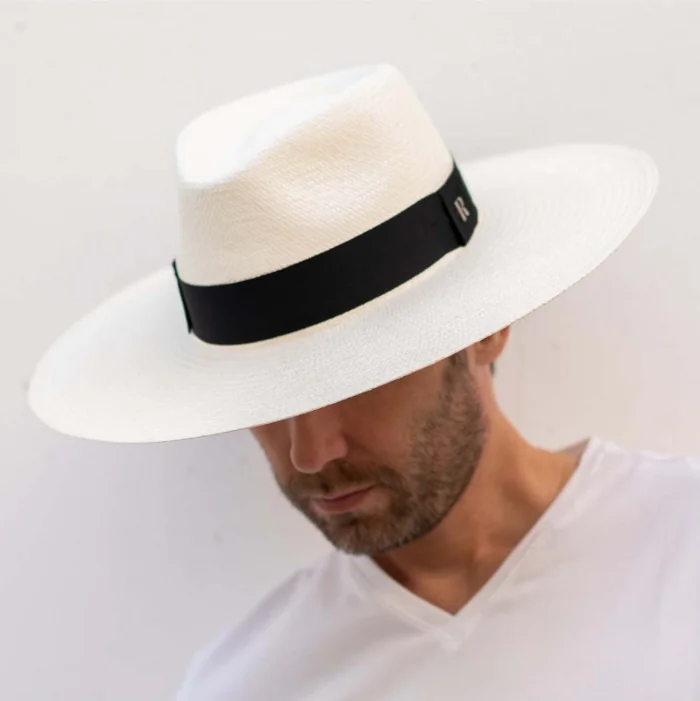
The genuinely authentic Panama Hat, despite its highly misleading geographic moniker, is traditionally hand-woven exclusively in the high-altitude regions of Ecuador from incredibly delicate toquilla palm straw. Because the artisanal weaving process is so culturally significant—officially recognized as an intangible cultural heritage by UNESCO’s historical preservation committees—these handmade straw masterpieces often feature slight millimeter variations in sizing, requiring careful physical fitting.
The ubiquitous modern Baseball Cap, originally engineered exclusively for athletic sun protection on the sporting diamond, has rapidly evolved into the most universally worn headwear globally. When attempting to meticulously size rigid, non-adjustable fitted baseball caps, sports apparel specialists at Lids Headwear strongly urge consumers to strictly adhere to precise fractional inch measurements to prevent painful forehead indentations.
The essential winter Beanie, crafted from highly elastic knitted yarns, aggressively hugs the exact contours of the skull to maximize crucial heat retention in freezing climates. Due to the extreme, inherently stretchy nature of knit fabrics, winter weather fashion guides curated by Vogue’s cold-weather editors clarify that beanies are almost universally sold as a deeply forgiving “One Size Fits Most” garment.
The distinguished, low-profile Flat Cap, historically heavily associated with the working-class industrial citizens of Northern England, has recently experienced a massive global resurgence in mainstream popularity. This explosive modern revival, deeply analyzed by cultural television critics at the BBC covering the Peaky Blinders phenomenon, proves that perfectly sizing a flat cap is crucial; it must sit perfectly flush against the back of the head without dramatically ballooning over the ears.
How Materials Affect Your Hat’s Fit
The specific raw textiles and structural materials utilized in manufacturing a hat fundamentally dictate how the accessory will dynamically respond to moisture, heat, and physical wear over time. Textile scientists and structural fabric engineers at Textile School emphasize that organic fibers possess natural memory and elasticity, causing them to subtly change exact dimensional size based entirely on environmental humidity and temperature.
Premium traditional hats are predominantly crafted from deeply compressed Fur Felt or Wool Felt, materials revered for their incredible durability and rich, luxurious texture. As detailed comprehensively in Wikipedia’s encyclopedic entry on felt making, these tightly interlocked animal fibers have an intense natural tendency to heavily shrink when violently exposed to severe rain or intense artificial heat, meaning a perfectly sized wool hat might become painfully tight if improperly dried.

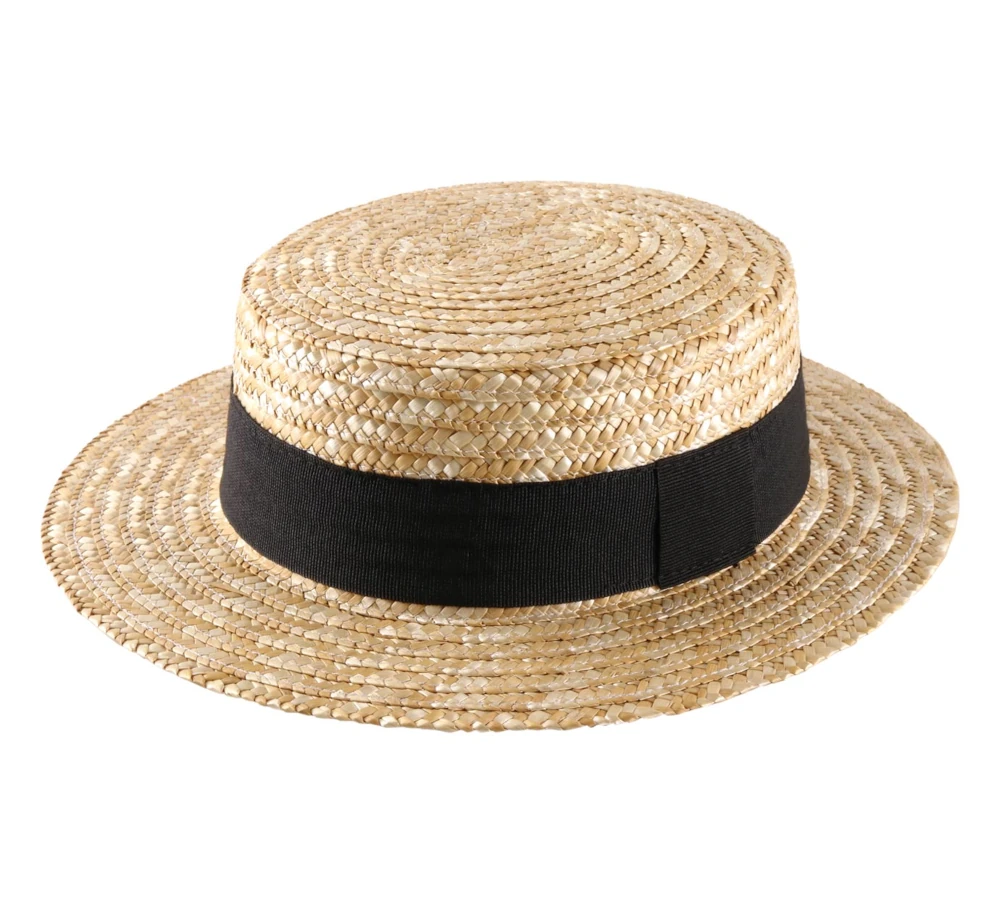
Summer headwear relies heavily on woven Straw, Raffia, or highly specialized modern Paper Braids to provide maximum cooling ventilation while blocking punishing solar rays. However, as noted by the botanical agricultural specialists cataloging plant fibers on Wikipedia’s Straw Hat page, natural straw is incredibly brittle when utterly dry and can violently snap or permanently deform if forcefully stretched onto a severely oversized head.
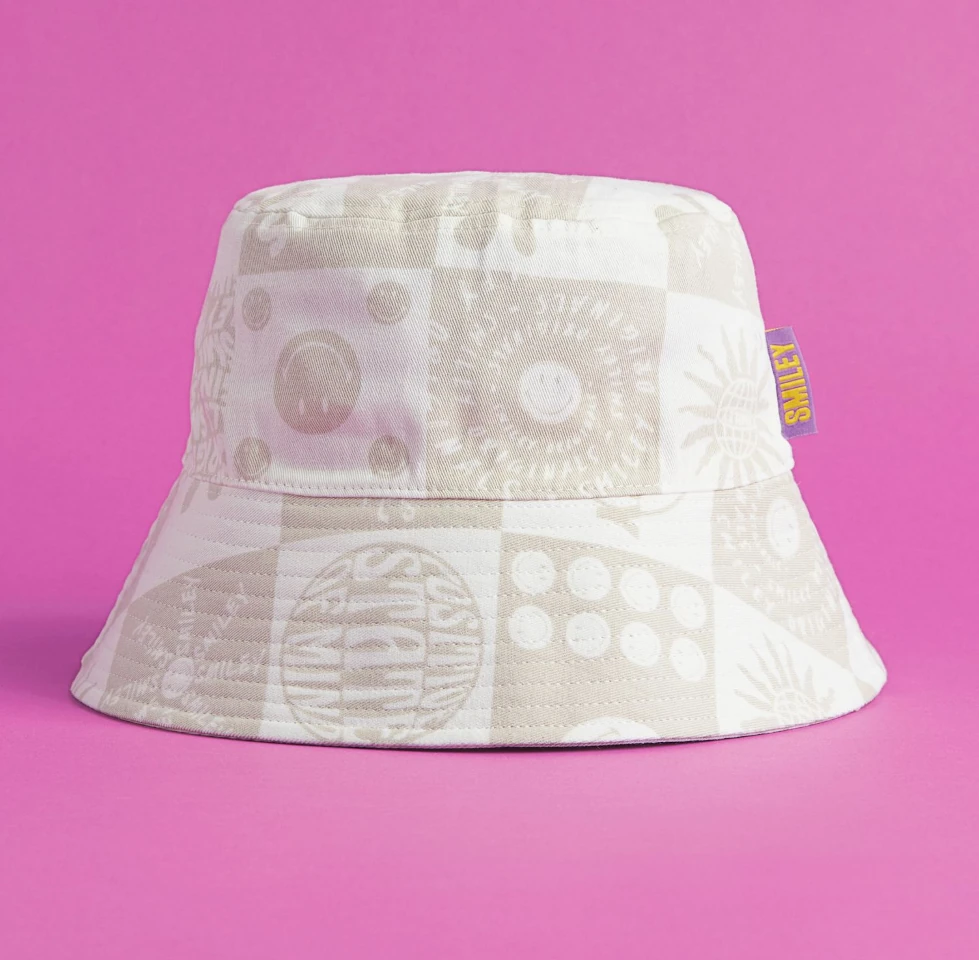
Casual athletic caps and rugged outdoor bucket hats are almost exclusively constructed from heavily woven Cotton Twill or rugged Canvas blends, ensuring immense durability and easy machine washability. Research conducted by agricultural fabric specialists at Cotton Incorporated indicates that while pre-shrunk cotton canvas holds its precise dimensional shape remarkably well, repeated aggressive hot-water laundering will inevitably cause microscopic fiber contraction and gradual sizing reduction.
Finally, deeply rugged luxury hats crafted from genuine animal Leather demand incredible respect regarding sizing, as the porous animal hide physically expands and uniquely molds to the exact micro-contours of the wearer’s skull over months of continuous use. Leatherworking artisans featured in GQ’s definitive guide to leather accessories consistently recommend buying high-quality leather hats slightly snug, explicitly allowing the natural body heat to organically stretch and customize the final bespoke fit.
Troubleshooting: Adjusting a Hat That Fits Poorly
Even with the most meticulous and exhaustive mathematical measurements, you may occasionally find yourself possessing a stunning, highly expensive hat that simply does not fit your head correctly. If the crown is frustratingly tight and actively causing throbbing headaches, you can securely utilize a mechanical wooden hat stretcher to gently and gradually expand the rigid sweatband, a highly effective technique exhaustively demonstrated by the DIY community on WikiHow.
Conversely, if your beloved hat is obnoxiously loose and aggressively rattling around your skull, there is a remarkably simple, inexpensive, and entirely invisible structural fix. Millinery professionals heavily advise discreetly inserting highly specialized adhesive foam sizing tape directly underneath the interior leather sweatband to securely pad the empty circumference, a brilliant customization trick highly recommended by Village Hat Shop’s accessory experts.
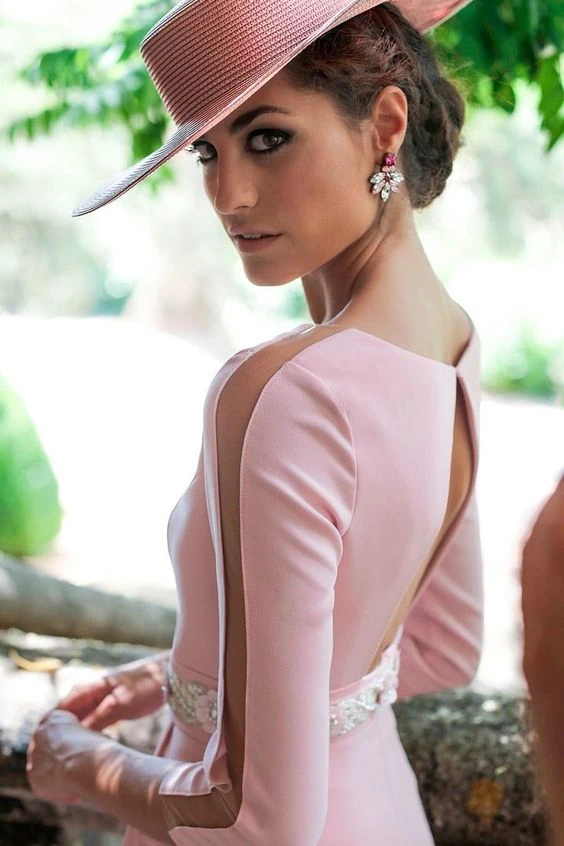
For heavily structured wool or fur felt hats that require highly dramatic, permanent structural resizing, cautiously utilizing a pressurized garment steamer can entirely reset the locked fiber memory. By precisely injecting hot, focused steam directly into the interior crown band and gently manipulating the dampened fabric with your thumbs, you can expertly recreate classic millinery reshaping techniques originally pioneered by professional hatters on historical craft archives like eHow.
Expert Care, Maintenance, and Storage Tips
Acquiring your flawlessly sized hat is only the absolute beginning; aggressively maintaining that pristine structural shape requires extreme dedication to proper storage and regular cleaning regimens. To thoroughly remove surface dust and superficial environmental debris without severely damaging delicate interlocking felt fibers, you must gently but firmly brush the crown daily using a premium, natural horsehair bristle brush, an essential maintenance step dictated by The Spruce’s comprehensive guide to hat cleaning.
- Routine Brushing: Always brush the felt in a counter-clockwise motion specifically to perfectly align the microscopic fiber nap.
- Spot Treatment: Immediately utilize a slightly damp, totally lint-free cloth to gently dab away oily stains; absolutely never aggressively scrub delicate fabrics.
- Proper Drying: If your hat becomes severely soaked by unexpected rain, explicitly avoid powerful hair dryers; let it dry incredibly slowly at ambient room temperature to prevent catastrophic shrinkage.
Properly storing your headwear when completely off-duty is absolutely critical for definitively preserving the precise measurements and the sweeping, elegant curves of the customized brim. You should never lazily leave a structured hat resting perfectly flat on its delicate brim; instead, elegantly flip it upside down to rest securely on its crown, or ideally, utilize a dedicated, structurally supportive hat box as highly recommended by the home organization experts at Martha Stewart Living.
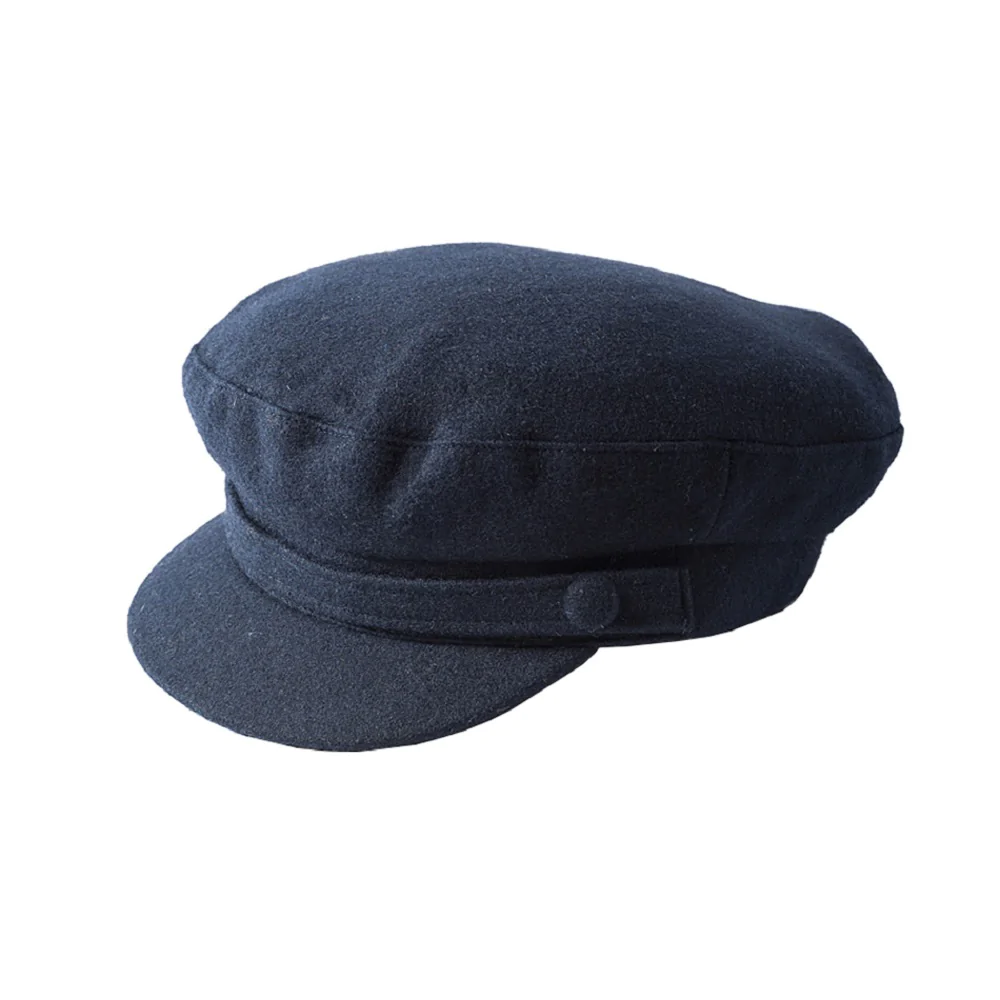
Furthermore, you must proactively protect your expensive headwear from prolonged, completely unnecessary exposure to intense, direct sunlight when securely stored inside your vehicle or living room. Harsh, unyielding ultraviolet radiation will rapidly and aggressively bleach the rich, saturated chemical dyes used in the fabric, an accelerated photodegradation process thoroughly explained by the chemical engineers at the American Chemical Society.
Frequently Asked Questions
What is a digital hat-size calculator?
A digital hat size calculator is an incredibly advanced mathematical software tool specifically engineered for instantly determining a hat’s proper global size based entirely on precise biological head measurements, typically relying on the absolute maximum head circumference. The complicated algorithms powering these tools seamlessly bridge the gap between varying international manufacturing standards, a digital conversion process similar to currency converters utilized by global financial institutions like Bloomberg.
How mathematically accurate are these digital hat-size calculators?
The ultimate mathematical accuracy of any digital hat-size calculator can distinctly vary depending entirely on the fundamental quality of the programmed code and the absolute precision of the physical measurements you initially input. However, the meticulously coded hat-size calculators hosted on highly reputable fashion platforms will universally provide deeply reliable and mathematically accurate baseline sizing results, an algorithmic consistency praised by software testers at TechRadar.
Why should I absolutely bother to use a hat-size calculator?
A precise digital hat size calculator can effortlessly help you mathematically pinpoint the exact right size to definitively ensure an incredibly comfortable and highly flattering physical fit. This data-driven approach becomes absolutely vital and practically indispensable if you are aggressively shopping for luxury hats via global online retailers and simply cannot physically try the delicate garments on in person, overcoming a major hurdle documented by Shopify’s e-commerce analysts.
What highly specific physical factors should I deeply consider when utilizing a hat-size calculator?
When directly utilizing a hat size calculator, you should meticulously consider the specific geometric shape of your unique head, the exact structural type of hat you are actively looking to ultimately purchase, and any deep personal sensory preferences for precisely how intensely your hat physically grips your skull. Factoring in deeply personal tactile comfort is incredibly important, as noted by sensory processing specialists publishing research in Psychology Today, because overly tight clothing triggers intense psychological stress.
Are there any other massive financial benefits to deeply utilizing a hat-size calculator?
In direct addition to seamlessly helping you mathematically find the exact correct size hat for your skull, consistently utilizing a hat size calculator can also massively save you incredibly valuable time and highly significant amounts of money. By drastically reducing the frustrating mathematical likelihood of urgently needing to continuously return or expensively exchange internationally shipped caps that blatantly don’t fit properly, you actively decrease your personal carbon footprint, a powerful sustainable shopping strategy endorsed by the environmental advocates at Greenpeace.

Pashalis Laoutaris
I am a professional writer, fashion blogger, and owner of the site https://laoutaris.com. I have more than 20 years of experience as a salesperson in the fashion industry and 10 years of experience as a fashionista. I consider myself a true fashionista. I write daily blog articles about fashion, tools and converters, and everything you need to know about current fashion trends.
Laoutaris Recommends