
This glove size calculator can help you find the exact glove size you need to buy. Use the version with palm width or palm length.
Table of Contents
Last updated: 08/07/2026
Disclaimer: This guide reflects general industry sizing conventions. Individual brands, especially performance and professional-use brands, can run larger or smaller than the ranges below — always check the specific product’s own size chart when one is provided.
Find Your Exact Glove Size in Seconds
Buying gloves online without knowing your exact size is a gamble. Too tight, and your fingers go numb in the cold. Too loose, and you lose dexterity, warmth, and style. This free glove size calculator takes the guesswork out of the process — accurate in seconds, and useful whether you’re buying leather dress gloves, knit gloves, work gloves, or insulated winter gloves.

You can measure either your palm width (around the knuckles) or your palm length (wrist to fingertip) — the calculator below handles both in one place, so you don’t need to pick a “version” in advance.
Quick tip: If you have time to take both measurements, do it. Look up the size for each, and go with whichever one gives you the larger size. Hands vary in proportion — some are wide and short, others narrow and long — and using only one measurement can occasionally undersize you.
How Glove Sizing Works
Most glove brands label sizes using one (or more) of three systems:
| System | Format | Example |
|---|---|---|
| European (EU) | Numeric, based on hand circumference in inches | 7, 8, 9, 10 |
| US | Letter-based (alpha) sizing | S, M, L, XL |
| UK | Usually matches EU numeric sizing | 7, 8, 9 |
The EU number is traditionally the circumference of the hand in inches, measured around the palm (excluding the thumb) — a size “8” corresponds to a palm circumference of roughly 8 inches. US letter sizes map onto the same measurements, which is why the calculator below gives you both at once.
Palm circumference (width) is generally treated as the primary sizing metric in the glove industry, since it most directly reflects how snugly the glove will sit around your hand. Palm length is a useful secondary check, particularly for confirming finger fit. This is also why leather and dress glove brands often size in half increments (7, 7.5, 8, 8.5…) — a half inch of circumference is enough to notice in a tailored, close-fitting glove.
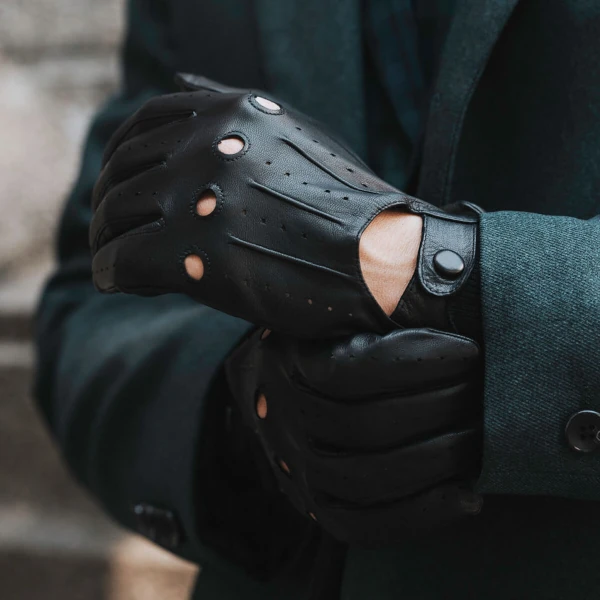
Sizing isn’t perfectly universal across every manufacturer, so always check a specific brand’s own size chart if one is provided — this is especially true for work gloves, ski gloves, and other performance/professional gear, which sometimes run a size larger or smaller than the general convention to accommodate grip, insulation, or safety padding.
What You’ll Need
You don’t need any special equipment to measure your hand for gloves. Gather:
- A soft measuring tape (a fabric or vinyl tailor’s tape works best)
- A pen and paper to jot down the number
- Alternatively: a strip of string or ribbon and a ruler, if you don’t have a measuring tape
If you’re between two sizes, it’s generally safer to size up, especially for winter gloves that will be worn over long periods or layered with a liner.
Measurement Diagrams
If you’re not sure exactly where “palm width” or “palm length” is measured from, these two diagrams show the measurement line for each method.
DiagramSVG CodePalm width (across knuckles, excluding thumb)The Calculator
Choose whether you’re measuring width or length, enter your number, and pick your unit. The result includes the raw measurement in both mm and inches, your EU/US size, and a short note on how that size tends to fit.
Glove Size Calculator
Full Glove Size Chart
If you’d rather look up your size manually, here’s the complete conversion chart the calculator is based on, including the traditional half-size scale used by many leather and dress glove brands.
Standard EU / US Chart
| Palm Width (mm) | Palm Width (in) | Palm Length (mm) | Palm Length (in) | EU Size | US Size |
|---|---|---|---|---|---|
| 150–178 | 5.9–7.0 | 160–170 | 6.3–6.7 | 6 | XS |
| 179–203 | 7.0–8.0 | 171–181 | 6.7–7.1 | 7 | S |
| 204–229 | 8.0–9.0 | 182–191 | 7.2–7.5 | 8 | M |
| 230–254 | 9.1–10.0 | 192–203 | 7.6–8.0 | 9 | L |
| 255–279 | 10.0–11.0 | 204–214 | 8.0–8.4 | 10 | XL |
| 280+ | 11.0+ | 215+ | 8.5+ | 11 | XXL |
Mm/inch conversions above are rounded for readability; treat them as close approximations rather than exact equivalents.
Traditional Inch-Based Sizing (With Half Sizes)
Dress and leather glove makers often size directly to your rounded hand circumference in inches, rather than by EU/US band — which is where half sizes like 7.5 or 8.5 come from.
| Hand Circumference (in) | Glove Size |
|---|---|
| 6 | 6 |
| 6.5 | 6.5 |
| 7 | 7 |
| 7.5 | 7.5 |
| 8 | 8 |
| 8.5 | 8.5 |
| 9 | 9 |
| 9.5 | 9.5 |
| 10 | 10 |
| 10.5 | 10.5 |
| 11 | 11 |
If your circumference falls close to the midpoint between two whole sizes and the brand offers half sizes, take the half size for the closest, most tailored fit.
Average Measurements
These are general reference points only, not a substitute for measuring your own hand — but they’re a useful sanity check if your result looks off.
| Group | Typical Palm Width | Typical Palm Length | Typical Size |
|---|---|---|---|
| Average adult man | ~215–230 mm (8.5–9.0 in) | ~185–195 mm | EU 8–9 / US M–L |
| Average adult woman | ~178–195 mm (7.0–7.7 in) | ~165–180 mm | EU 6–7 / US XS–S |
Women’s gloves are also frequently cut with a narrower palm and shorter fingers for a given circumference, so a women’s-specific glove line may fit better than a unisex glove at the “same” size.
Tips for an Accurate Measurement
A few small habits make a big difference in getting a reading you can trust:
- Measure your dominant hand. Most people’s dominant hand is very slightly larger, and it’s the one that does more of the gripping.
- Keep the tape snug, not tight. You want the true width of your hand, not a compressed version of it.
- Measure at room temperature. Cold hands can swell or contract slightly compared to their normal resting size.
- Take the measurement twice. If you get two different numbers, use the larger one, or take a third measurement to break the tie.
- Measure both width and length if you can, and go with whichever measurement produces the larger size.
- Account for liners or layering. If you’ll be wearing a thin glove liner underneath, consider sizing up half a size for extra room.
- Measure at the end of the day. Hands can swell slightly with activity, so an evening measurement tends to be a safer, “worst case” reference point.
Common Sizing Mistakes to Avoid
Even with a good measurement in hand, a few habits lead people to buy the wrong glove size:
- Assuming glove size matches shirt or shoe size. These are unrelated measurement systems; there is no reliable conversion between them.
- Measuring over a sleeve or existing glove. Always measure bare skin for an accurate baseline.
- Including the thumb in a width measurement. The width measurement should wrap around the palm only, not the thumb, which will overstate your circumference.
- Ignoring the brand’s own chart. Some manufacturers, especially work-glove and ski-glove brands, run slightly large or small compared to the general chart above. If a listing includes its own sizing chart, defer to that.
- Buying based on “feel” in-store without measuring. A glove can feel fine standing in a shop for thirty seconds and feel completely different after an hour of use in the cold or during activity.
- Only checking one measurement. If your width and length point to different sizes, don’t just default to width — go with the larger of the two.
Does Glove Material Change the Size You Need?
Yes — the material a glove is made from affects how much “give” it has, and that can shift which size is right for you:
- Leather gloves typically stretch and mold to your hand shape over the first few wears. If you’re between sizes, many experienced buyers recommend sizing down slightly with leather, since it will loosen with use.
- Knit and wool gloves are stretchy by nature and tend to be more forgiving. True-to-size or even a slightly snug fit usually works well, since the material will flex with hand movement.
- Insulated winter and ski gloves are bulkier by design. If you plan to wear a liner glove underneath, size up to leave room for that extra layer.
- Work gloves and mechanic’s gloves should fit snugly for grip and dexterity but shouldn’t restrict finger movement. A too-loose work glove is actually a safety issue, since it can catch on tools or machinery.
- Dress and formal gloves are usually meant to fit close to the hand for a clean, tailored look, so true-to-size (including half sizes where offered) is generally the right call rather than sizing up.
Sizing for Specific Activities
The “right” fit can shift slightly depending on what you’re using the gloves for:
| Activity | Fit Priority | Sizing Note |
|---|---|---|
| Skiing/snowboarding | Warmth + room for a liner | Size up if you’ll wear a liner glove underneath |
| Driving | Grip + dexterity, thin material | True to size or slightly snug; avoid bulky gloves |
| Manual/work gloves | Grip + finger protection | Snug but never restrictive; loose gloves are a safety hazard |
| Formal/dress occasions | Clean, tailored look | True to size, use half sizes if offered |
| Everyday cold-weather wear | Balance of warmth and comfort | True to size, or a half size up if layering |
Troubleshooting: Gloves Arrived the Wrong Size
If your gloves don’t fit once they arrive, here’s how to figure out what went wrong before you reorder:
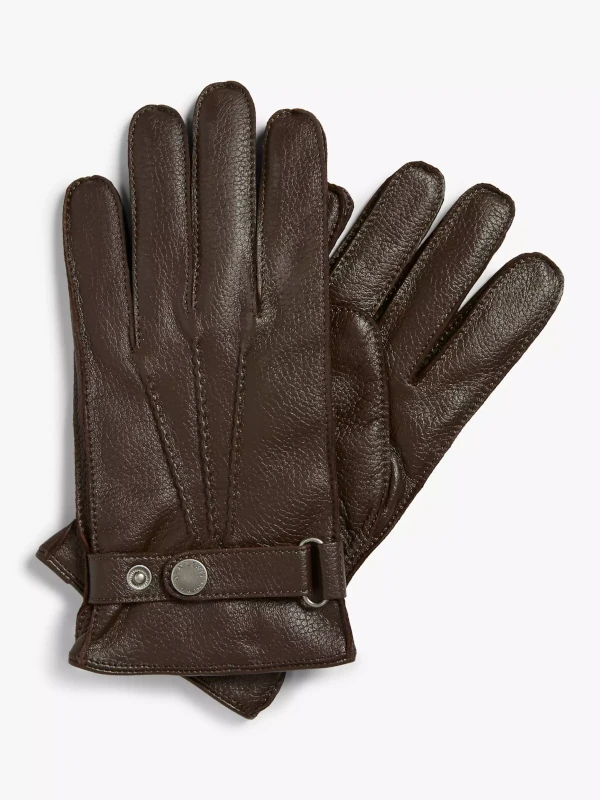
- Too tight across the palm: Your width measurement may have been taken with the tape pulled too snug, or you sized down expecting leather to stretch and it hasn’t yet. Give leather a few wears before deciding it’s unwearable.
- Fingers too long or short: This usually means your palm length measurement (or the brand’s finger proportions) didn’t match your hand shape. Check whether the brand offers a “narrow” or “wide” palm cut.
- Fits at the palm but loose at the wrist: Some brands run large through the cuff regardless of glove size — look for an adjustable wrist strap or cinch, or a different style from the same brand.
- Right size on the chart, but still feels off: Cross-check the brand’s own size chart rather than the general chart on this page — performance and work-glove brands especially can deviate from the standard.
- When in doubt, size up rather than down, particularly for gloves you’ll wear for long stretches or over a liner — a slightly loose glove is more comfortable than a tight one, and dexterity gloves usually break in with wear.
Check out this article to find glove sizing charts.
Frequently Asked Questions
What hand should I measure?

Measure your dominant hand — the right hand if you’re right-handed, the left if you’re left-handed. This is the hand most glove sizing charts are based on, and it tends to be marginally larger due to regular use.
When I measure my palm width, should I include my thumb?
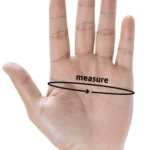
No. Measure around your palm and knuckles only, keeping the thumb tucked out of the way. Including the thumb will give you a circumference that’s larger than your actual glove size.
How do I measure my palm length?
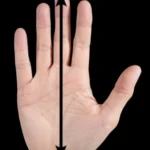
Lay your hand flat with your fingers extended and together. Measure in a straight line from the base of your palm, where it meets your wrist, up to the tip of your middle finger.
What if my measurement falls between two sizes?
Round up to the larger size, especially if you plan to wear the gloves for extended periods, in cold weather, or with a liner underneath. A slightly loose glove is generally more comfortable than a tight one.
Do men’s and women’s gloves use different size charts?
The underlying measurement-to-size conversion is the same, but many brands cut women’s gloves with a narrower palm and shorter fingers for a given circumference. Always measure your own hand rather than assuming based on gender-labeled sizing alone.
Is EU sizing the same as UK glove sizing?
In most cases, yes — UK glove sizes typically align with the EU numeric scale (6 through 11). Always double-check the specific retailer’s chart if you’re ordering from a UK-based brand, since a small number use their own conventions.
Can I use my ring size or shoe size to estimate glove size?
Not reliably. Ring and shoe sizes measure completely different parts of the body and don’t correlate closely enough with palm width or length to be useful. Measuring your hand directly with the calculator above will always be more accurate.
My hands are two different sizes. Which one should I use?
It’s completely normal for one hand to be very slightly larger than the other. Measure your dominant hand and use that number, since gloves are almost always sold in matching pairs based on a single size.
How do children’s glove sizes work?
Kids’ gloves are usually sized by age range (e.g., 4–6 years, 7–9 years) rather than by hand circumference, since children’s hands grow quickly and precise measurement is less practical. If a brand does provide a measurement chart for kids, the same width/length method on this page will work — just expect the size labels to reference age rather than EU/US letters.
Do mittens use the same sizing as gloves?
Mostly, yes — mittens are generally sized using the same palm width or hand circumference measurement as gloves, since the palm and thumb still need to fit correctly even though the fingers share one compartment. Palm length matters less for mittens, so width is the more reliable measurement to use.
Save Your Size for Next Time
Once you know your number, it’s worth keeping it somewhere you’ll actually find it. Bookmark this page, or take a screenshot of your calculator result, so you’re not stuck re-measuring the next time you shop for gloves.

Pashalis Laoutaris
I am a professional writer, fashion blogger, and owner of the site https://laoutaris.com. I have more than 20 years of experience as a salesperson in the fashion industry and 10 years of experience as a fashionista. I consider myself a true fashionista. I write daily blog articles about fashion, tools and converters, and everything you need to know about current fashion trends.
Laoutaris Recommends