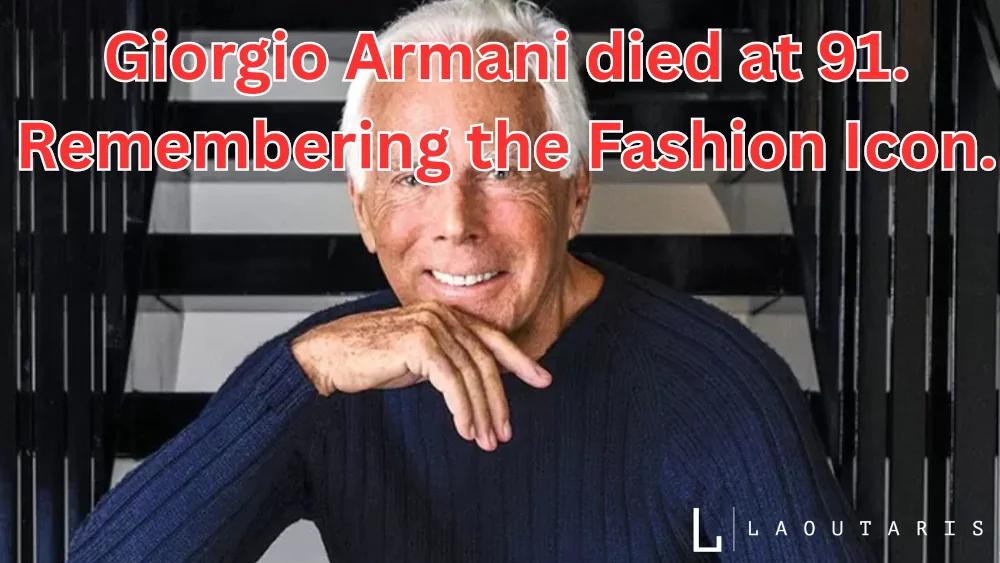
Giorgio Armani died at the age of 91 in his beloved Milan, Italy. The man behind the sleek suits and timeless designs that have graced red carpets, boardrooms, and everyday wardrobes for decades. It’s hard to believe, but on September 4, 2025, the world lost one of its greatest visionaries in the fashion industry.
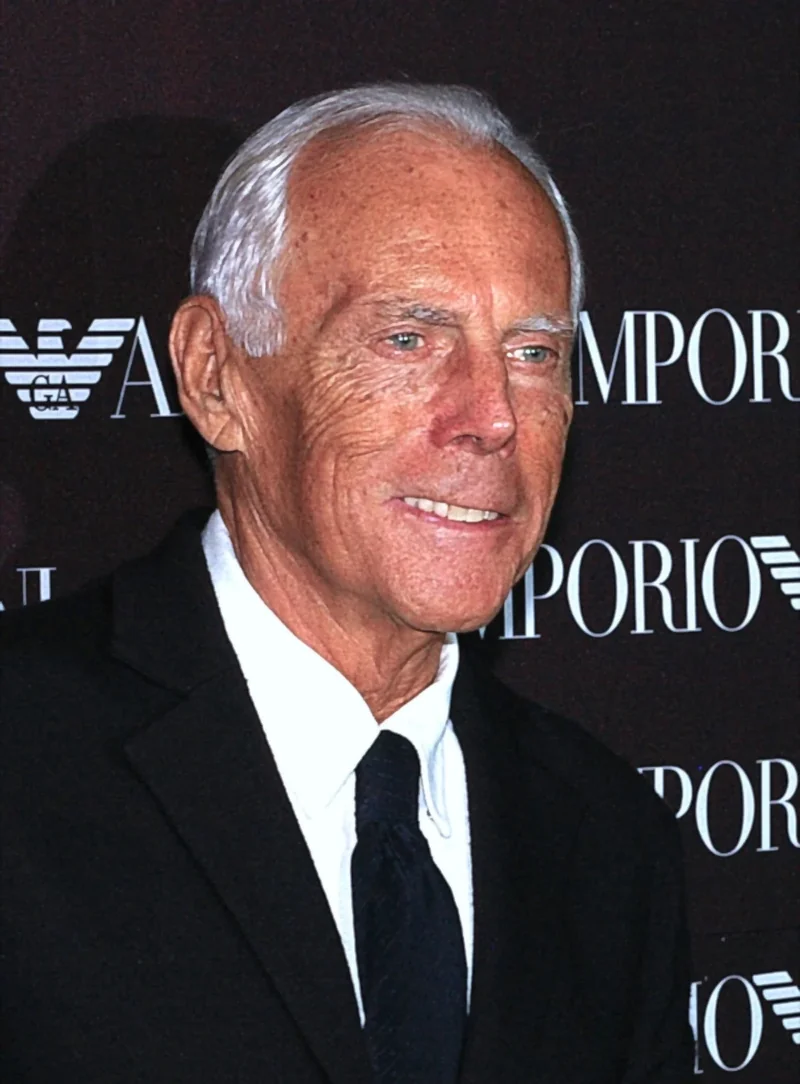
As someone who has always admired how Armani turned simplicity into sophistication, I am deeply saddened by the loss. This Giorgio Armani obituary isn’t just a recounting of facts—it’s a tribute to a legend who made us all look and feel a little more refined. If you’re looking for information on the life and legacy of Giorgio Armani, or how he has shaped modern fashion, you’ve come to the right place. Let’s dive into the life of “Re Giorgio,” the King of Fashion.
Table of Contents
Early Life: From a Small Italian Town to Dreaming Big
Giorgio Armani was born on July 30, 1934, in the quiet, historic town of Piacenza, Italy. Growing up in a middle-class family during a time when Italy was still reeling from the effects of World War II, young Giorgio didn’t exactly scream “future fashion mogul.” His father was an accountant, and his mother a homemaker, instilling in him a sense of practicality that would later define his no-nonsense approach to design.
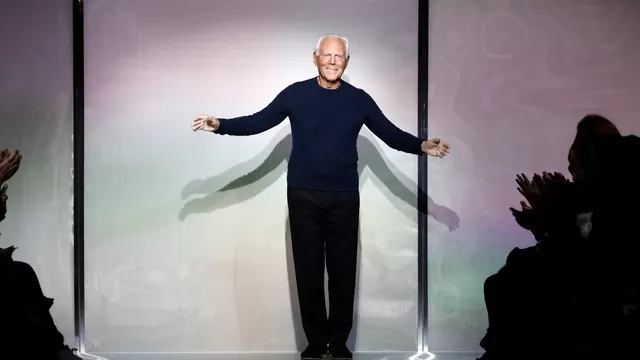
Armani started on a pretty conventional path. He enrolled at the University of Milan to study medicine in the early 1950s, but let’s be honest—dissecting cadavers wasn’t his calling. He dropped out after just two years, drawn instead to the glitz of photography and the allure of Hollywood films that were making their way to Italian screens. American movies, with their sharp-dressed stars like Cary Grant, sparked something in him. “I was fascinated by the way clothes could convey power and personality,” Armani once reflected in an interview.
Then came his mandatory military service in the Italian army during the mid-1950s. It might sound surprising, but those crisp uniforms left a lasting impression. They taught him about structure, tailoring, and the importance of fit—lessons that would later revolutionize menswear. If you’re curious about how humble beginnings fuel greatness, Armani’s story is a perfect example. From Piacenza’s cobblestone streets to the runways of Milan, his early life set the stage for a career that would make “Giorgio Armani biography” one of the most searched terms in fashion history.
Career Beginnings: Window Dressing to Design Prodigy
Armani didn’t just wake up one day as a fashion icon; he hustled his way there. In 1957, at the age of 23, he landed his first job as a window dresser at La Rinascente, one of Milan’s premier department stores. Picture this: a young guy arranging mannequins and dreaming of bigger things. It was here that he gained his first experience in the retail world, learning how to make clothes appealing to the masses.
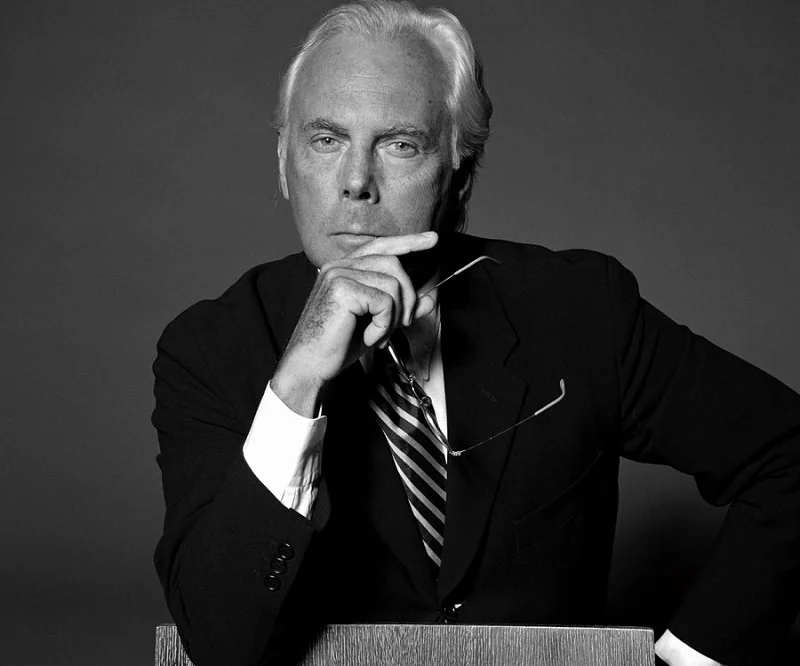
By 1964, Armani had leveled up, joining the menswear powerhouse Nino Cerruti. This was a game-changer. Under Cerruti, he designed ready-to-wear collections, experimenting with softer, unstructured jackets that ditched the stiff padding of traditional suits. It was innovative stuff—think relaxed shoulders and fluid lines that made men look effortlessly cool. Armani stayed with Cerruti for over a decade, soaking up knowledge on everything from fabric selection to business strategy.
Before launching his own label, he freelanced for brands such as Allegri and worked as a designer for various Italian fashion houses. These years were crucial; they built his reputation as a talent who could blend artistry with wearability. If you’re writing a Giorgio Armani obituary or just fascinated by fashion history, remember: every empire starts with those gritty entry-level gigs.
Founding Giorgio Armani: The Birth of a Fashion Empire
Ah, 1975—the year everything changed. Teaming up with his longtime partner in life and business, Sergio Galeotti, Armani launched his eponymous brand. They started small, focusing on menswear, but it didn’t take long for the magic to unfold. His debut collection hit the scene with that signature Armani vibe: minimalist, elegant, and oh-so-wearable. By 1976, it had crossed the Atlantic and caught fire in the U.S., where the androgynous silhouettes appealed to a generation craving something beyond the boxy suits of the ’70s.
Womenswear followed in 1979, and boom—Armani became the go-to for “power dressing.” His designs empowered women in the workplace, striking a balance between femininity and strength through the use of wide-legged pants, blazers, and flowing silks. But it was Hollywood that catapulted him to superstardom. Remember Richard Gere in American Gigolo (1980)? That unbuttoned Armani suit? Iconic. It turned Armani into a red-carpet staple.
Over the years, Armani dressed a who’s who of celebrities:
- Julia Roberts at the 1990 Golden Globes, rocking a men’s Armani suit like a boss.
- Sophia Loren is the epitome of Italian glamour.
- Arnold Schwarzenegger for his action-hero looks.
- Cate Blanchett and Lady Gaga, who brought his designs into the modern era with edgy twists.
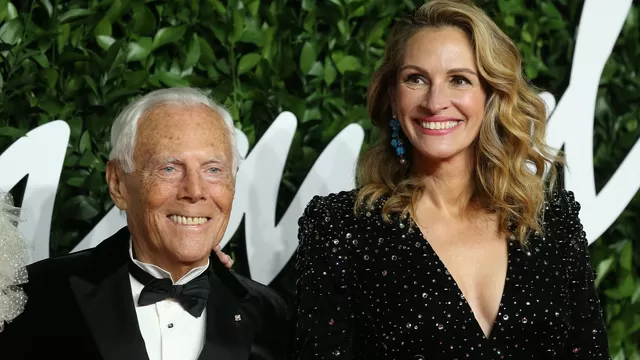
He didn’t stop at clothes. Armani costumed films like The Wolf of Wall Street and designed stage outfits for artists. His business savvy shone through in expansions into lifestyle, with notable ventures including Emporio Armani (1981) for younger crowds, Armani Jeans (1981), Armani Exchange (1991) for streetwear, Armani/Casa for home decor, and even fragrances and beauty lines.
Sports? Oh yeah. He owned the Olimpia Milano basketball team starting in 2008, supported Inter Milan soccer, designed Italian Olympic uniforms for the 2012, 2016, and 2020 Games, launched the EA7 sportswear line, and partnered with Scuderia Ferrari in Formula 1. To visualize his empire’s growth, here’s a quick timeline table:
| Year | Milestone | Impact on Giorgio Armani Legacy |
|---|---|---|
| 1975 | Founded Giorgio Armani with Sergio Galeotti | Laid the foundation for a global brand valued at €8-10 billion by 2024. |
| 1976 | U.S. debut of menswear | Introduced relaxed silhouettes, influencing casual luxury worldwide. |
| 1979 | Womenswear launch | Pioneered power dressing, empowering professional women. |
| 1980 | American Gigolo costume design | Hollywood breakthrough; Armani becomes a celebrity favorite. |
| 1981 | Hollywood breakthrough: Armani becomes a celebrity favorite. | Expanded to accessible lines, broadening market reach. |
| 1991 | Armani Exchange debut | Targeted youth culture with urban, affordable fashion. |
| 2008 | Acquired Olimpia Milano | Diversified into sports ownership, enhancing brand visibility. |
| 2010 | Armani Hotel Dubai opening | Entered hospitality, blending fashion with luxury living. |
| 2011 | Milan Armani complex | Created a flagship hub for retail and events. |
| 2012-2020 | Olympic uniform designs | Emporio Armani and Armani Jeans launch |
This table illustrates how Armani transformed fashion into a multifaceted empire. His annual turnover hovered around €2.3 billion ($2.7 billion) in recent years, all while he maintained 100% ownership for 50 years. Impressive, right?
Business Empire and Personal Style: The Man Behind the Brand
What made Armani stand out wasn’t just the clothes—it was his philosophy. He was hands-on, involved in everything from sketches to ad campaigns, surrounded by a loyal team including family members. His personal style? Understated elegance. No flashy logos; just pure, refined lines. He once said, “Elegance is not standing out, but being remembered.”
Armani was ahead of his time on ethics, too. After the tragic death of model Ana Carolina Reston from anorexia in 2006, he banned underweight models from his runways—a bold move that pushed the industry toward healthier standards. Politically, he made statements, like his March 2025 show promoting “new harmony” amid global tensions.
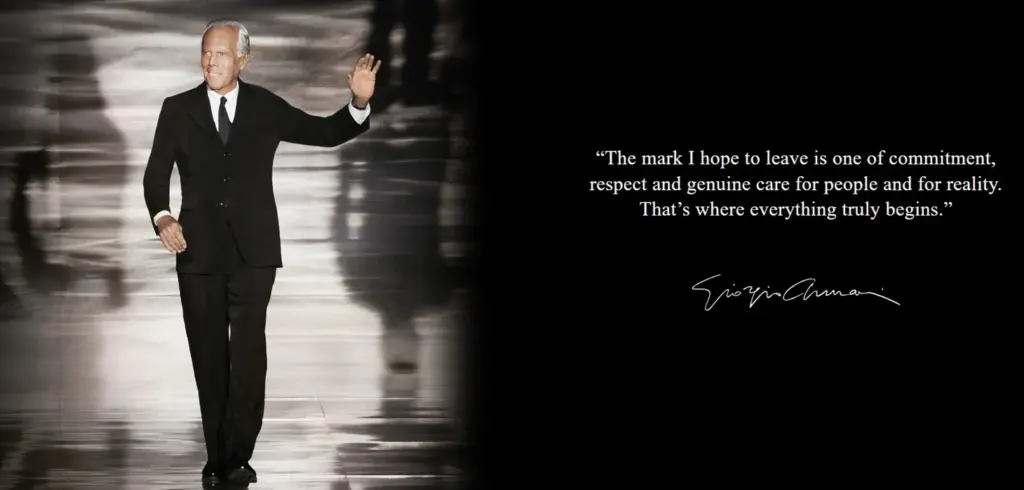
Philanthropy was close to his heart. As a UNHCR Goodwill Ambassador since 2002, he championed refugee causes. Awards poured in: the French Legion of Honour, Italy’s Order of Merit for Labour, and the CFDA Lifetime Achievement Award. Personally, he kept things private. His relationship with Galeotti (who died in 1985) was legendary, but with no children or an apparent heir, succession questions loomed large. Still, his close-knit circle—family and execs—vowed to protect his vision.
Giorgio Armani died. It Is A Graceful Fade to the End
Even into his 90s, Armani was a force. He oversaw collections with the same passion, but whispers about his health began in June 2025, when he skipped Milan Men’s Fashion Week for the first time. In July, he directed a couture show remotely from Milan, showing his resilience. An exhibition was planned for Milan Fashion Week to celebrate 50 years of independence—a fitting swan song.
Sadly, on September 4, 2025, he passed peacefully at home, surrounded by loved ones. The cause wasn’t disclosed, but it was clear he’d been unwell. As of today, September 7, 2025, fans are still processing the news of Giorgio Armani’s death.
Legacy and Impact: Why Armani Will Never Go Out of Style
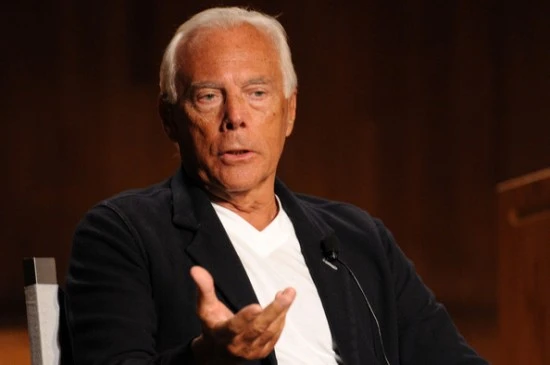
Giorgio Armani didn’t just design clothes; he redefined the concept of elegance. His unstructured jackets, impeccable tailoring, and minimalist ethos influenced everyone from Wall Street execs to Hollywood A-listers. In the ’80s, he made power dressing a thing—broad shoulders for women symbolizing equality in the boardroom. Today, vintage Armani pieces are in high demand on the secondhand market, proving his timeless appeal.
His impact extends beyond fashion:
- Ethical Pioneering: Banned skinny models, sparking industry change.
- Global Symbol: Embodied “Made in Italy” with sobriety and creativity.
- Cultural Influence: From red carpets to the Olympics, his designs told stories of sophistication and elegance.
Tributes highlight this. Italian PM Giorgia Meloni called him a “symbol of Italy’s best elegance, sobriety, creativity.” Donatella Versace dubbed him a “giant who made history.” Celebrities and designers alike praised his approachable demeanor.
For a quick list of his most influential designs:
- The deconstructed blazer (1970s): Revolutionized menswear comfort.
- Power suits for women (1980s): Blended femininity and authority.
- Red-carpet gowns: Worn by stars like Cate Blanchett at the Oscars.
- Olympic uniforms: Showcased Italian pride with sleek, modern lines.
- Ferrari partnerships: Merged fashion with high-speed luxury.
Armani’s legacy? It’s in every tailored jacket that makes you stand a little taller.
Tributes and Reactions: The World Mourns
The outpouring has been immense. Since the announcement, social media has been flooded with #GiorgioArmani and #RIPArmani. Fans queued at a funeral chamber in Milan on September 6-7, 2025, to pay respects. A private funeral is set for September 8.
Key reactions include:
- Donatella Versace: “A giant. He made fashion history with his vision.”
- Giorgia Meloni: “He represented Italy’s elegance and creativity.”
- Lady Gaga: Shared photos of her Armani outfits, calling him “a mentor in style.”
- Industry Peers: Designers like Stella McCartney noted his ethical influence.
It’s a reminder of how one man’s creativity touched millions.
Conclusion: Farewell to a Timeless Legend
Giorgio Armani’s death marks the end of an era, but what about his lasting influence? That’s eternal. As “Re Giorgio,” he taught us that true style is about confidence and simplicity. With the Armani empire facing succession uncertainties, one thing’s sure: his vision will endure, guided by family and loyal teams. In his own words, “Fashion is about dressing according to what’s going on around you.” Well, Giorgio, you’ve dressed the world beautifully. Rest in peace.
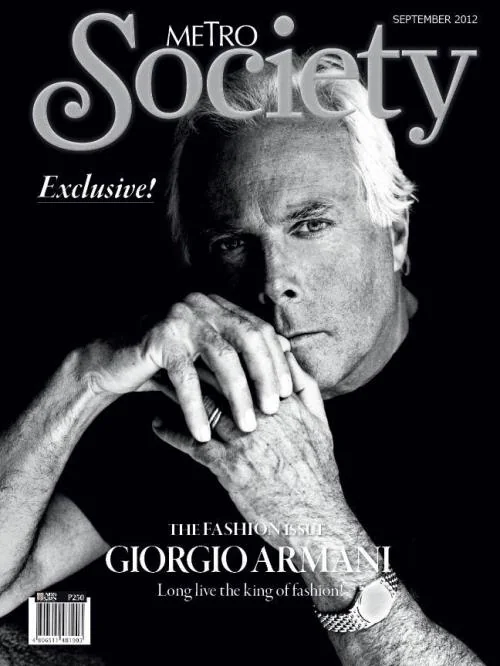
If this Giorgio Armani obituary has moved you or you’re seeking more information about his legacy, please share your thoughts below. For the latest updates on fashion icons and obituaries, stay tuned—we’re here to celebrate the greats.

Pashalis Laoutaris
I am a professional writer, fashion blogger, and the owner of https://laoutaris.com. I have over 20 years of experience as a salesperson and 10 years of experience as a fashionista. I write daily blog articles about fashion, tools, and converters, and everything you need to know about current trends.Laoutaris Recommends