Fashion accessories elevate confidence —it’s self-expression, armor, and attitude, all woven into what you choose to wear. When you’re intentional about your Style, you send clear messages to yourself and the world about who you are and how you want to feel.
Even the act of getting dressed can shift your mindset, set the tone for your day, and help you feel more present or visible. Sometimes all it takes is a sharp blazer or a bold accessory to pull yourself out of that fog. Looking your best isn’t about chasing trends—it’s about recognizing how much power your wardrobe holds in shaping your mood. Let’s break down how fashion and accessories can help you look and feel your absolute best—starting from the inside out.
Table of Contents
Start with a Daily Gratitude Practice
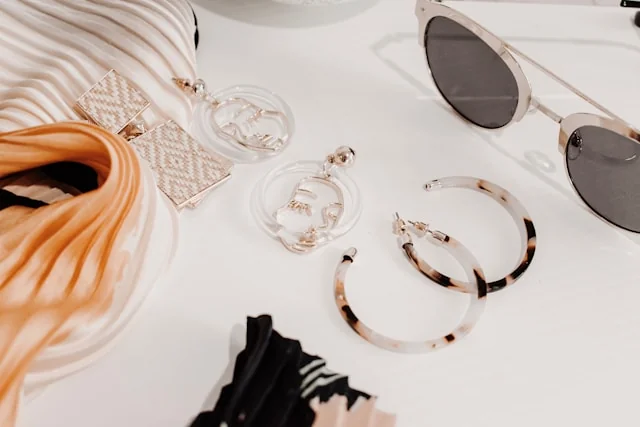
You don’t have to buy a thing to start transforming how you feel in your clothes. Practicing gratitude is a deeply underrated way to improve your self-image and boost how you carry yourself. Grab a small notebook or notes app and start a daily gratitude journal practice. Jot down three things that brought you joy—maybe it’s your favorite sweater, the way your earrings caught the sunlight, or the Comfort of your go-to jeans. Gratitude sharpens your attention toward what works and what’s beautiful in your life already. That mindset naturally influences your posture, your presence, and your willingness to try something new. When you feel good emotionally, you’re more likely to dress in ways that affirm your self-worth.
Seasonal Pieces that Feel Fresh (without overhauling your closet)
Seasons aren’t excuses to start from scratch—they’re invitations to refresh thoughtfully. Before anything else, layer smartly by blending transitional pieces (light jackets, slip dresses, terrycloth knits) with core staples you already own. Pull in one or two trending items—maybe a seasonal print, a fresh hue, or a texture—to sprinkle newness without chaos. Use the personal shopper guide to plan seasonal shopping to map what your wardrobe actually needs each season (not what the racks tell you). Choose fabrics and weights that play well in multiple climates (e.g., breathable layers under a coat). Rotate in accessories—scarves, hats, belts—in seasonal palettes to carry new energy without redoing your whole wardrobe.
Mix Comfort + Style (so you never have to “dress for pain”)
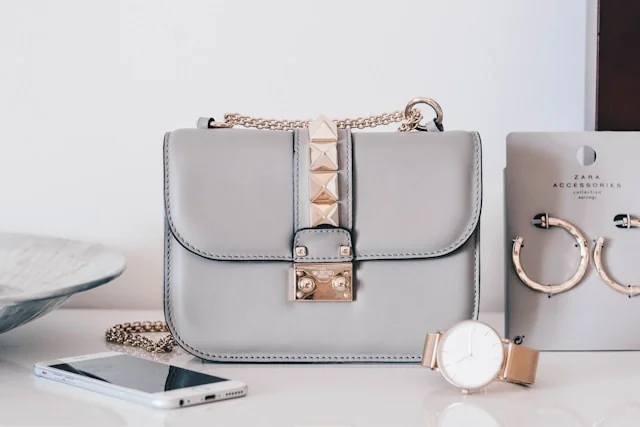
Style should feel good physically—never a tradeoff. That means choosing fabrics with stretch, knits that move, or silhouettes that breathe. Start with a piece you love wearing all day and build around it: sleek joggers, ladder-back cardigans, or dresses with stretch panels work beautifully. Use layering, drape, or asymmetric cuts to inject flair without sacrificing ease. Lean into innovative accessories—wide straps, cushioned soles, soft bags—that support your body. When fashion and Comfort collide, you stay free to move, smile, and feel like yourself all day long.
Fashion Accessories Elevate Confidence
Style should include everyone. Look for garments built for ease: magnetic or Velcro closures, concealed zippers, adjustable hems, tagless designs, or sensory-friendly fabrics. Adaptive fashion designers are blending function with flair, moving toward inclusive design. Seek brands offering adaptive lines or consult guides like Vanderbilt’s Adaptive Clothing Resource Guide for insight into alteration techniques. If you or someone you care about uses assistive devices or has limited mobility, dressing should feel like expression—not effort. Accessories matter too: belts with magnetic clasps, shoes with elastic goring, handbags with easy-open hardware.
New Clothes, New Confidence
There’s a reason people say “dress for the job you want.” Clothing is an instant cue for confidence—especially when it’s something new that fits well and reflects how you want to show up. Whether it’s finally retiring that stretched-out hoodie or investing in jeans that hug just right, don’t underestimate how new clothes can boost your confidence. You’re telling yourself that you’re worth the upgrade.
Studies show people behave differently when they feel better in what they wear: they speak up more, hold eye contact longer, and take more initiative. That boost doesn’t need to come from expensive designer wear—it’s about freshness and fit, not price. Pay attention to how your energy shifts when you slip on something that genuinely feels like “you.”
Shop for Classics That Never Let You Down
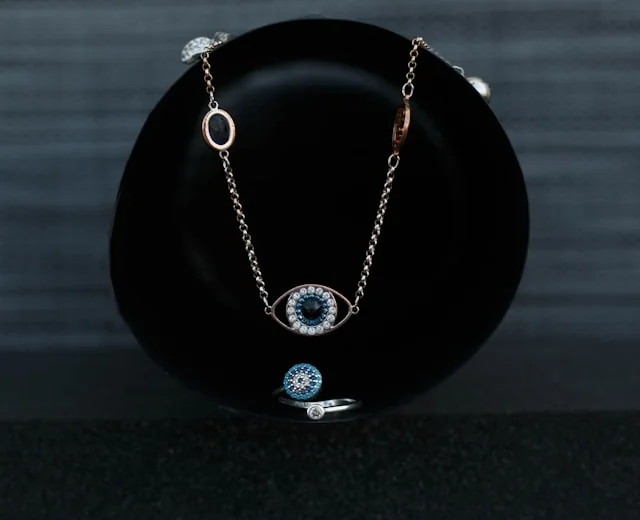
Not every item in your closet needs to make a statement—but the right basics become your daily power tools. Think crisp white shirts, tailored trousers, structured coats, or a pair of shoes that elevate everything they touch. These aren’t “boring”—they’re reliable. When your wardrobe is anchored by classic wardrobe essentials you’ll love, getting dressed becomes effortless and stress-free. You don’t have to waste mental energy figuring out what works; the pieces do. And over time, you start to identify which staples fit your version of timeless. Maybe it’s a biker jacket, maybe it’s a silk blouse—what matters is repeatability and emotional lift. These classics make space for you to experiment without losing your center.
Personal Style Meets the Workplace
Professional doesn’t have to mean forgettable. If your office has a dress code, don’t let it smother your sense of identity—use it as a framework to highlight your personality in clever, subtle ways. That could mean structured clothes with a pop of color, accessories that tell a story, or silhouettes that play with tradition. Integrating a look that is creative while still professional doesn’t require rebellion—it just takes intention. A sharp jacket can still have an unexpected lining. Monochrome can still be bold. When you bring yourself to your workwear, people notice—and more importantly, you see. Confidence comes from congruence, and the office is no exception.
Make Accessories Your Secret Weapon
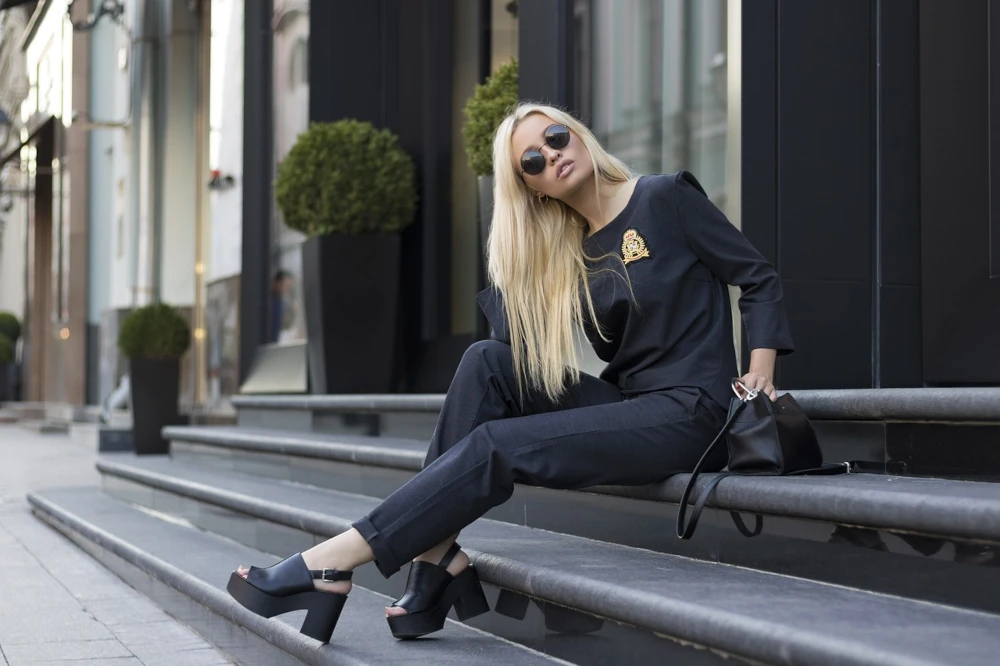
Accessories are the details that bring a look together—and they don’t have to be flashy to be effective. Think of them as punctuation: the final touches that add tone, rhythm, and emphasis to your outfit. Learning how to use 10 expert tips for accessorizing can completely transform your go-to outfits. A belt can redefine your silhouette, a pair of earrings can brighten your whole face, and a handbag can set the energy for your day. Start with one standout piece and build around it. Or keep things understated and let texture or tone do the work. The right accessory doesn’t just complete an outfit—it can completely shift how you feel wearing it.
Try Layering Unexpected Combinations
Layering is more than throwing on a sweater—it’s about building combinations that give your look dimension, depth, and edge. Think of it like a remix: each layer adds a new beat to the song. You can get creative with layering necklaces, rings, or even bags to make an otherwise simple outfit stand out. Play with lengths, weights, and textures. Mix metals if it feels bold—layer pieces you’ve owned forever with something new to create contrast. The key isn’t volume—it’s curation. When done right, layering shows confidence. It says you’re paying attention to detail and aren’t afraid to stand out.
Eyewear Is an Underrated Power Move
Glasses aren’t just for vision anymore—they’re one of the most powerful style statements you can make. From bold cat-eye frames to clear acetate classics, your eyewear can become a defining part of your look. And in a world dominated by screens and eye strain, everyone’s wearing them anyway—so why not make it intentional? As Style evolves, eyewear is now a key fashion accessory rather than an afterthought. Frames can highlight your cheekbones, echo your aesthetic, or serve as an anchor on a minimalist outfit. Treat your glasses the way you’d treat shoes: part function, part flair, all impact.
Style isn’t about copying trends—it’s about using clothing and accessories as mirrors for your best self. The version of you who shows up, speaks clearly, connects fully, and walks with purpose. When you take the time to curate what you wear, you send a message to your future self that you’re worth the effort. Invest in pieces that lift your energy. Learn what fits your body, not the algorithm’s. Notice how your posture changes when you like your outfit. And above all, use style as a celebration, not a mask. Because the more connected you are to how you look, the more confidently you’ll move through the world.
Frequently Asked Questions
How does practicing gratitude relate to fashion and confidence?
Starting with a daily gratitude practice, such as journaling three things that bring joy—like a favorite sweater or earrings—helps improve your self-image. This mindset shifts your focus to what’s positive in your wardrobe, influencing better posture, presence, and openness to new styles. It fosters emotional well-being, making you more likely to dress in ways that affirm your self-worth without needing new purchases.
What are some ways to refresh your wardrobe seasonally without a complete overhaul?
Use transitional pieces like light jackets, slip dresses, or terrycloth knits layered with existing staples. Add one or two trending items, such as a seasonal print or texture, for freshness. Choose versatile fabrics for multiple climates and rotate accessories like scarves or hats in seasonal colors. Planning with a personal shopper guide ensures you focus on actual needs rather than impulse buys.
How can you balance Comfort and Style in your outfits?
Prioritize fabrics with stretch, breathable knits, or silhouettes that allow movement, like sleek joggers or dresses with stretch panels. Build outfits around comfortable core pieces and add flair through layering, drapes, or asymmetric cuts. Incorporate supportive accessories, such as wide straps or cushioned soles, to ensure fashion feels liberating rather than restrictive.
Why do new clothes contribute to increased confidence?
New, well-fitting clothes signal to yourself that you’re worth the investment, leading to behavioral changes like speaking up more or holding eye contact longer, as supported by studies. It’s not about expense but freshness and fit—replacing worn items like a stretched hoodie with something that feels authentic to you can shift your energy and how you present yourself.
What role do classic wardrobe pieces play in building confidence?
Classics like crisp white shirts, tailored trousers, or structured coats act as reliable “power tools” that make dressing effortless and stress-free. They anchor your wardrobe, providing a timeless base that allows experimentation without losing your core style. Over time, identifying your personal classics creates repeatability and an emotional lift.
How can you incorporate personal Style into professional workwear?
Use a dress code as a framework to subtly express personality, such as through pops of color, storytelling accessories, or unconventional linings in structured pieces. Aim for congruence between your identity and attire—bold monochrome or creative silhouettes can make professional looks memorable without rebellion, boosting confidence through authenticity.
Why are accessories considered a “secret weapon” in fashion?
Accessories add tone, rhythm, and emphasis to outfits, transforming basics into standout looks. A belt can redefine a silhouette, earrings can brighten your face, or a handbag can set your day’s energy. Start with one standout piece or use texture for subtlety; expert tips for accessorizing can help elevate everyday ensembles and shift how you feel in them.
What tips does the article offer for effective layering?
Treat layering as a “remix” to add dimension and edge—mix lengths, weights, and textures, like combining old and new pieces or metals for contrast. Focus on curation rather than volume to show attention to detail and confidence. This applies to jewelry, such as layering necklaces or rings, making simple outfits more dynamic.
How is eyewear positioned as a style element in the article?
Eyewear is an underrated “power move” that goes beyond vision correction to become a defining accessory. Frames like bold cat-eyes or transparent acetates can highlight facial features, anchor minimalist outfits, or echo your aesthetic. In a screen-heavy world, intentional eyewear choices blend function with flair for maximum impact.
Further Reading
- Forbes Vetted’s guide to the best clothing subscription boxes for women, including seasonal styling options and budget-friendly picks.
- The Amputee Coalition provides resources on adaptive clothing, including custom options for individuals with special needs.
- Joy & Style’s blog post on how to accessorize like a stylist, with 10 practical tips for enhancing outfits.
Find fashion accessories and elevate your confidence.

Visit our Fashion Accessories categories.