For local boutique owners, online accessory sellers, and pop-up brand builders, celebrity fashion trends can feel like a loud room where every look disappears in a day. The core tension is real: customers point to a Taylor Swift style inspiration, a J.Lo fashion trend moment, or the Jenna Ortega impact and say they want that vibe, while small budgets and limited inventory make chasing trends risky.
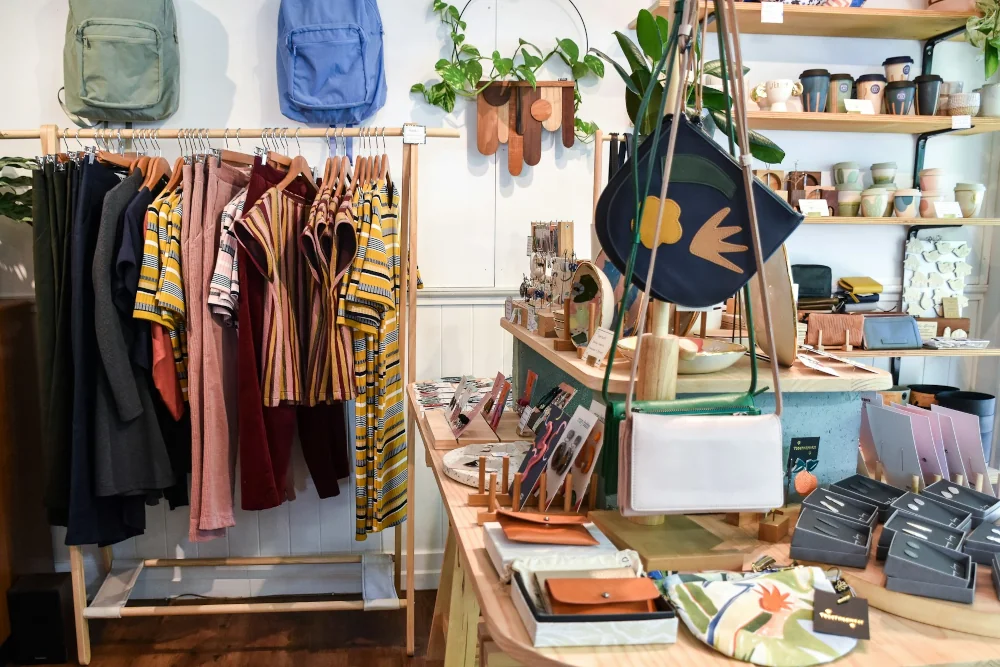
What helps is treating those red-carpet and street-style moments as clear signals for small fashion business strategies, not as instructions to copy. With the right lens, “I loved that look” becomes a practical fashion accessory idea that fits the brand and can actually sell.
Table of Contents
Turning Celebrity Style Into Your Brand Plan
Celebrity trends work best when you treat them like raw materials, not a ready-made outfit. The goal is to translate a look into your own signature by choosing what fits your customer, your price point, and your brand voice. A clear brand story matters here because it turns “cute earrings” into a defined mood and message.

This keeps your product picks and posts consistent, so shoppers recognize you in one scroll. It also helps you buy and make smarter, since you are building a small collection with a theme instead of grabbing random “seen on” items.
Think of a celebrity’s outfit like a room you admire online. You do not copy it tile for tile — you borrow one idea, like color, texture, or shape, and make it fit your space. With influencer marketing partnerships on the rise, customers will keep seeing these cues, so your version needs to feel intentional.
7 Trend-to-Product Plays
Celebrity style works best when you treat it like a paint swatch, not a full room makeover. Use these plays to pull one trend detail that fits your brand, then build a small, sellable accessory moment around it.
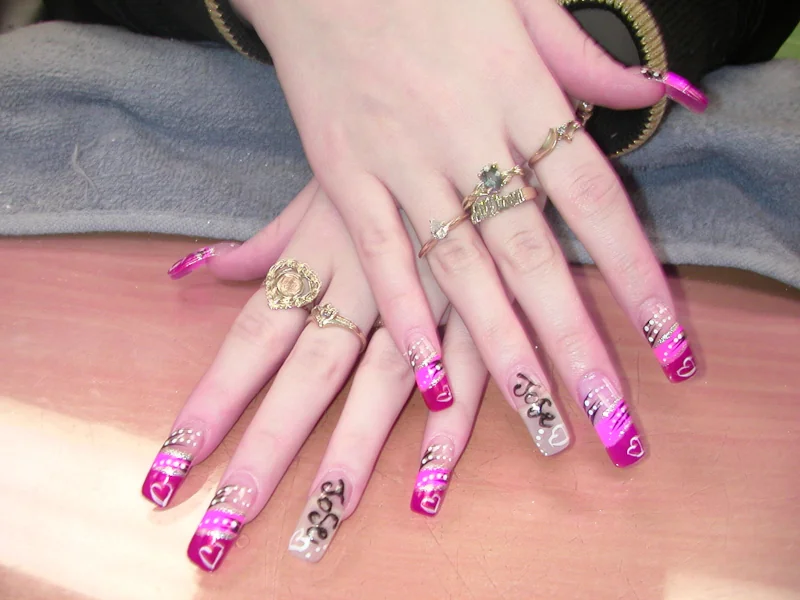
- Spot one micro-trend and name it in plain English. Pick a tiny, repeatable detail you can describe in a sentence, like J.Lo-inspired pastel “fairy nails” (sheer pinks, mint, lavender, pearly shine). Micro-trends are easier to translate into product choices than full outfits, and they give customers a quick mental picture. Write a one-line “trend rule” you can reuse in product descriptions, such as “soft pastel + glossy finish + delicate sparkle.”
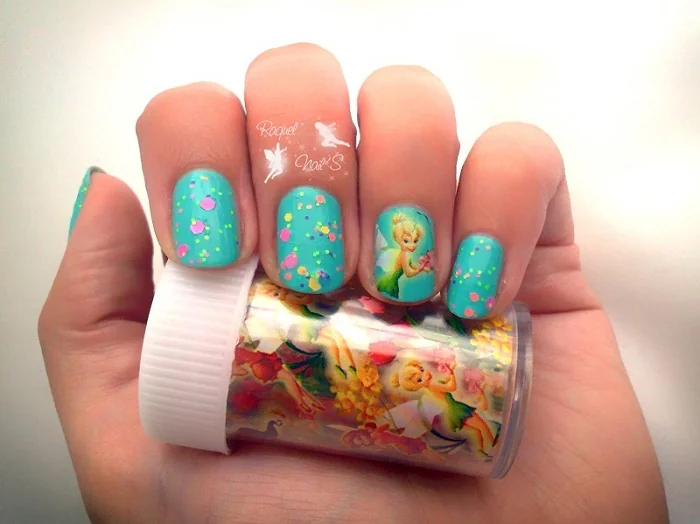
- Translate the trend into one product promise. Choose a single benefit that matches your brand identity — “everyday glam,” “edgy minimal,” or “romantic vintage.” For fairy nails, your product promise might be “soft shimmer that looks expensive but feels easy.” That promise helps you decide materials (pearl acrylic, satin ribbon, pale enamel tones) and keeps you from trend-chasing with random add-ons.
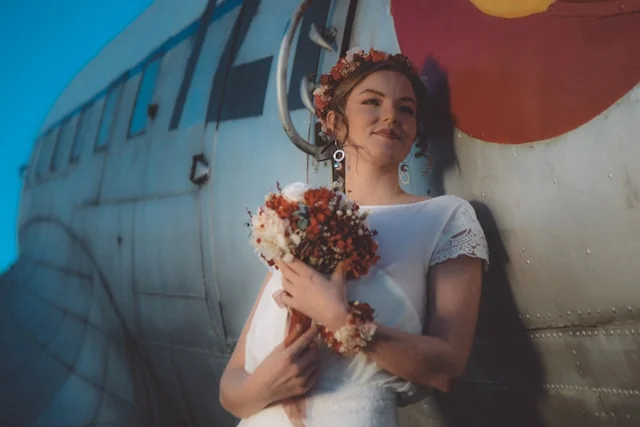
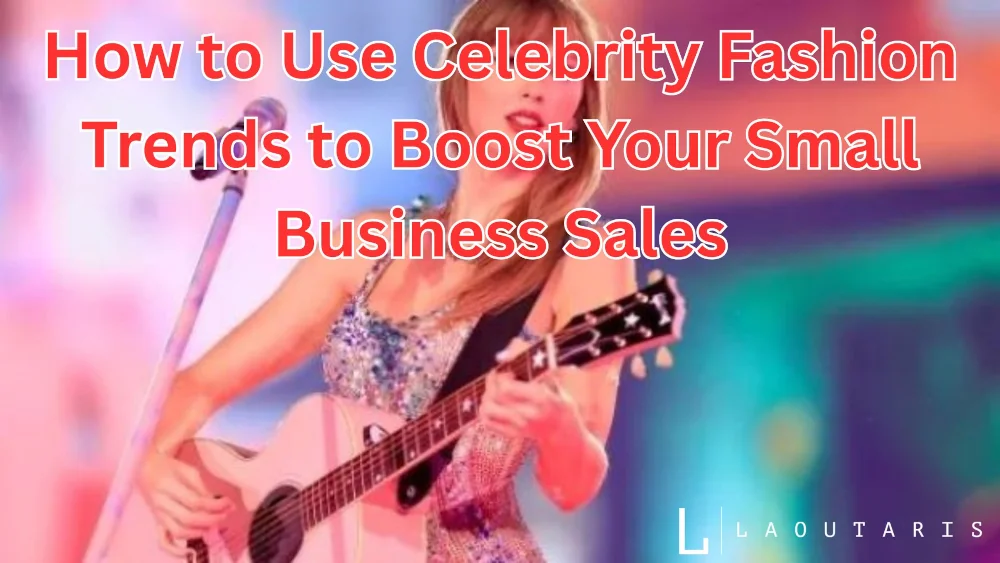
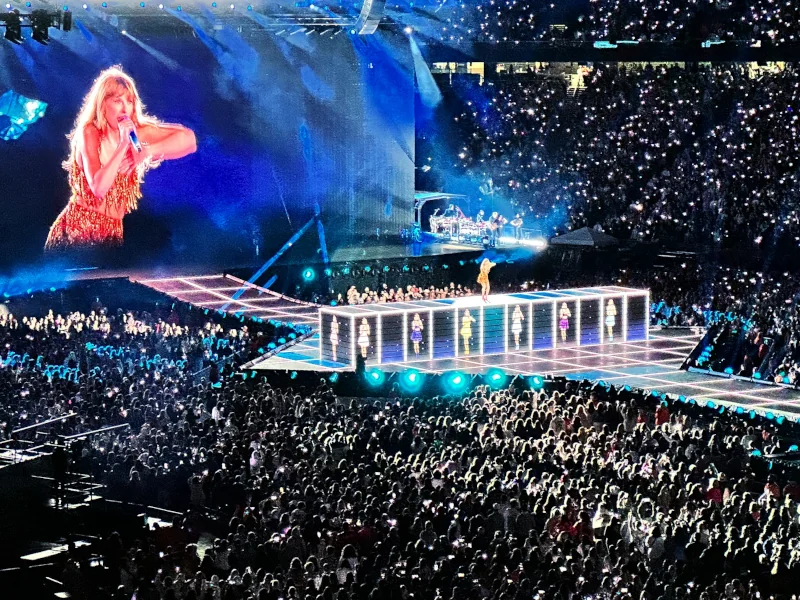
- Build a Taylor-era mini collection with clear “vibes” tags. Taylor Swift’s fashion influence is perfect for themed drops because her eras are basically ready-made style moods. Create 3–5 SKUs that share a single color story and a single metal tone (e.g., gold + cream + red accents), then label them with vibe tags like “sparkly night-out,” “cozy neutral,” or “classic red.” Customers don’t need deep fandom; they need an easy way to shop the mood.
- Use Jenna Ortega’s energy to sharpen your accessory silhouettes. Jenna-inspired accessories tend to lean darker, sharper, and a little dramatic — think black hardware, chunky chain, or a statement ear cuff. Pick one “edge lever” (shape, texture, or contrast) and apply it to a simple base product you already sell. This keeps production beginner-friendly while still delivering that standout look.

- Run a small-batch test with a strict buy-in threshold. Start with 10–25 units or a pre-order window of 5–7 days, and decide your “go/no-go” number before you post (example: “If we sell 12, we restock; if we sell 6, we retire it”). Trend-inspired product development works when you protect cash and learn fast. The global fashion accessories market is projected to reach US$1.52 trillion by 2033 — a scale that rewards small, smart experiments over big, risky bets.
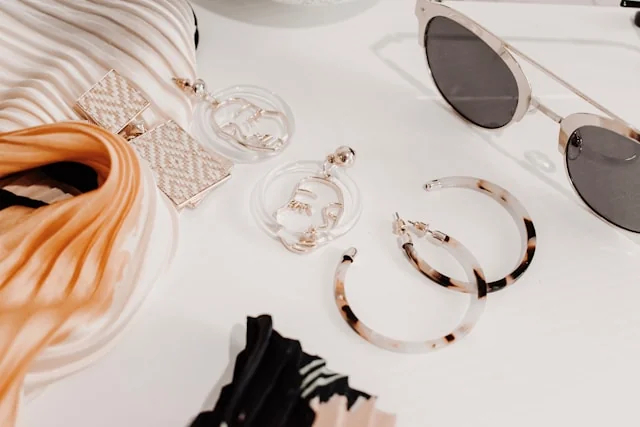
- Style it like a home project: show the steps, not just the finish. Post a simple sequence: inspiration photo (no copying), your sketch/materials, the first sample, then the final styling. For manicure-driven trends, show how the accessory “matches the nails” (pastel nails + pearl bag charm + dainty ring stack). This turns your marketing into a tutorial, which sells better than a single glamour shot.
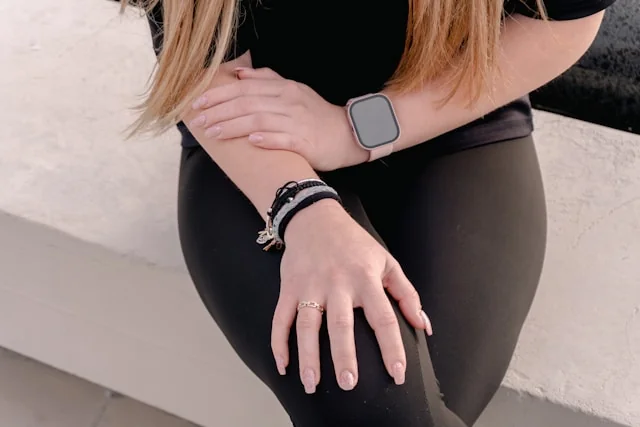
- Add one “real person” proof point, not a celebrity endorsement. Ask 3–5 micro-creators or loyal customers to style your piece their way and share one sentence about when they’d wear it. Many buyers use celebrities as a blueprint, then shop for affordable versions closer to home. Your job is to make the “how to wear it” feel completely doable for your actual customer.
A Simple Weekly Trend-to-Sales Rhythm
This workflow turns celebrity fashion sightings into steady accessory ideas without living on social media or constantly reinventing your shop. Think of it as a marketing operating rhythm that translates style inspiration into clear product decisions, consistent posts, and low-risk tests. It also fits how people browse now, since AI tools for inspiration are becoming a common way shoppers discover new looks.
| Stage | Action | Goal |
|---|---|---|
| Scan | Save 10 looks; highlight one repeated accessory detail. | One micro-trend worth translating. |
| Filter | Check fit with brand promise, price point, and materials. | A trend you can actually deliver. |
| Build | Draft 3 SKUs: one hero item, one matching add-on. | A tight, shoppable drop. |
| Show | Post-process clips, styling tips, and one outfit formula. | Buyers understand how to wear it. |
| Sell | Run a short preorder or small batch with a cutoff. | Demand proof before restocking. |
| Review | Track saves, clicks, sales, and returns; adjust next week. | Each cycle gets smarter. |
Run the stages in order so each decision reduces the next one: the scan feeds the filter, the filter protects the build, and the review sharpens your next scan. Over a few cycles, you will notice your “yes” trends faster, and your content will start writing itself.
Quick Answers to Celebrity Fashion Trends-to-Sales Worries
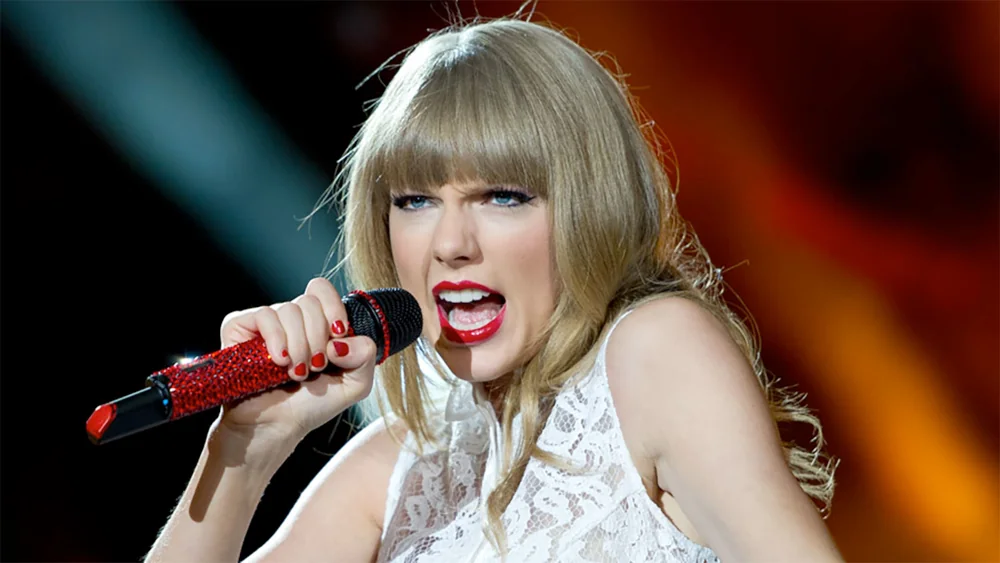
Q: How can small fashion businesses use Taylor Swift’s style evolution to create unique product lines?
Treat the “evolution” as eras you can translate into themes, not replicas. Pick one signature detail per era, like charm layers, satin bows, or bold red accents, then design originals around your materials and price point. Create a tight mini-collection with names and styling tips to help shoppers easily build outfits.
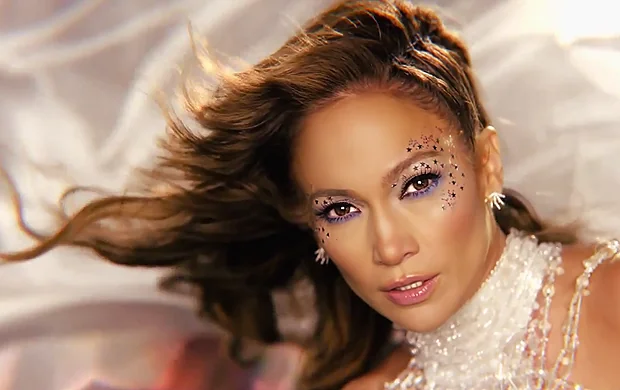
Q: What marketing strategies inspired by J.Lo’s pastel ‘fairy nails’ trend can small brands apply?
Turn the vibe into a clear palette and repeat it everywhere: product photos, packaging, and weekly posts. This reduces decision fatigue and helps people recognize you faster — and strong consistency supports long-term revenue growth. Start with one “pastel story” and invite customers to vote on the next shade.
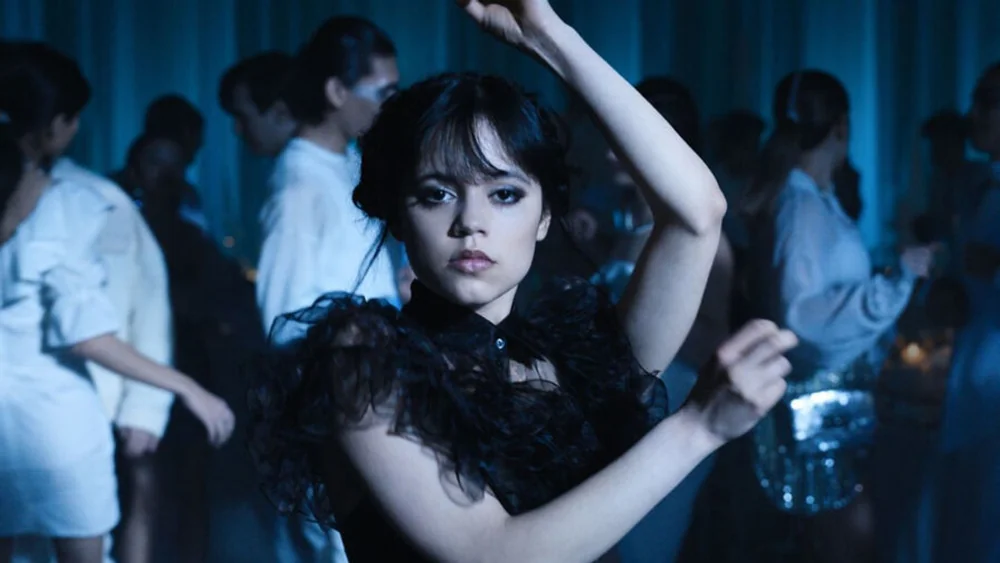
Q: How can Jenna Ortega’s fashion choices help shape a strong brand identity?
Focus on the feeling her looks give off — edgy, minimal, or romantic — then define 3 brand rules you will not break. Use those rules to decide which accessories fit and which you skip, so you do not chase every trend. Share your “why” in captions so customers connect with your point of view.
Q: How can small fashion businesses keep up with rapidly changing celebrity trends without feeling overwhelmed?
You do not need to keep up with everything, just the few trends that match your customer and your materials. Set one weekly research window, pick one micro-detail to test, and ignore the rest. Use preorder or small-batch drops so you learn demand without overbuying.
Turn Celebrity Style Cues Into Consistent Small Business Sales
It’s easy to feel stuck between wanting the buzz of celebrity style and worrying your business will look copycat or scattered. The steadier path is simpler than it sounds: treat star looks as a signal, filter them through your own brand, and stay consistent across what you sell and how you show up online.
Do that, and celebrity-inspired growth starts to look less like chasing and more like a repeatable rhythm that builds trust and sales. Borrow the inspiration, keep the identity, and track the results.

Choose one star and one trend today. Set up a small, trackable launch this week and note what moves. That’s how a fashion passion becomes a business — one well-filtered trend at a time.

Laoutaris Recommends